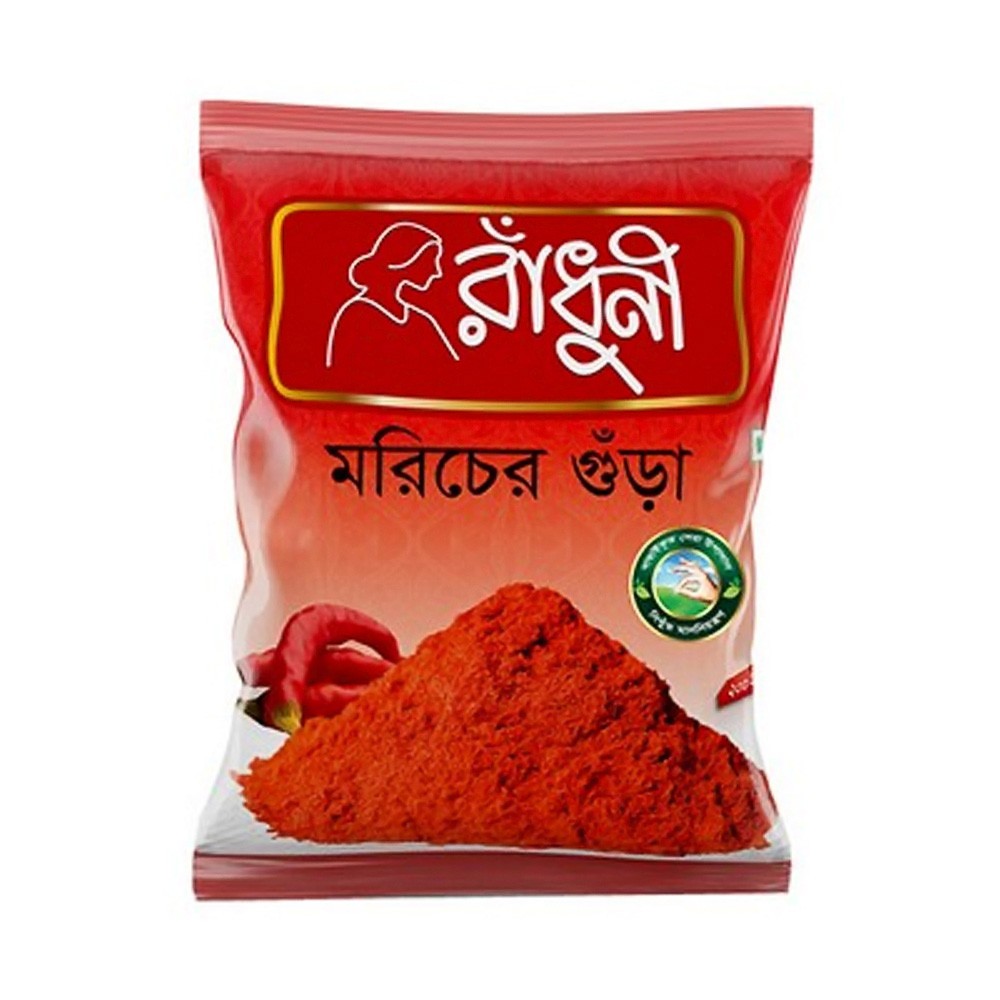

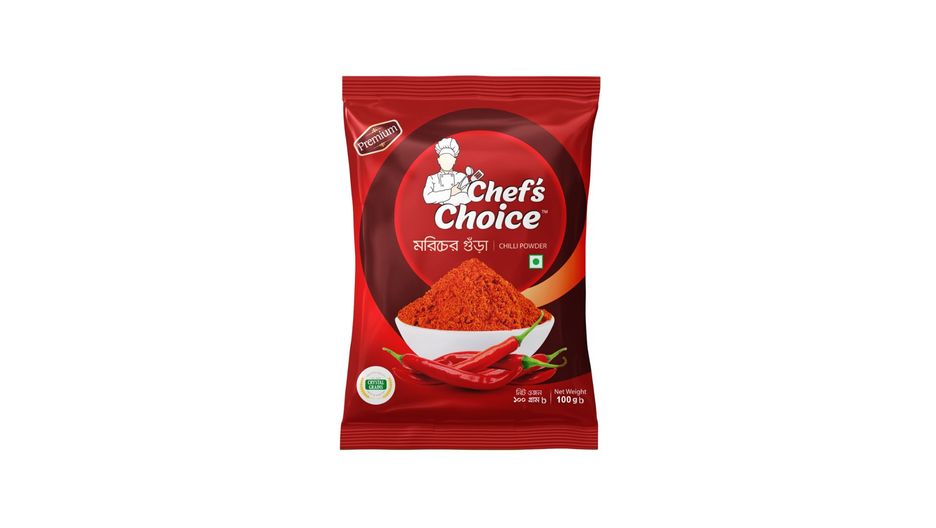
Chefs Choice Chilli powder 100gm
Chefs Choice chilli powder, 100gm — the size to start with if you're trying the brand.
Choose quantity
Similar type of products
Description :
Ninety taka is the cheapest way into this brand, and given what the listing tells you about the product — which is nothing — that's a more sensible place to start than it might seem.
The size to start with:
Chefs Choice chilli powder costs noticeably more per kilo than the better-known alternatives on the same shelf. Whether it's worth the difference depends on things no product page currently explains: the variety, the grind, the heat level, where it's made.
So the honest advice is to find out for ninety taka rather than four hundred.
A 100gm pack is enough to cook with properly — twenty to forty dishes — which is far more than you need to form a view. If it suits your cooking, the larger sizes are there. If it doesn't, you've spent ninety taka rather than committing to a half-kilo of something you won't finish.
How much forty teaspoons covers:
A level teaspoon of chilli powder weighs roughly 2.5 grams, so 100gm is around forty teaspoons.
At one to two teaspoons for a curry serving four, that's twenty to forty dishes — two to three months for most households, which sits comfortably inside the freshness window.
It also fits a standard spice jar or a masala dani compartment with nothing left over, which sounds trivial until you've tried to find somewhere for the remainder of a larger pack.
How chilli powders differ:
Four things vary, and none is visible through the packaging.
Heat:
Chilli varieties differ enormously in capsaicin content, so two powders can be a long way apart on the plate.
Colour:
Some chillies are grown for deep red pigment with mild heat, others for heat with little colour. A rich red gravy doesn't imply a fiery one.
Blend:
Most commercial chilli powders combine varieties so a single jar gives both colour and heat.
Grind:
A finer grind releases colour and heat faster and blends smoothly into a gravy, but scorches faster. A coarser grind releases slowly and leaves visible flecks, which suits dry preparations.
When you switch brands, taste rather than measuring out the same spoonfuls from habit. That's the most common reason a familiar dish suddenly tastes wrong — and it's particularly worth doing on a first purchase from an unfamiliar brand.
Handling it safely:
Worth knowing, because the usual instinct makes it worse.
Capsaicin — the compound that makes chilli hot — is oil-soluble, not water-soluble. So rinsing your hands under the tap after handling chilli powder doesn't remove it. It spreads it around and leaves most of it on your skin, which is why the burning turns up twenty minutes later when you rub an eye.
Wash with oil first, then soap. A little cooking oil rubbed over the hands dissolves the capsaicin, and soap then lifts the oil away. Milk or yoghurt works on the same principle. Water alone doesn't.
Don't touch your face after handling it, particularly eyes and nose, until you've washed properly. If powder does get in an eye, flush with plenty of cool water — it won't dissolve the capsaicin but it dilutes and carries it away — and milk can help. Persistent pain or vision trouble needs a doctor rather than another rinse.
Don't lean over the pack when you open it. Fine chilli powder goes airborne easily and inhaling it causes sharp coughing and sneezing. Open it at arm's length, and the same applies when tipping it into a hot pan.
What goes into chilli powder here:
Bangladesh grows several chillies and they aren't interchangeable.
Shukna morich:
The dried red chilli — is what commercial powder is made from. Dried, sorted and ground, usually blending varieties to balance colour against heat.
Kacha morich:
the green chilli, is a fresh ingredient rather than a powder one. It brings a grassy sharpness that drying removes entirely, which is why a dish wanting that note needs the fresh chilli rather than more powder.
Bombai mori:
Also called naga, is among the hottest chillies grown anywhere. It's used fresh and sparingly, and it doesn't go into everyday powder — a general-purpose chilli powder built from it would be unusable in ordinary cooking.
Dhani morich:
The small bird's eye, is similarly used fresh.
So a packaged chilli powder is a dried-red product by definition. If a recipe calls for the brightness of green chilli or the particular heat of naga, powder isn't a substitute for either.
Testing a new powder before you commit a dish:
Useful with any unfamiliar brand, and it takes a minute.
Mix a pinch into a spoonful of plain yoghurt and taste it. The dairy carries the capsaicin the way fat in a dish will, so you get a reasonable sense of the heat without the harsh, dusty taste raw powder has on its own.
Alternatively, warm a little oil, bloom a quarter-teaspoon in it for twenty seconds, and taste that on a piece of bread. Closer still to how it will behave in a curry.
Either beats discovering mid-meal that the new powder is half again as hot as the old one — which is a wasted dish rather than a wasted spoonful.
Beyond curry:
Chilli powder does more than go into gravy, and some of its best uses need very little of it.
Bhorta:
Mashed vegetables, fish or dal with mustard oil, onion and chilli powder. The powder goes in raw rather than cooked here, so the heat is sharper and more direct than in a curry.
Achar:
Chilli powder is a core component of most pickles, where it works alongside the oil and salt as much for preservation as for flavour.
Marinades:
Rubbed into fish or chicken with turmeric and salt before frying, it colours the surface and seasons the flesh in a way that adding it to the pan later doesn't.
Chilli salt for fruit:
Chilli powder mixed with salt, served with green mango, pineapple or guava. The proportion is roughly one part chilli to three parts salt, adjusted to taste — and it turns sour fruit into something considerably more interesting.
Rubs for grilling:
Mixed with salt, turmeric and a little oil into a paste, then rubbed into meat or fish before it goes on heat.
How much to use:
For a curry serving four: one to two teaspoons for a mild dish, two to three for a properly spiced one. Bangladeshi cooking generally sits at the higher end.
Add it gradually, and taste after it has cooked rather than before. Raw chilli powder is harsh and dusty, and changes considerably once it's been through oil and heat.
When to add chilli in cooking:
Early, in the oil with the onions and other spices, the powder releases its colour and its deeper, rounder heat into the base. This is what gives a gravy its colour.
Late, near the end, it stays sharper and sits on top rather than blending in — useful for adjusting heat without rebuilding the base.
Never on a dry, very hot pan alone. Chilli powder scorches within seconds, and burnt chilli turns acrid in a way that cannot be corrected. If the oil is smoking, take the pan off the heat first.
Why blooming spices in oil matters:
Many of the flavour and colour compounds in ground spices are fat-soluble rather than water-soluble. Heating them briefly in oil releases those compounds into the fat, which then carries them through the whole dish.
Stirring the same quantity into a watery gravy extracts considerably less — which is why a curry with the spices bloomed at the start tastes deeper than one where they went in later, with identical amounts of everything.
Twenty to thirty seconds in warm oil is enough.
Storing it:
Four things degrade ground spice: air, light, heat and moisture.
Decant into an airtight jar, glass or steel rather than the pack. Keep it dark, since light breaks down the pigments that give chilli powder its red. Keep it away from the stove — the place most people store spices and the worst for them. And never dip a wet spoon in, since moisture causes clumping and eventually mould.
At 100gm, one jar does it with nothing left over.
How long it keeps:
Roughly six months from opening for flavour, though it stays safe well beyond. Ground spice fades rather than spoiling, and you compensate by using more.
The test is smell. Fresh chilli powder smells sharp and distinctly of chilli when the jar opens. If it smells of very little, it's done.