Shark Razor
A simple, everyday razor — for a clean shave without the price of a cartridge system.
Choose quantity
Similar type of products
Description :
A razor is one of the few things people buy without really thinking about it, and then use for much longer than it should.The result is the same problem each time — irritation, little cuts, or a shave that pulls instead of cuts — and almost always the same reason.
So what is this razor for?
It's for everyday shaving, whether on the face or body, without the higher cost of a cartridge system.
Simple razors do the same basic job as expensive ones: they hold a blade at a fixed angle and let you move it over the skin.
What you give up with a simple razor is features like pivoting heads, lubricating strips, and a comfortable handle.But what you get is a razor that's cheap enough to replace before it becomes dull — and that's actually more important than most of those features.
Disposable vs. Cartridge razors
Disposable razors are complete units — they include both the handle and the blade — and are thrown away once the blade becomes dull.
They are cheaper per use and you don’t have to track or match parts.
Cartridge systems keep the handle and only replace the blade head.
These usually have better handles and often better blades, but you are stuck with one brand’s cartridges, and the refills cost more than a whole disposable razor.
The main reason people choose disposables isn't just cost.
It's that people actually replace them regularly.With cartridge systems, when refills feel expensive, people tend to use a dull blade for weeks instead of replacing it — and a dull blade is the main cause of most shaving problems.
How to shave without getting irritated:
Most shaving irritation comes from how you do it and how sharp the blade is, not from the razor itself.
Start by wetting your skin properly:
Hair absorbs water and softens a lot — spending two or three minutes with warm water makes a big difference in how easily it cuts.Shaving dry or right after wetting is harder on both your skin and the blade.
Use something between the blade and your skin:
Shaving cream, gel, or soap lather do this.Dry shaving rubs instead of glides. Shave with the direction the hair grows first.
Shaving against the grain gives a closer shave but can cause more irritation.If you want a closer shave, do a second pass in the same direction as the hair instead of going directly against it.
Don’t press too hard:
A sharp blade needs almost no pressure, and pressing causes nicks and razor burn.If you find yourself pressing, the blade is probably dull.
Rinse the blade often — every few strokes.
A blade with hair and lather stuck to it cuts poorly and drags over the skin.
After shaving, rinse with cool water and pat the skin dry instead of rubbing it. If irritation keeps happening, or you get painful or infected ingrown hairs, it's a good idea to see a doctor instead of just trying more products.
When to replace a blade
The key is how it feels, not how it looks.
A sharp blade doesn’t look different — but it cuts cleanly, not tugs.You might find yourself going over the same area more than once.
These are the signs: pulling, needing extra passes, using more pressure than before, or irritation that wasn’t there last week.
As a general guide, a disposable razor usually gives between five and ten shaves, depending on your hair’s thickness and how carefully you dry the razor.
Thick hair and a wet razor both cut this number much shorter.
Using a blade past that point is what causes most shaving problems.
It's also not smart money — the cost of buying a cheap razor is much less than a week of irritated skin.
Why blades actually get dull
This is something that surprises most people and is actually very helpful to know.
Blades get dull from water, not from hair.
The cutting edge of a razor blade is very thin, and the main thing that makes it worse is corrosion — tiny oxidation of that edge from water left on it between shaves.
Cutting hair does wear down a blade, but much more slowly than just leaving it wet. That means how you store a razor is more important than how often you use it.
A razor left blade-up in a wet shower corrodes between each use, while the same razor rinsed, shaken, and left dry lasts much longer.
Taking care of a razor:
After each shave, rinse it well with hot water, starting from the back of the head down through the blades, until there’s nothing left between them.
Dry it properly by shaking it, then put it in a dry, well-ventilated place.
Don’t leave it in the shower, on the edge of a wet sink, or in a closed cabinet while it’s still damp.
Don’t use a towel to wipe the blades.
It can harm the edge and doesn’t help anything that rinsing already does.
Don’t share your razor.
The blades can cause tiny cuts, and sharing one can lead to real infection risks — this isn’t just about being clean.
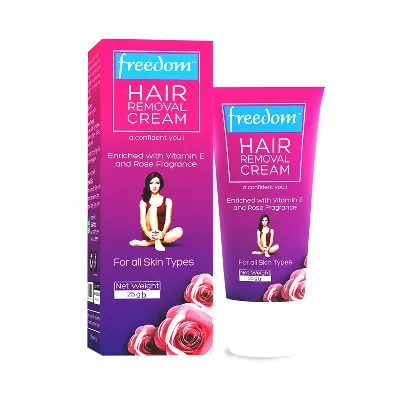
Shaving against hair removal cream
Both methods remove hair, but they work in different ways and are better for different people.
A razor cuts the hair at the skin’s surface.
It’s quick, cheap, and the effect lasts a day or two.
Depilatory cream breaks down the hair just under the skin, so hair grows back a little slower and feels less rough.
It takes longer to use, has a strong smell, and you should do a patch test before using it for the first time because reactions can happen.
For the face, a razor is best.
For bigger body areas, it depends on your preference, skin sensitivity, and how much time you’re willing to spend.
Frequently Asked Questions
Wet the skin for two or three minutes first so the hair softens, use shaving cream or soap lather, shave with the grain rather than against it, and don't press. If you're pressing, the blade is blunt.
With the grain. Against gives a closer shave and considerably more irritation. If you want closer, do a second pass across the grain rather than directly against it.
Soap lather works. The requirement is something that lets the blade glide — dry shaving drags and causes most of the irritation people blame on the razor.
Commonly from shaving against the grain, from a blunt blade, or from hair curling back into the skin as it regrows. If they become painful, infected or persistent, see a doctor rather than treating them yourself.
By feel. A blade that's ready to go tugs rather than cutting, needs extra passes over the same area, or causes irritation that wasn't there before. It won't look different.
A razor cuts at the surface — fast and cheap, lasting a day or two. Cream dissolves hair just below the surface, so regrowth feels less stubbly but it takes longer and needs a patch test first. For a face, a razor.