

Baby Diaper
Products in Baby Diaper
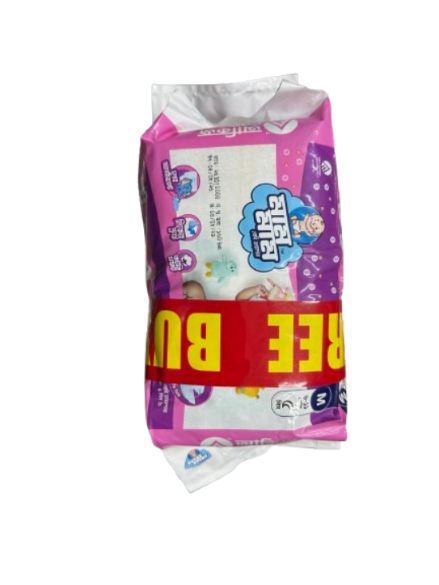
Mum Mum Baby Diaper Belt Medium 5pcs 7-12kg Buy 1 Get 1 Free
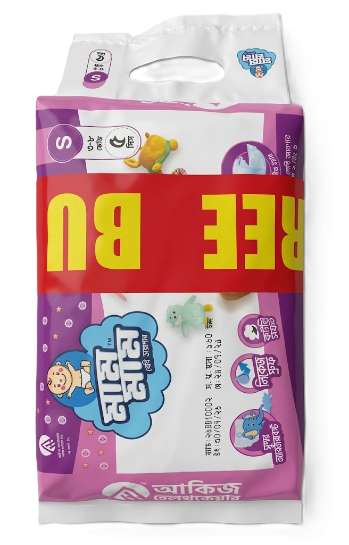
Mum Mum Baby Diaper Belt Small 5pcs 3-8kg Buy1 Get1 Free
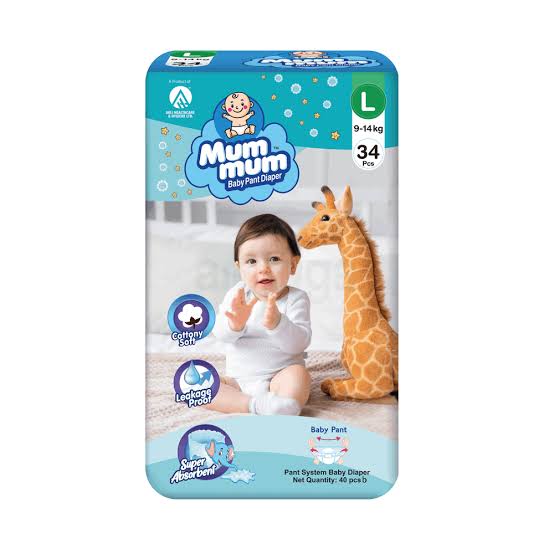
Mum Mum Baby Diaper Pant Large 34pcs 9-14kg
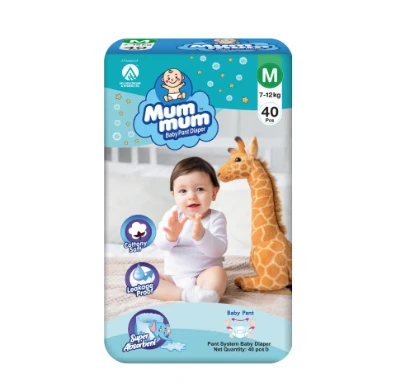
Mum Mum Baby Pant Diaper-Medium 40pcs 7-12Kg
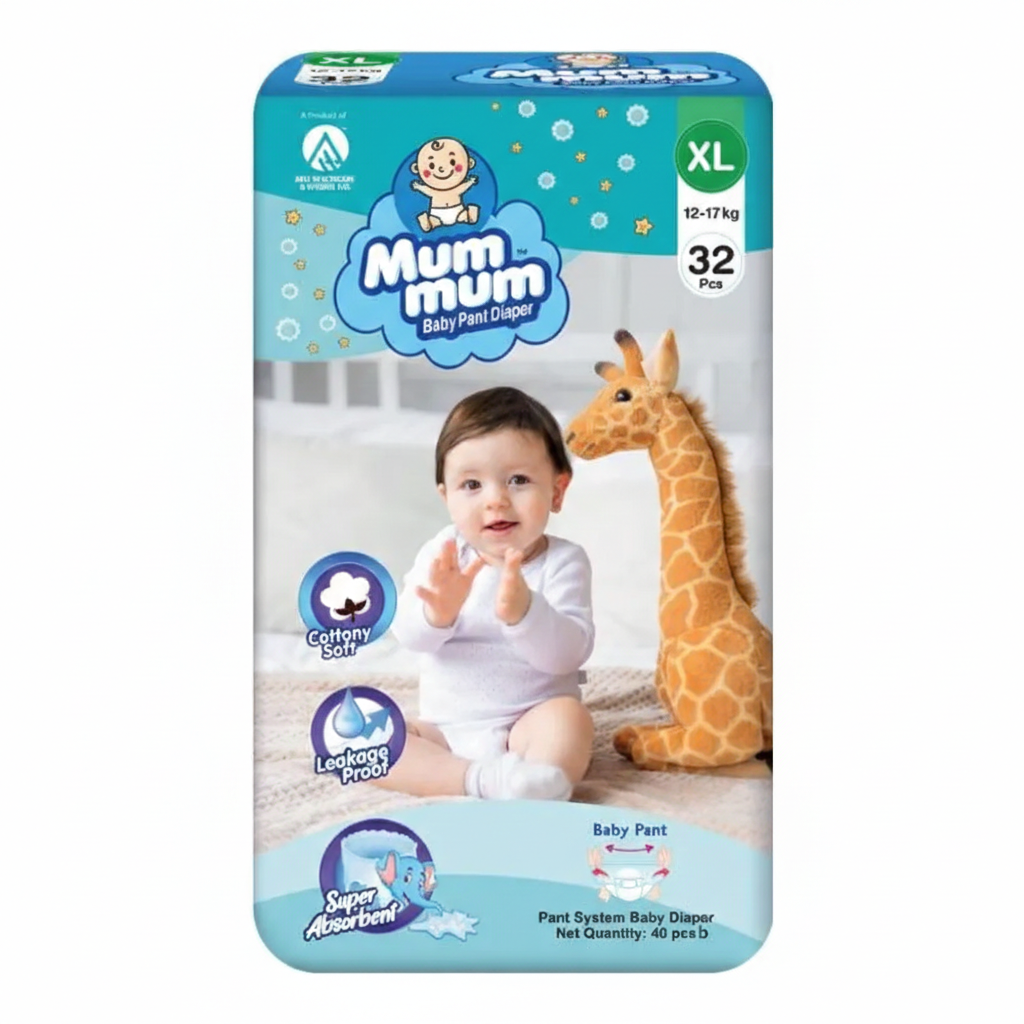
Mum Mum Baby Pant Diaper-XL 32pcs 12-17kg
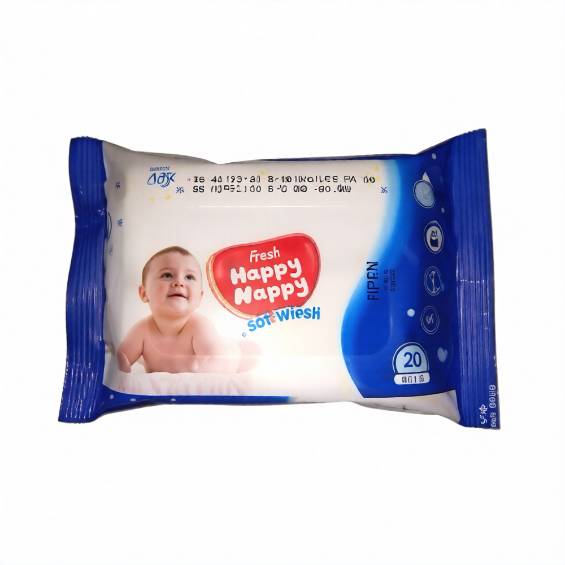
Fresh Happy Nappy Baby Wipes Pouch 20 pcs

Mum Mum Baby Diaper Velcro Type Small 44pcs 3-8kg

Mum Mum Baby Diaper Velcro Type Medium 5pcs 7-12Kg

Mum Mum Baby Diaper Velcro Type Small 5pcs 4-8Kg

Mum Mum Baby Diaper Velcro Type Medium 40pcs 7-12Kg

Mum Mum Baby Pant Diaper-XXL 24pcs 14-25kg
Mum Mum Baby Diaper Pant Small 42pcs 4-8kg
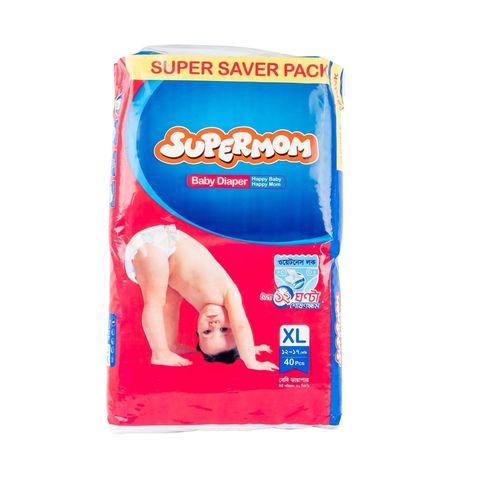
Supermom Baby Diaper Extra Large 40 pcs 12-17kg
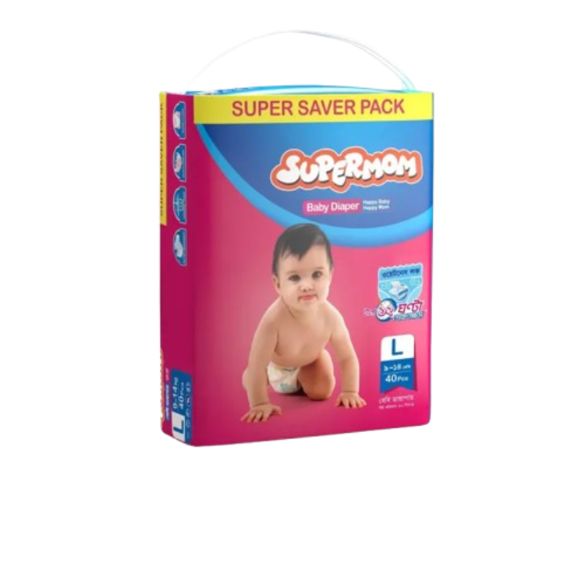
Supermom Baby Diaper Large 40pcs 9-18kg
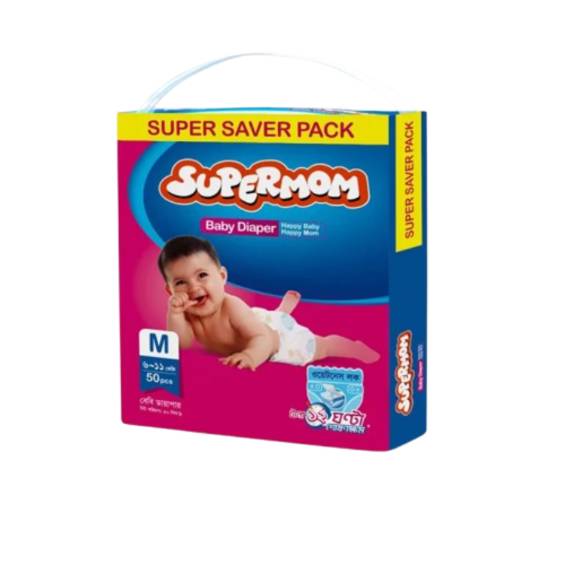
Supermom Baby Diaper Medium 50pcs 6-11kg
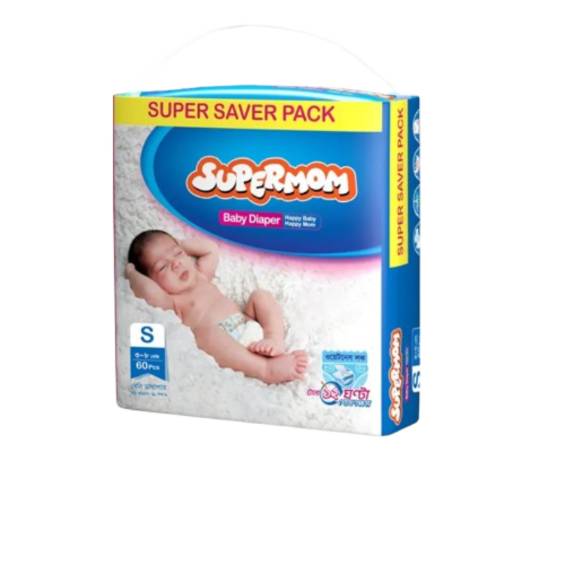
Supermom Baby Diaper Small 60pcs 3-8kg
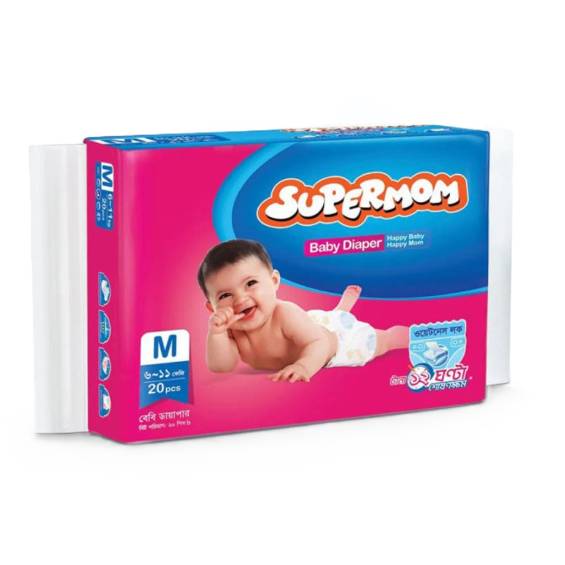
Supermom Baby Diaper Medium 20pcs 6-11kg
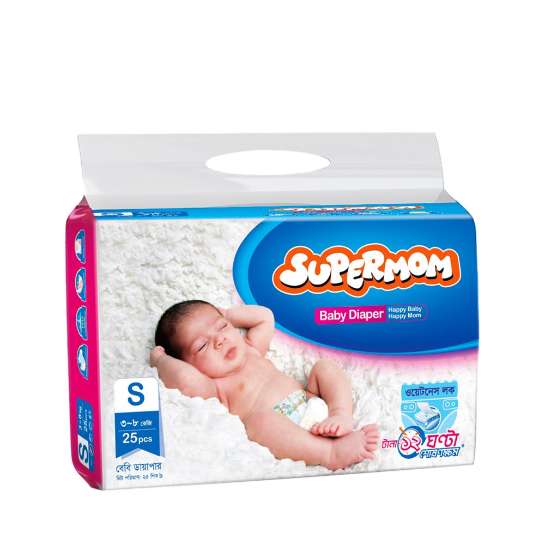
Supermom Baby Diaper Small 25pcs 3-8kg
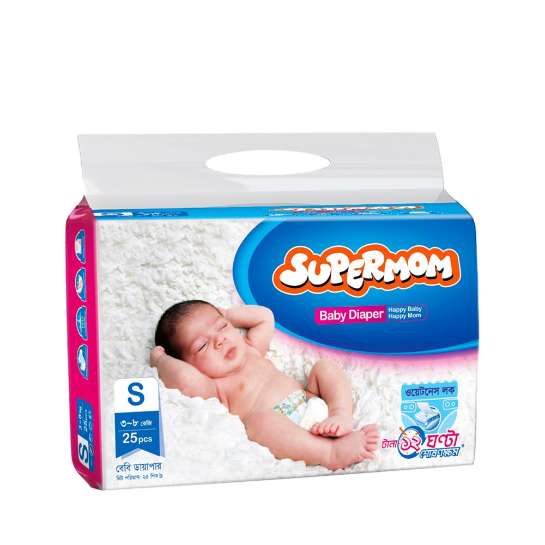
Supermom Baby Diaper Extra Large 4pcs 12-17kg
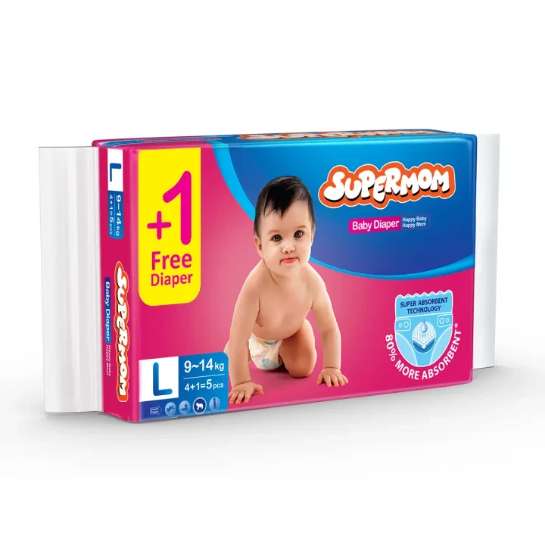
Supermom Baby Diaper Large 5pcs 9-14kg
Description :
Nappies are the one thing parents keep buying over and over again, but they often don’t feel completely sure about choosing the right size. The size that worked last month might leak this month, and a pack that fit fine might rub against the skin. The only real guide — the weight range on the pack — is often ignored by most people. It’s worth paying attention to it.
Size by weight, not by age
Every nappy pack lists a weight range, and that’s the number you should look at to choose the right size.
Babies of the same age can vary a lot in size, and guessing by age is the most common reason a nappy leaks.
A nine-month-old, for example, can be in two or even three different sizes depending on how they build.
Weigh your baby, then check the weight range.
It takes just a moment and takes all the guesswork out of choosing the right nappy.
What the sizes actually mean
Here’s what the weight ranges look like for the nappies we carry:
Small or Newborn — from around 3kg, for the first few weeks and months.
Medium — from about 6-7kg, which most babies reach somewhere in their first year.
Large — from around 9kg, usually when a baby starts crawling or standing.
Extra Large and above — from around 12kg, as babies move into toddlerhood and start potty training.
These ranges overlap on purpose, which is why there’s usually not one clear answer for a given weight.
If your baby is between two sizes, the bigger one is usually the better choice — it holds more and leaks less.A slightly smaller nappy might pinch the thighs and leak from the legs.
Belt, pant, and velcro — which type and when
There are three main types of nappy fastenings, and each works best at different stages, not just as simple choices.
Belt and velcro nappies fasten at the sides with tabs.
They are easier to adjust, easier to check without undressing the baby, and are best for newborns and younger babies who are changed while lying down.Velcro tabs can be refastened again and again, which is helpful when you’re just checking the nappy, not changing it.
Pant nappies are pulled on like underwear.
They become really useful when a baby starts crawling, standing, or suddenly refusing to be changed — which often happens earlier than many parents expect.They are also a natural step toward potty training because a toddler can easily pull them up and down.
Most families start with belt or velcro nappies and switch to pants once the baby starts moving more.
There’s no fixed age for this change — it depends on the baby’s mobility.
How to tell the size is wrong
There are four clear signs that a nappy is the wrong size, and all of them can be missed if you’re not looking for them.
Red marks around the waist or thighs after a change mean it’s too small.
This is the most obvious sign and is often mistaken for something normal.
Leaking from the legs usually means the nappy is too small, not too absorbent — the leg cuffs aren’t sealing because the nappy is stretched.
Leaking from the back usually means the nappy wasn’t pulled high enough around the waist, which is a fitting issue, not a sizing issue.
If the waist of the nappy is gaping or it slides down, it means it’s too big.
Night nappies:
A night nappy has to last for eight or more hours, which is a different job than changing a baby every two or three hours.
Choosing a bigger size for nighttime use is common and smart, even if the daytime size still fits.
The extra capacity helps more than any adjustments you can make.
Fit is still important at night too — pull the waist high and check that the leg cuffs are sitting outside, not tucked in, which is usually the cause of a leak in a nappy that’s the right size.
How many you’ll use each day:
Newborns go through about eight to twelve nappies a day, which drops to five or six by the time a child starts walking.
That’s useful to know when choosing how many nappies to buy.
A small pack might last a few days for a newborn, but a large pack could last a few weeks.A common mistake is buying a large pack of a size your baby is about to outgrow — if they are near the top of a weight range, it’s safer to get a smaller pack of the current size and a larger pack of the next size.
To prevent nappy rash, change the nappy often, clean the skin gently, and make sure it's completely dry.
Most nappy rash happens because the skin stays in contact with wetness for too long, not because of a specific product.
So how often you change the nappy is more important than what cleanser you use.
Let the skin dry in the air for a little while before putting on a new nappy.
Don’t put the nappy on while the skin is still wet.
Using a barrier cream can help if a rash is beginning.
It creates a protective layer between the skin and any wetness.
If the rash is bad, spreading, has blisters, or doesn’t get better after a few days of careful changing, see a doctor.
Some rashes are caused by fungi or bacteria and need special treatment, not just more cream.
Frequently Asked Questions:
How do I know which size to buy?
Go by your baby's weight and match it to the range on the pack, not by their age. Babies of the same age vary enormously, and age-based guessing is the commonest cause of leaks.
My baby is between two sizes. Which should I choose?
The larger one, generally. A slightly large nappy holds more and leaks less; a slightly small one pinches and leaks at the legs. The weight bands overlap for exactly this reason.
How do I know the size is wrong?
Red marks at the waist or thighs after a change mean too small. Leaking at the legs usually means too small. Gaping at the waist or sliding down means too large.
Why does the nappy leak at the back rather than the legs?
That's usually a fitting issue rather than sizing — the nappy wasn't pulled high enough at the waist.
What's the difference between belt, velcro and pant nappies?
Belt and velcro types fasten at the sides with tabs — easier to adjust and to check, and better for newborns changed lying down. Pants pull on like underwear and suit babies who are crawling, standing or resisting changes.
When should I switch from belt to pant nappies?
When your baby starts moving properly rather than at a particular age. Pants are considerably easier on a child who won't stay still, and they're the natural step towards potty training.
Can I use pant nappies for a newborn?
They're generally not the easiest choice. A newborn is changed lying down and frequently, and tabs let you adjust and check without undressing them.
What does velcro type mean?
Tabs that refasten repeatedly, so you can open and close the nappy to check it without wasting it. Useful in the early months when you're checking often.
Should I buy a large pack or a small one?
Depends where your baby sits in the weight band. Near the top of a band, a smaller pack is safer — a large pack of a size they're about to outgrow is the common mistake.
Do I need a different nappy for night?
Not necessarily a different product, but a night nappy needs to hold eight or more hours. Many parents size up for overnight only, even when the daytime size fits properly.
Why does my baby leak overnight?
Usually capacity rather than a faulty nappy. Sizing up for night, pulling the waist high, and checking the leg cuffs sit outside rather than tucked in solves most overnight leaks.