

Beverage
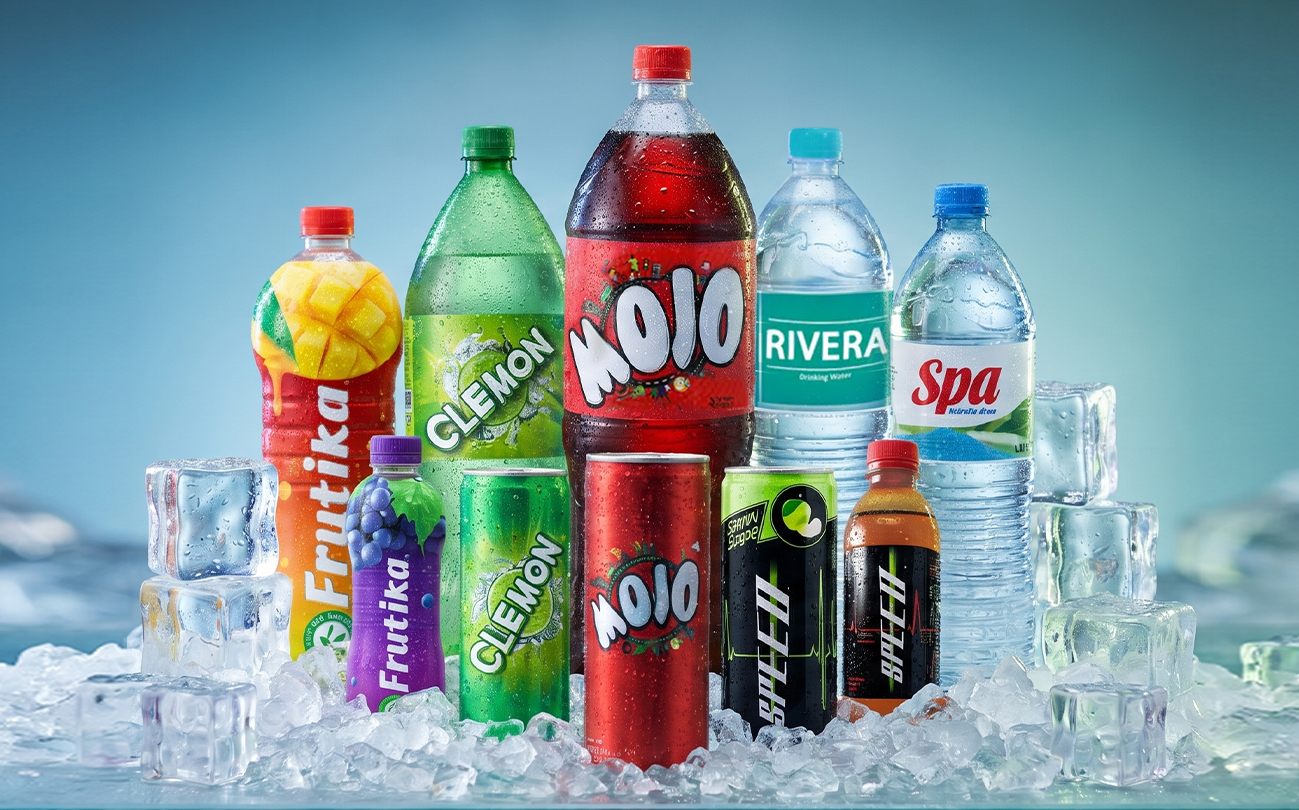
Products in Beverage
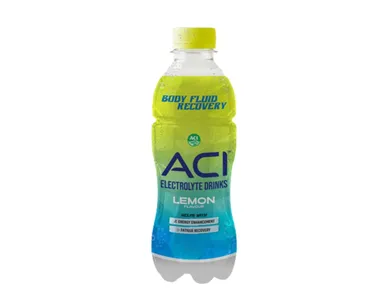
ACI Electrolyte Drinks Lemon 250ml
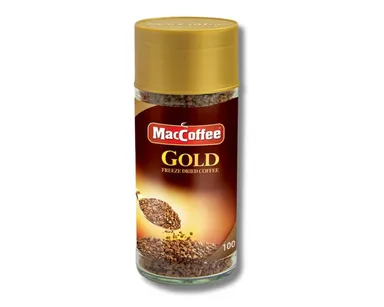
MacCoffee Gold 90gm
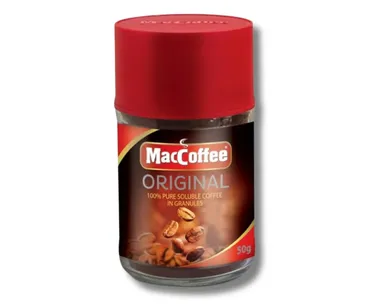
MacCoffee Original 45gm
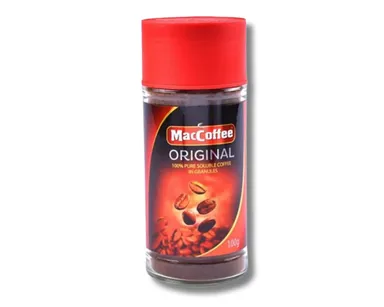
MacCoffee Original 90gm
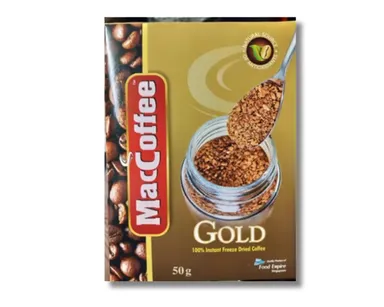
MacCoffee Gold 45gm
.jpg)
Sunquick Berry Mix-Fruit Drink 1000 ML
_(1)_(1).jpg)
Sunquick Berry Mix-Fruit Drink 250 ML
.jpg)
Sunquick Orang-Squash Concentrate 300 ML
.jpg)
Sunquick Mango-Squash Concentrate 300 ML
.jpg)
Sunquick Lemon Squash Concentrate 300 ML
_(1).jpg)
Sunquick Orang-Squash Concentrate 700 ML
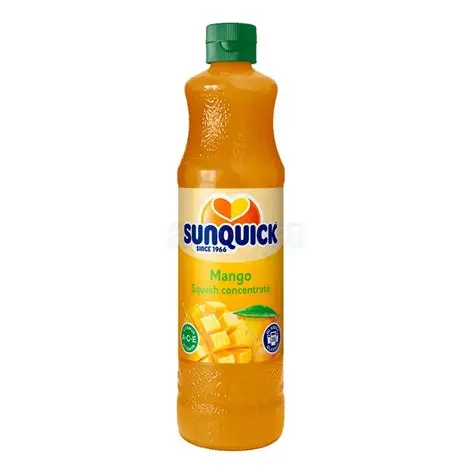
Sunquick Mango-Squash Concentrate 700 ML
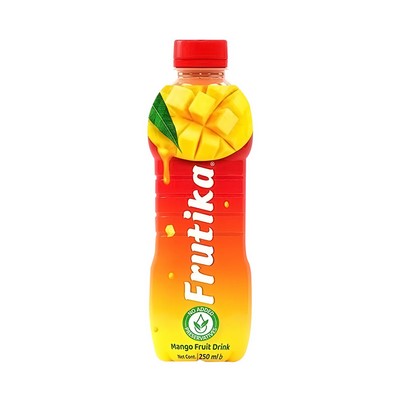
Frutika -250ml
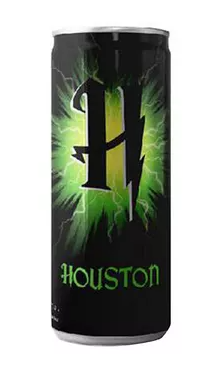
Houston Can 250ml
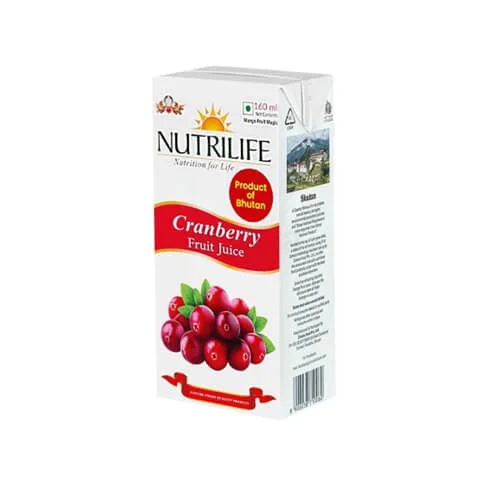
Nutrilife Cranberry Juice 160ml
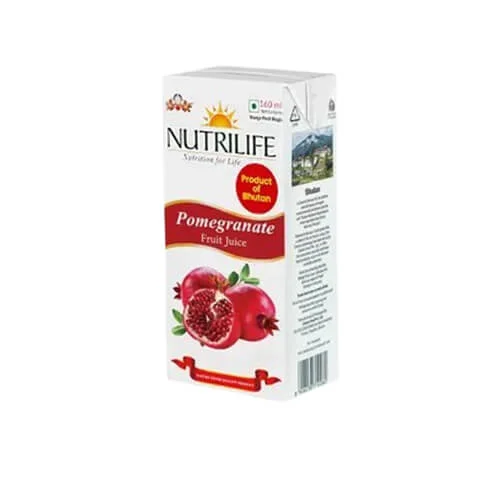
Nutrilife Pomegranate Juice 160ml
_(1)_(1).jpg)
Nutrilife Mango Juice 160ml
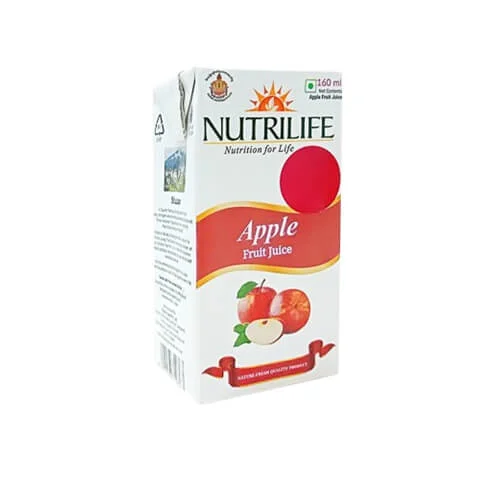
Nutrilife Apple Juice 160ml
_(1).jpg)
Nutrilife Orange Juice 160ml
.jpg)
Nutrilife Cranberry Juice 1000ml
Description :
What the range covers
The beverage range divides into five broad groups: carbonated soft drinks, fruit drinks and juices, squash concentrates, instant drink powders, and coffee. Between them they cover the everyday bottle in the fridge, the carton in a lunchbox, and the jug made up when people come over.
Most of the range comes from Akij Food & Beverage — Mojo, Clemon and Frutika — alongside national and imported names including Sunquick, Nutrilife and MacCoffee.
Carbonated soft drinks
Mojo is Bangladesh's own cola: dark, sharp and heavily carbonated. Clemon sits alongside it as the lemon alternative, built on acidity rather than sweetness. Both run from a 250ml single serve up to a two-litre family bottle, in cans and PET, with sugar-free versions in each.
Clemon also comes in a mojito variant — lime and mint rather than straight lemon — for anyone who finds plain lemon too sharp.
Fruit drinks and juices
Frutika covers mango in five sizes, from a 125ml carton to a litre bottle, plus red grape in two. Nutrilife adds single-serve juices in apple, orange, mango, pomegranate and cranberry.
Worth understanding the labelling here, because it affects what you're buying. A product sold as a juice is typically 100% fruit; one sold as a drink contains fruit content along with water and sugar, with the percentage declared on the pack. Both have their place — but the word on the label tells you which is which.
Concentrates and powders
Sunquick squash concentrates come in orange, mango and lemon, in 300ml and 700ml bottles. A single bottle makes several litres once diluted, which makes it comfortably the cheapest way to serve a crowd.
Concentrates also store at room temperature until opened, so they suit households buying ahead. Instant drink powders work on the same principle — mix a jug at a time, keep the rest dry.
Coffee and everyday extras
MacCoffee covers instant coffee in Original and Gold, in 45gm and 90gm jars. Electrolyte drinks round out the range for rehydration rather than refreshment, which matters more here through the hot months than most people plan for.
The price-per-litre gap is far wider than it looks
This is the single most useful thing to understand before filling a cart, because the spread across formats is much larger than the shelf prices suggest.
Taking Mojo as the example, the same cola costs:
- Around BDT 60 a litre in the 2-litre bottle
- Around BDT 64 a litre in the 1-litre
- Around BDT 80 a litre in both the 500ml and 250ml PET bottles
- Around BDT 160 a litre in the 250ml can
Around BDT 180 to 200 a litre in the 300ml can
In other words, the same drink costs more than three times as much per litre in a small can as in a family bottle. Clemon follows an almost identical curve.
The fruit drinks show the same pattern in gentler form. Frutika Mango runs from roughly BDT 120 a litre in the 125ml carton down to BDT 80 a litre in the litre bottle — a 33% difference between the smallest and largest pack.
That said, none of this means the small formats are bad value. They're priced for portability and for a single cold serving, and a can that gets drunk is better value than a two-litre bottle that goes flat. The point is simply to buy the format that matches the occasion rather than assuming the shelf price tells the whole story.
One quirk worth knowing: the 500ml and 250ml PET bottles work out at the same price per litre, so there's no penalty for buying the smaller one. Pick whichever you'll actually finish.
Matching the drink to the food
Colas and citrus drinks do different jobs at the table, and the difference is more pronounced with the food eaten here than in most markets.
Cola brings caramel depth and a rounder sweetness, which suits burgers, barbecue and anything smoky — sweetness against char is the point.
Citrus brings acidity instead. That acidity cuts through oil and resets the palate between mouthfuls, which is why lemon drinks work better alongside biryani, fried chicken, kebabs, singara and anything heavy on chilli. Cola's sweetness, by contrast, tends to sit on top of chilli heat rather than relieving it.
For a table of more than a few people, one of each therefore beats two bottles of the same thing. Preference splits fairly evenly across most groups.
Sugar and the sugar-free options
Zero-sugar versions are available across several brands at BDT 50 for 250ml, against BDT 20 for the sugared equivalent. The premium is standard across the category rather than specific to any one product — sweeteners cost more per unit of sweetness than sugar, and the variants sell in far smaller volumes.
There's a difference in how well the swap works, though. Citrus handles sugar removal considerably better than cola does, because a lemon drink is carried by its acidity, which sweetener substitution doesn't change. Cola relies on sugar for body as well as sweetness, so removing it alters more of what you taste.
As a result, anyone moving away from sugared soft drinks generally finds a zero-sugar lemon drink the easier first switch.
For actual figures, read the pack. As a reference point, a 250ml can of regular Clemon carries roughly 26.5g of sugar and 105 kcal — which works out at about 10.6g per 100ml, the standard concentration across regular soft drinks.
Chilling times, and why they matter
Nothing ships chilled. Everything arrives at ambient temperature, so plan for the fridge.
Cans chill fastest because aluminium conducts heat far better than plastic — roughly fifteen minutes in salted ice water, or twenty in the freezer. A 500ml bottle takes appreciably longer. A two-litre bottle needs three to four hours in a fridge, and there's no genuine shortcut; even ice water takes the better part of an hour.
This matters more than it sounds, because a warm carbonated drink tastes flatter and sweeter than the same drink cold. Zero-sugar versions suffer most, since there's no sweetness to soften the acidity.
Keeping an open bottle drinkable
Carbonated drinks lose fizz rather than spoiling. Squeeze the air out of the bottle before capping so the liquid rises into the neck, cap it tightly, keep it cold and store it upright. Treated that way, a large bottle stays sharp for two or three days.
Fruit drinks behave differently — they spoil rather than going flat. Refrigerate after opening, finish within two to three days, and pour into a glass rather than drinking from the bottle, which is what shortens the life most.
Buying for a gathering
Two litres is roughly eight glasses of 250ml, and most people drink two across a full meal. One bottle therefore covers about four people; six to eight guests needs two, and ten to twelve needs three. Add more if you're serving over ice, or if the food is spicy — people drink noticeably more alongside heat.
Citrus drinks stretch further than colas at a party, since a litre poured over ice with lime and mint makes a jug that serves eight or nine. Concentrates stretch furthest of all.
Frequently Asked Questions:
Question: Which drink size is the best value?
Answer: The 2-litre bottles, at roughly BDT 60 a litre. The 1-litre follows at around BDT 64. Cans run BDT 160 or more per litre — you're paying for the format rather than the drink.
Question: Is the 500ml bottle cheaper per litre than the 250ml?
Answer: No, they work out the same. So there's no value reason to size up between those two — buy whichever you'll finish.
Question: Why do cans cost so much more than bottles?
Answer: Aluminium is more expensive to produce and ship than PET, and cans carry a convenience premium: they chill far faster and need no cap. That's worth paying for one cold drink now, less so for stocking a fridge.
Question: Should I buy cola or a citrus drink?
Answer: Depends on the food. Cola suits burgers, barbecue and smoky dishes. Citrus cuts through oil and spice, so it works better with biryani, fried snacks and anything chilli-heavy. For a group, buy both.
Question: What's the difference between a juice and a fruit drink?
Answer: On labelling convention, a juice is typically 100% fruit while a drink contains fruit content with water and sugar, with the percentage declared on the pack.
Question: Are squash concentrates better value than ready-to-drink?
Answer: Considerably, per glass — one bottle makes several litres. The trade-off is that you mix it yourself, which matters less when you're serving several people. They also store at room temperature until opened.
Question: Which sugar-free drink should I try first?
Answer: A citrus one. Lemon drinks are carried by acidity, which sweetener substitution doesn't change, so they taste closer to the sugared original than a zero-sugar cola does.
Question: Do you stock drinks for children's lunchboxes?
Answer: Single-serve fruit drinks start at 125ml, which suits a small child's portion better than a 250ml pack. Sugar figures are on the label and worth reading if it's a daily rather than occasional purchase.
Question: What's the fastest way to chill a drink?
Answer: Ice water with a spoon of salt stirred in, which beats the freezer because the water contacts the whole surface. Never leave a can in the freezer unattended — sealed cans split as the liquid expands.
Question: How much should I buy for a party?
Answer: Two litres is about eight 250ml glasses, and most people drink two over a meal — so one bottle per four people. Six to eight guests needs two bottles, ten to twelve needs three. Add more for spicy food or if you're serving over ice.
Question: Can I order by the case?
Answer: Yes. Set a higher quantity at checkout, or message support on WhatsApp (01805552413) for case rates on party, office and event orders.
Question: Do you deliver across Bangladesh?
Answer: Metromart delivers widely, with coverage and timing varying by area. Set your delivery location before shopping to see what's available where you are.
Question: Are online prices the same as in the outlets?
Answer: Prices and promotions can differ between online and in-store. The price shown at checkout applies to your order.
Question: What if a bottle arrives damaged or leaking?
Answer: Check the order while the delivery rider is there and contact support on WhatsApp (01805552413) or Messenger straight away with a photo — a leaking bottle can affect the rest of a delivery.