

Chocolate & Candy
Products in Chocolate & Candy

LOVE IN COLORS YELLOW POUCH (PINEAPPLE FLAVOR) 24Pcs
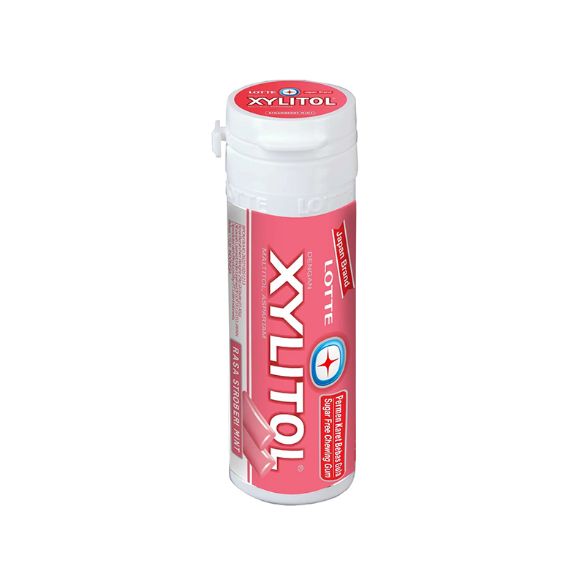
Lotte Xylitol Strawberry Mint 26.1gm
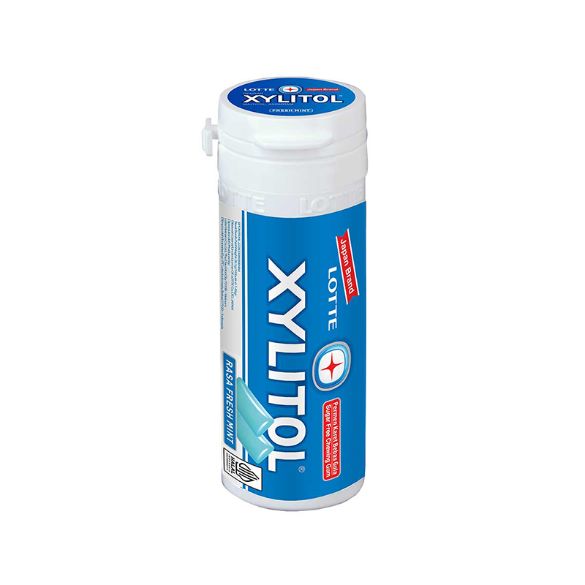
Lotte Xylitol Fresh Mint 26.1gm
Lotte Xylitol Blueberry Mint 26.1gm
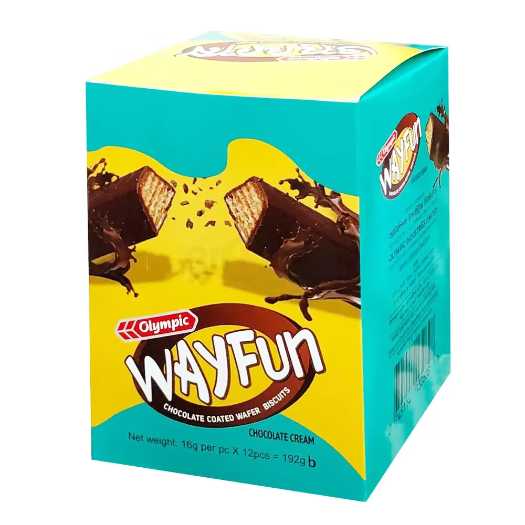
Olympic Wayfun Chocolate Coated Wafer Milk Cream 16gm
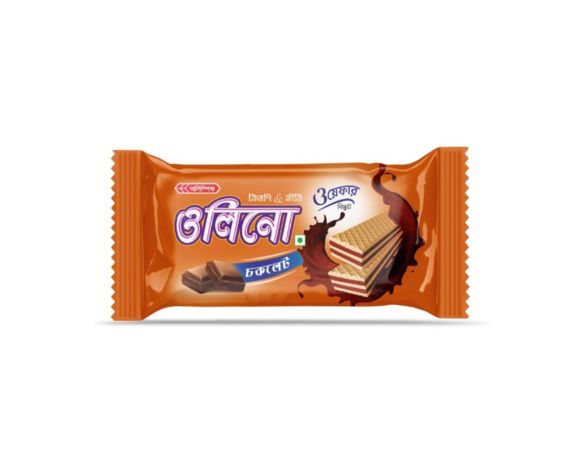
Olympic Olino Chocolate Wafer 15gm

Elano Tempt Milk Chocolate Bar 55gm

Elano Tempt Milk Chocolate Bar 110gm

Togo Bitter Stick Chocolate 18gm (Buy 3 Get 1 Free)

Togo Sima Double Chocolate 22gm–Buy 3 Get 1 Free

Togo Cosmilk Chocolate 42gm–Buy 2 and Get BDT 41 Off

Togo Milky Chocolate 40gm – Buy 2 and Get BDT 41 Off

Togo Cookie Chocolate 40gm– Buy 2 and Get BDT 41 Off

Sweeto Marshmallow flora 60gm – Buy 2 Get 1 Sweeto marshmallow 30gm Free

Sweeto Marshmallow heart 30gm – Buy 2 Get 1(sweeto marshmallow strawberry 30 gm) Free

Sweeto Marshmallow strawberry 30gm – Buy 2 Get 1 Free
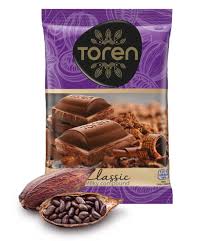
Toren Classic Chocolate Purple 90gm
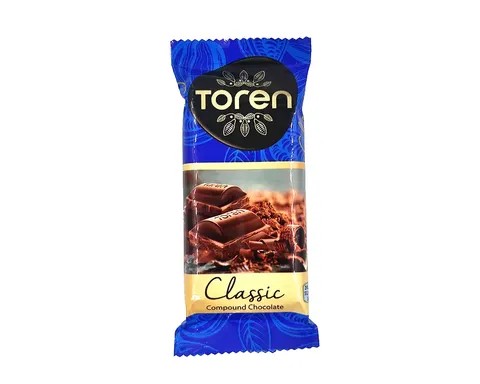
Toren Classic Chocolate Blue 50gm

Hi5 Fondalo Chocolate Bar 400gm

Toi moi chocolate Cream wafer 10 gm
Description :
Chocolate is bought on impulse and regretted only when it arrives soft. That second part matters more here than in most markets, and it's worth understanding before you order — because most of what people think is spoiled chocolate isn't.
What's in the range
Chocolate bars in milk, dark and filled varieties, chocolate-coated wafers, marshmallows, mints and chewing gum. Brands include Togo, Hi5, Elano, Olympic, Sweeto, Lotte and Coco Coz, across single-bar sizes up to 400gm sharing bars.
Why chocolate turns white or streaky — and why it's fine
This is the thing worth knowing in this climate.
Chocolate that's been warm and then cooled often develops a pale film or greyish streaks on the surface. It looks like mould. It isn't. It's called chocolate bloom, and there are two kinds.
Fat bloom:
Happens when cocoa butter warms, separates and recrystallises on the surface. It's the streaky, matte look, and it's by far the more common here.
Sugar bloom
Happens when moisture reaches the surface — from condensation, usually after moving chocolate straight from a fridge into a warm room — dissolves some sugar, then evaporates and leaves crystals behind. That produces a grainier, sandy texture.
Neither is harmful and neither means the chocolate has gone off. What they do affect is texture and snap: bloomed chocolate is softer and less crisp than it should be, and the flavour is slightly muted.
If it bothers you, bloomed chocolate is perfectly good melted into a cake, a drink or a dessert — the bloom disappears entirely once it's remelted.
How to store chocolate in Bangladesh
Cool, dry and sealed, at a steady temperature. That last part matters more than the number on the thermometer, because it's the swings between warm and cool that cause bloom rather than warmth alone.
Avoid the fridge:
It's the instinctive move in this heat, but a fridge is humid, chocolate absorbs odours readily, and taking it in and out causes condensation — which is precisely what produces sugar bloom.
Seal tightly:
Seal it in an airtight container first, and let it come back to room temperature inside the container before opening. That stops moisture condensing on the surface.
Away from scent:
Keep it away from anything strongly scented. Chocolate picks up smells from a fridge or cupboard more readily than most foods.
Milk, dark and filled — what to expect
Milk chocolate is sweeter and softer, and it melts at a lower temperature. It's the one most affected by heat, and the one most likely to arrive soft in warm months.
Dark chocolate holds up better. Less milk solid, less sugar, a higher melting point, and a longer shelf life.
Filled and spread chocolates are the least heat-tolerant of the three, since the filling softens before the shell does.
Marshmallows and soft sweets
Marshmallows are sugar and air, which makes them humidity-sensitive rather than heat-sensitive. Left open in a damp room they go sticky and fuse into a block within a day or two.
Keep the bag sealed, and if they've already softened, a few hours in a sealed container with the air pressed out usually firms them up enough to separate.
Mints and chewing gum
Sugar-free gums sweetened with xylitol have a well-established place in dental care — they're commonly recommended after meals where brushing isn't possible, and the mechanism is straightforward: chewing stimulates saliva flow, which helps clear the mouth.
One practical caution worth knowing: xylitol is toxic to dogs, even in small amounts. If you have a dog in the house, keep xylitol gum well out of reach rather than in a bag or on a low table.
Buying chocolate as a gift
Two things to check. Buy chocolate dark rather than milk if it's travelling any distance in the heat — it's considerably more resilient. And check the date, since chocolate has a long shelf life but filled and wafer products have shorter ones than solid bars.
For anything being given rather than eaten immediately, the larger sharing bars present better than several small ones, and usually cost less per gram.
Buying for children
Small single-serve wafers and bars start at BDT 5 to 10 in this range, which makes them a practical option for a lunchbox or a small reward rather than a full bar.
As with any sweet, whether it's an everyday or occasional purchase is a decision for parents. What's worth noting is that the small sizes exist precisely so the answer doesn't have to be a whole bar.
Frequently Asked Questions:
Question: Why has my chocolate turned white or grey?
That's bloom, not mould. Either cocoa butter that separated and recrystallised on the surface after warming, or sugar crystals left behind when moisture evaporated. Neither is harmful — it affects texture and snap rather than safety.
Question: Is bloomed chocolate still safe to eat?
Yes. It's softer and less crisp than it should be, and the flavour is slightly muted, but it's perfectly safe. If the texture bothers you, melt it into a cake, a drink or a dessert — bloom disappears entirely on remelting.
Question: Should I keep chocolate in the fridge?
Preferably not. A fridge is humid, chocolate absorbs odours, and moving it in and out causes condensation, which is what produces sugar bloom. If you do refrigerate it, seal it in an airtight container and let it return to room temperature inside the container before opening.
Question: What's the best way to store chocolate in hot weather?
Cool, dry, sealed, and at a steady temperature. Temperature swings cause more damage than steady warmth, so a consistently cool cupboard beats a fridge you keep opening.
Question: Which chocolate handles heat best?
Dark chocolate, comfortably — less milk solid and sugar, and a higher melting point. Milk chocolate is the most heat-sensitive, and filled or spread chocolates least tolerant of all, since the filling softens before the shell.
Question: My marshmallows have gone sticky and stuck together. Can I fix them?
Usually. Marshmallows absorb humidity rather than suffering from heat. Seal them in an airtight container with the air pressed out for a few hours and they'll generally firm up enough to separate.
Question: How long does chocolate keep?
Go by the date on the pack. Solid bars keep considerably longer than filled or wafer products, where the filling and the wafer both have shorter lives than the chocolate around them.
Question: Is sugar-free gum better for teeth?
Sugar-free gums, particularly those sweetened with xylitol, are commonly recommended after meals when brushing isn't possible — chewing stimulates saliva, which helps clear the mouth. It isn't a substitute for brushing. For anything specific to your teeth, ask a dentist.
Question: Is xylitol safe around pets?
No — xylitol is toxic to dogs, even in small quantities. Keep xylitol gum and mints well out of reach if you have a dog, and don't leave packets in a bag on the floor or on a low table.
Question: What's the difference between milk and dark chocolate?
Milk chocolate contains milk solids and more sugar, making it sweeter and softer. Dark has a higher cocoa content, less sugar, a firmer snap and a longer shelf life. Dark also travels better in heat.