

Baby Items & Care
Products in Baby Items & Care
.jpg)
Algrano Rolled Baby Oats Can 400gm
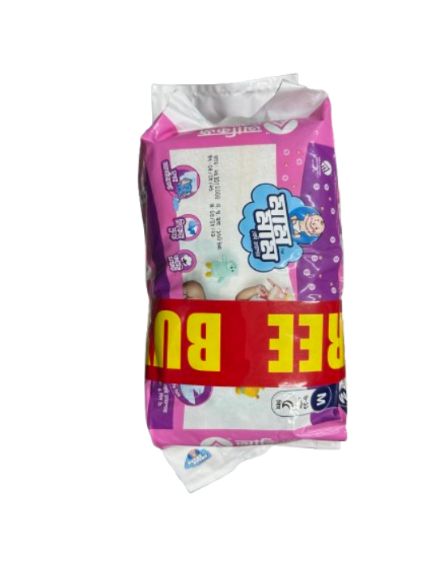
Mum Mum Baby Diaper Belt Medium 5pcs 3-8kg Buy1 Get1 Free
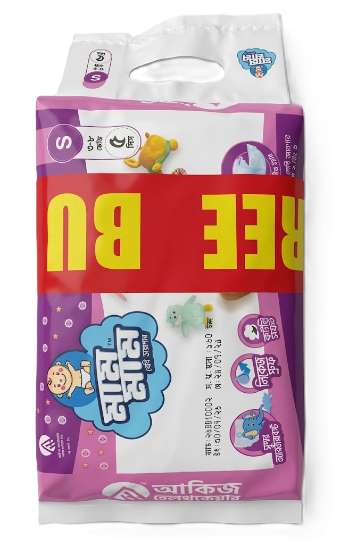
Mum Mum Baby Diaper Belt Small 5pcs 3-8kg Buy1 Get1 Free
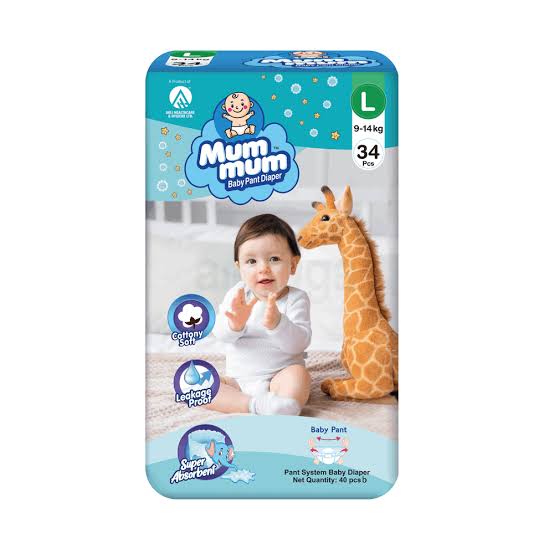
Mum Mum Baby Diaper Pant Large 34pcs 9-14kg
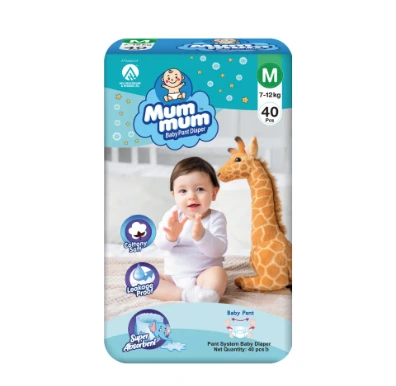
Mum Mum Baby Pant Diaper-Medium 40pcs 7-12Kg
.webp)
Twinkle Baby Wipes Pouch 120 pcs
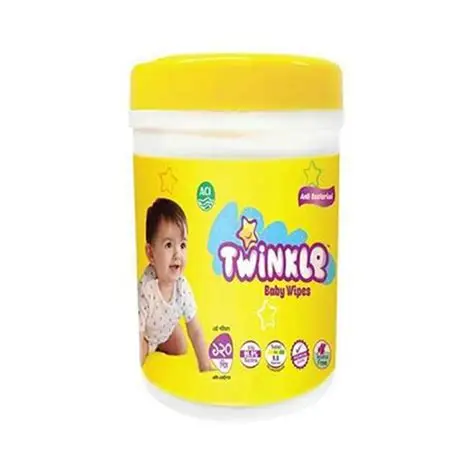
Twinkle Baby Wipes Jar 120pcs
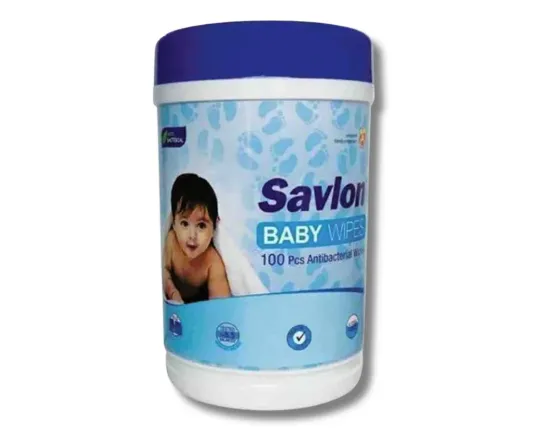
Savlon Baby Wipe Jar 100s
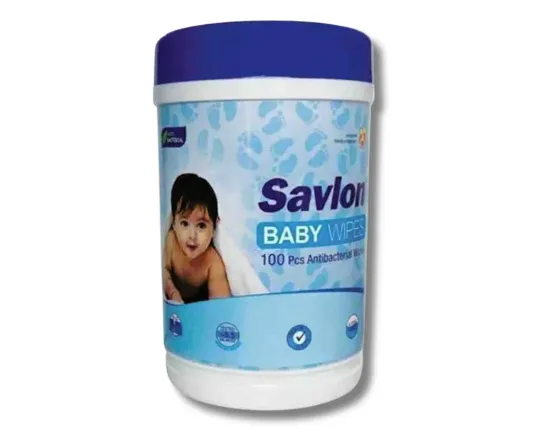
Savlon Baby Wipe Jar 160s
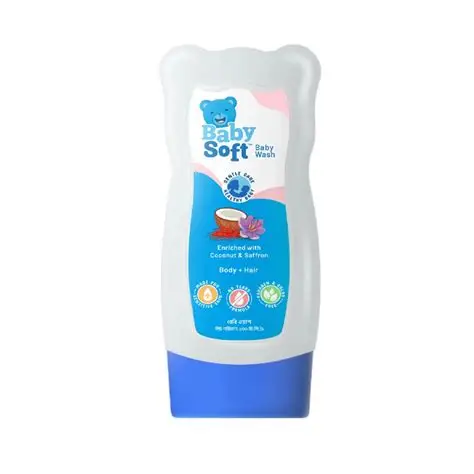
Baby Soft Baby Wash 100 ml
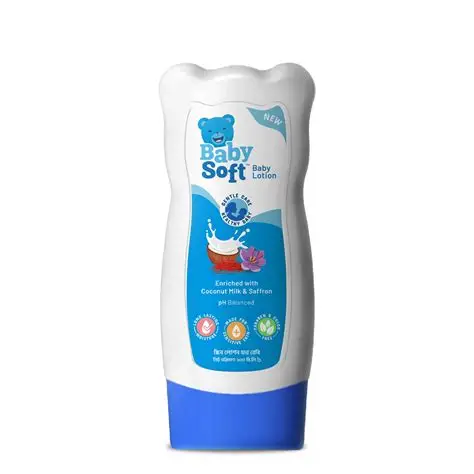
Baby Soft Baby Lotion 100 ml
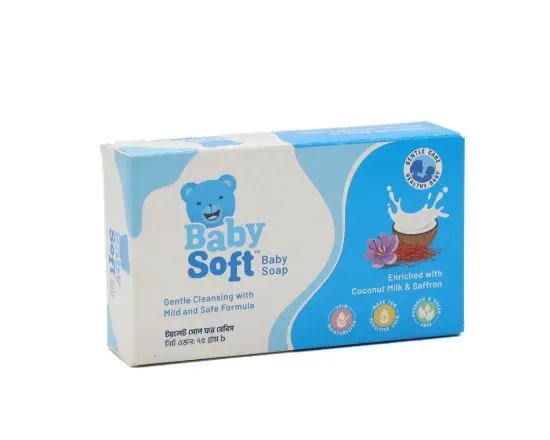
Baby Soft Baby Soap 75gm
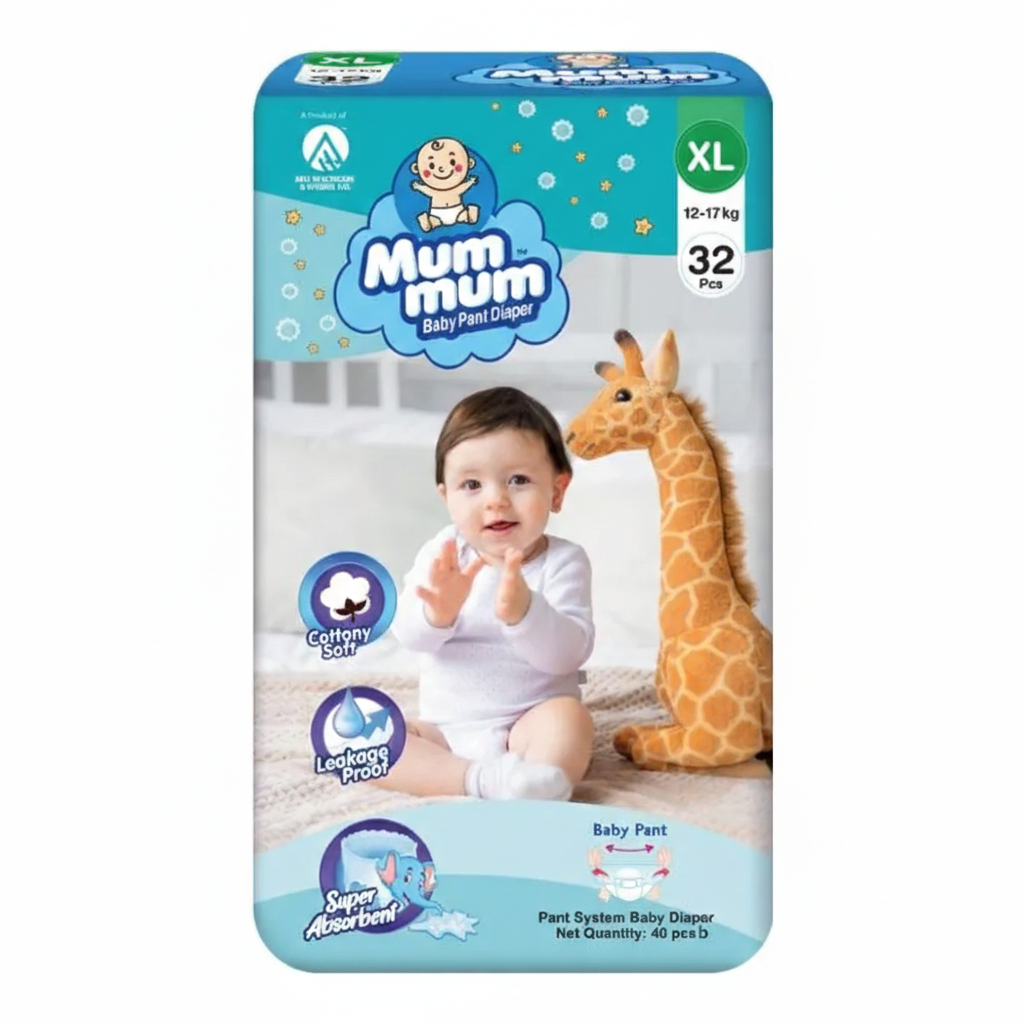
Mum Mum Baby Pant Diaper-XL 32pcs 12-17kg
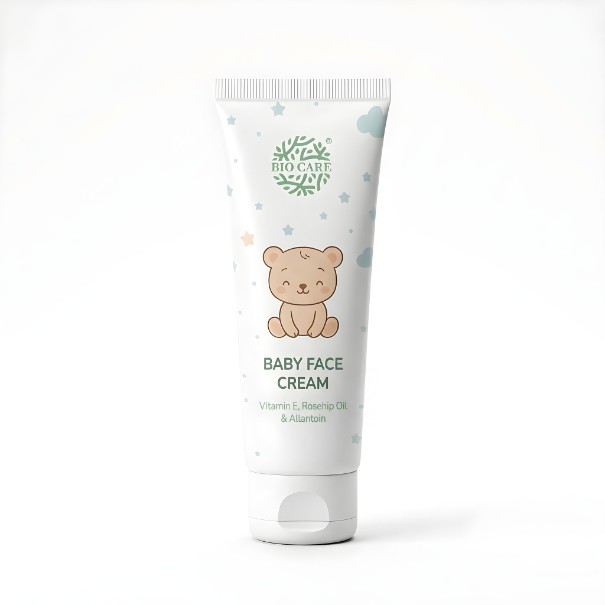
BioCare Baby Face Cream 50ml
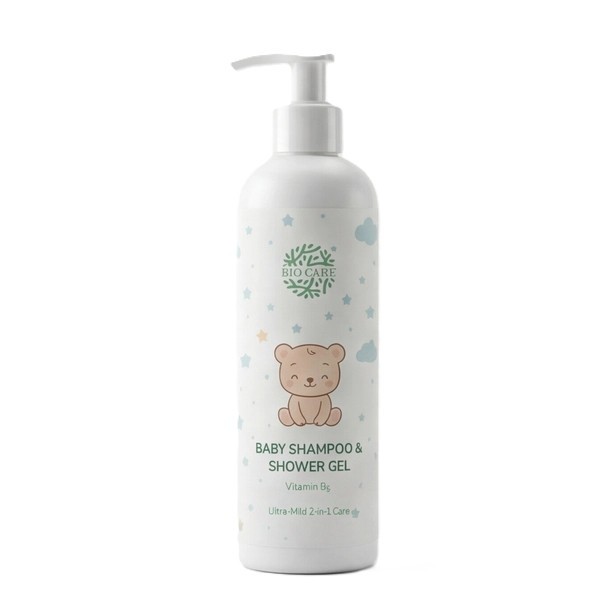
BioCare Baby Shampoo & Shower Gel 230ml
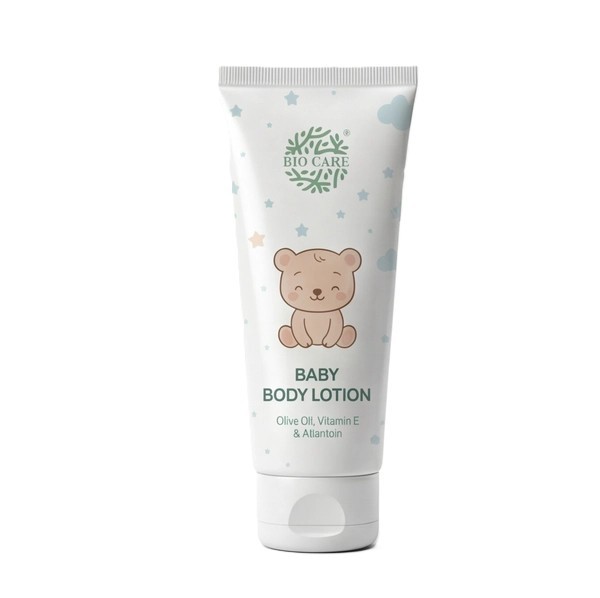
BioCare Baby Body Lotion 150ml
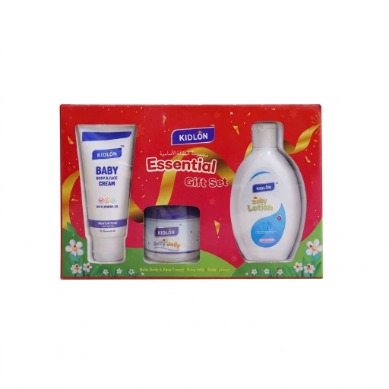
Kidlon Essential gift set - Baby Cream + jelly + Lotion
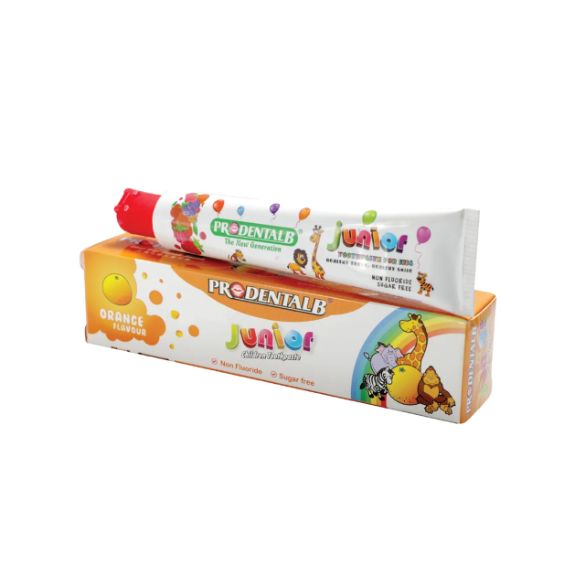
ProDentalB Junior Toothpaste Orange 40gm
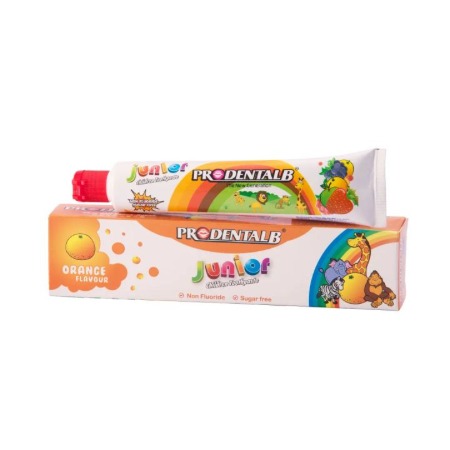
ProDentalB Junior Toothpaste Orange 3-6TB free 75 GM
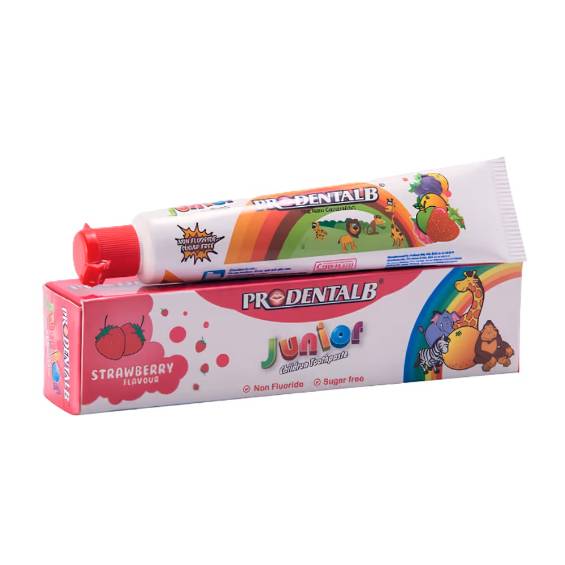
ProdentalB Junior Strawberry Toothpaste 40gm
Description :
Nobody buys baby supplies casually. It's the category where people read the pack, compare sizes, and stick with what works once they find it — and it's the one where running out is genuinely inconvenient rather than merely annoying. Metromart stocks the everyday range, from nappies and wipes to bathing and feeding.
What's in the Baby Items & Care range?
Nappies in belt and pant styles across sizes, baby wipes in jars and pouches, baby wash, soap and lotion, face cream, junior toothpaste, and baby food. Brands include Mum Mum, Twinkle, Savlon, Baby Soft, BioCare, Kidlon and Algrano, delivered across Bangladesh.
How do you choose the right nappy size?
Go by weight, not by age. Every nappy pack states a weight range, and that's the figure to match — babies of the same age vary enormously in size, and age-based guessing is the most common reason a nappy leaks.
If your baby sits between two sizes, the larger one is usually the better choice. A nappy that's slightly big holds more and leaks less; one that's slightly small pinches at the thighs and leaks at the legs.
Weight ranges overlap deliberately between sizes, so there's rarely a single correct answer — the sign you've sized up too late is red marks at the waist or thighs after a change.
Belt or pant nappies — which should you buy?
Belt nappies fasten at the sides with tabs and suit newborns and younger babies who are changed lying down. They're easier to adjust, easier to check, and generally cheaper.
Pant nappies pull on like underwear and suit babies who are crawling, standing or actively resisting a change. They're quicker on a moving child and they're the natural step towards potty training.
Most households use belts early on and switch to pants somewhere around the point the baby starts moving properly.
How do you work out what nappies actually cost?
Divide the pack price by the number of nappies, not by the weight. Packs in the same range often carry the same price with different counts — a 40-piece and a 32-piece pack at the same price work out at noticeably different costs per change.
Larger sizes hold fewer nappies per pack because each one is bigger, so the cost per nappy rises as your baby grows. Budgeting by pack price rather than by unit price is why nappy costs feel like they jump unexpectedly.
A rough guide: a newborn goes through eight to twelve nappies a day, dropping to five or six by the time they're walking.
How do you prevent nappy rash?
Change frequently, clean gently, and dry thoroughly. Most nappy rash comes from prolonged contact with moisture rather than from any particular product, so the change interval matters more than what you clean with.
Let the skin air-dry for a minute before the fresh nappy goes on, rather than fastening it onto damp skin. A barrier cream helps where rash is already starting.
If a rash is severe, spreading, blistering, or not improving after a few days of careful changing, see a doctor. Some rashes are fungal or bacterial and need treatment rather than more cream.
What should you look for in baby skincare?
Simplicity. Baby skin is thinner and more permeable than adult skin, so fewer ingredients is generally the safer starting point — particularly for newborns, where fragrance-free is the usual recommendation.
Patch test anything new on a small area of the arm or leg and wait a day before using it more widely. That applies to washes, lotions and creams alike.
Products made for adults aren't a substitute. Adult soaps and shampoos are formulated for a different pH and are more likely to sting and dry.
How much toothpaste should a child use?
Follow the pack and your dentist's guidance. As a general rule, children under three use a smear of toothpaste, and children aged three to six use a pea-sized amount — considerably less than most people apply.
Supervise brushing until a child is old enough to do it properly on their own, and encourage spitting rather than rinsing. Junior toothpastes are formulated for children rather than adults, so check the age range on the pack before buying.
When can a baby start solid food?
That's a question for your paediatrician or health visitor rather than a product page. Weaning timing depends on the individual child, and every baby food product states an age on the pack that shouldn't be worked around.
What's worth saying generally: introduce new foods one at a time so any reaction can be traced, and follow the preparation instructions on the pack exactly, particularly around water temperature and hygiene.
How should you store baby products?
Wipes should be kept sealed — the lid or resealable flap exists to stop them drying out, and a half-dry wipe is worse than useless. Jars keep better than pouches once opened.
Keep lotions, creams and washes out of direct sunlight and away from heat. Nappies need somewhere dry; a damp storeroom affects the absorbent core over time.
And check dates on baby food carefully. It's the one part of this category where the date genuinely matters rather than being a guideline.
Frequently Asked Questions:
Questions: How do I know if the nappy size is right?
Check for red marks at the waist and thighs after a change — that means it's too small. Leaking at the legs also usually means too small rather than too absorbent. Gaping at the waist or sliding down means too large. Go by the weight range printed on the pack rather than your baby's age.
Questions: My baby is between two sizes. Which should I buy?
The larger one, generally. A slightly large nappy holds more and leaks less; a slightly small one pinches and leaks at the legs. Weight ranges overlap between sizes for exactly this reason.
Questions: Why does my baby's nappy leak at night?
Usually because it's reached capacity rather than because it's faulty. Night nappies need to hold eight or more hours' worth. Sizing up for overnight only is a common and sensible approach, even if the daytime size still fits.
Leaks at the legs point to a fit problem; leaks at the back usually mean the nappy wasn't pulled high enough at the waist.
Questions: How many nappies a day should I expect to use?
Roughly eight to twelve for a newborn, dropping to five or six by the time a child is walking. That's worth knowing when comparing pack sizes — a 34-piece pack is around three to four days for a newborn.
Questions: Should I buy belt or pant nappies?
Belts for newborns and younger babies changed lying down; pants for crawlers and toddlers who won't stay still. Most households use belts first and switch to pants when the baby starts moving properly.
Questions: Is a bigger pack always better value?
Not necessarily — divide the price by the piece count rather than assuming. Packs in the same range sometimes carry the same price with different counts, so the cost per nappy varies between sizes.
Skin, bathing and hygiene
Questions: How do I prevent nappy rash?
Change frequently, clean gently, and let the skin dry properly before the next nappy goes on. Moisture against skin is the main cause, so the change interval matters more than the products used. A barrier cream helps where rash is starting.
Questions: When should I see a doctor about nappy rash?
If it's severe, spreading, blistering, bleeding, or not improving after a few days of careful changing. Some rashes are fungal or bacterial and need proper treatment — more cream won't fix those.
Questions: Are baby wipes flushable?
No. Baby wipes should go in a bin, not down the toilet — they don't break down like toilet paper and they block drains and sewers. That applies even to wipes labelled biodegradable.
Questions: Can I use adult soap or shampoo on a baby?
Better not to. Adult products are formulated for a different pH and tend to be harsher, which is more likely to sting and dry out baby skin. Baby washes are milder for a reason.
Questions: Should I patch test baby skincare?
Yes, with anything new. Apply a small amount to the arm or leg, wait a day, and check for redness or irritation before using it more widely. Worth doing even with products marketed for babies.
Questions: Do newborns need lotion?
Not necessarily. Many newborns need nothing at all, and paediatricians often advise keeping the routine minimal in the early weeks. If skin is dry, a simple fragrance-free product is the usual starting point — and anything persistent is worth raising with a doctor.
Questions: Wipes in a jar or a pouch — does it matter?
Jars seal better and keep wipes moist longer once opened, which suits home use. Pouches are lighter and easier to carry, which suits a changing bag. Plenty of parents keep both.
Feeding and oral care
Questions: How much toothpaste should my child use?
A smear for under-threes and a pea-sized amount for ages three to six, as a general rule — follow the pack and your dentist's advice. Supervise brushing and encourage spitting rather than rinsing.
Questions: Is junior toothpaste different from adult toothpaste?
Yes — it's formulated for children, including the fluoride level, and the flavours are milder. Check the age range on the pack, since "junior" products vary in who they're intended for.
Questions: When can my baby start solid food?
That's a question for your paediatrician or health visitor. Every baby food pack states an age, and that guidance shouldn't be worked around. Introduce new foods one at a time so any reaction can be traced.