

Fruit Drinks
Products in Fruit Drinks
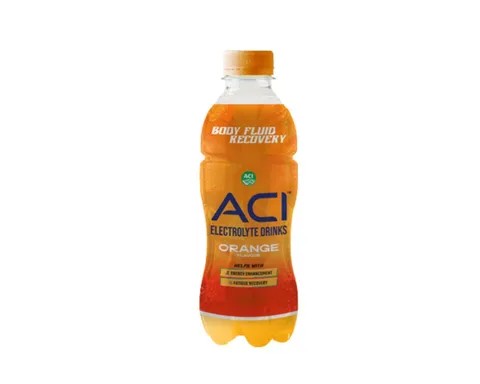
ACI Electrolyte Drinks Orange 250ml
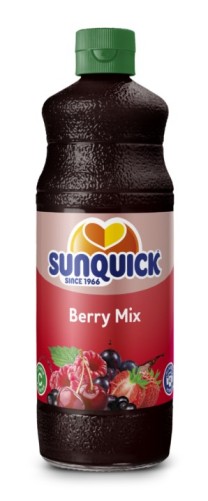
Sunquick Berry Mix Fruit Drink 1000ml
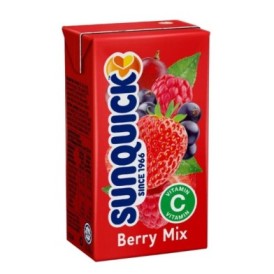
Sunquick Berry Mix Fruit Drink 250ml
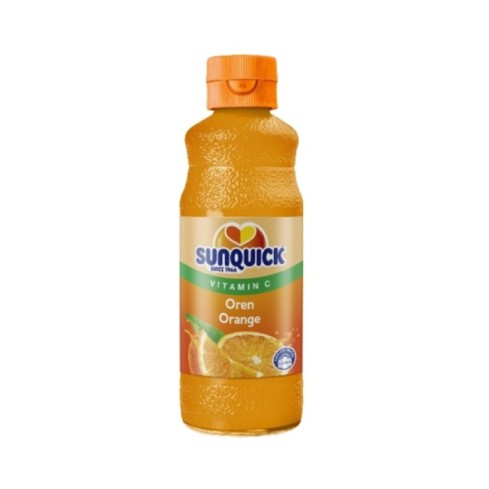
Sunquick Orange Squash Concentrate Drink 300ml
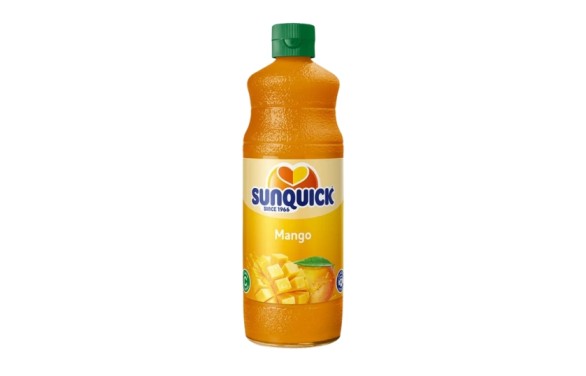
Sunquick Mango Squash Concentrate Drink 300ml
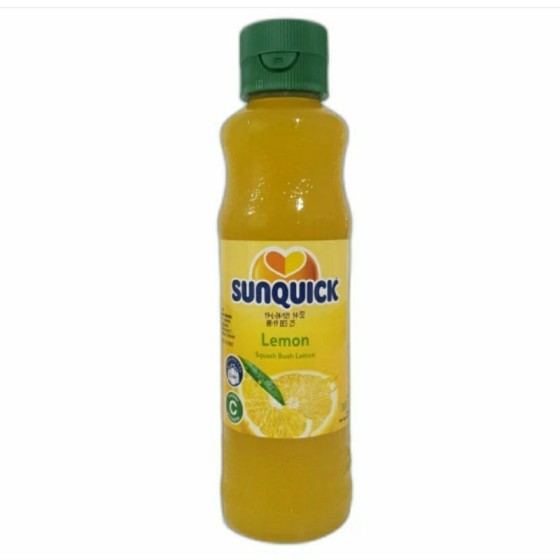
Sunquick Lemon Squash Concentrate Drink 300ml
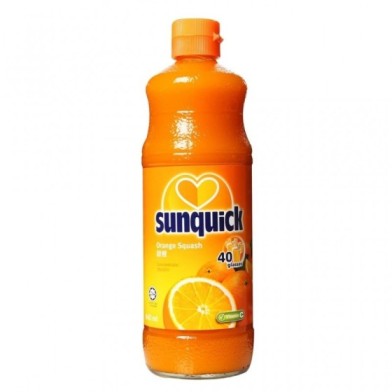
Sunquick Orange Squash Concentrate Drink 700ml
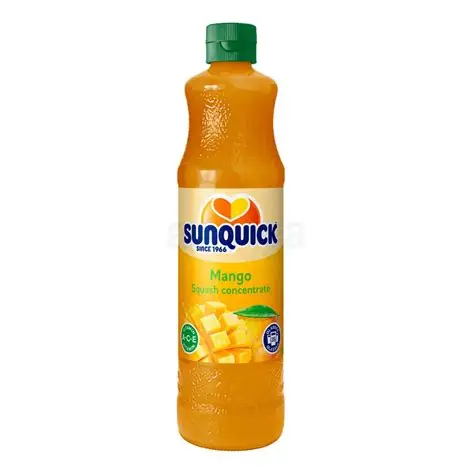
Sunquick Mango Squash Concentrate Drink 700ml
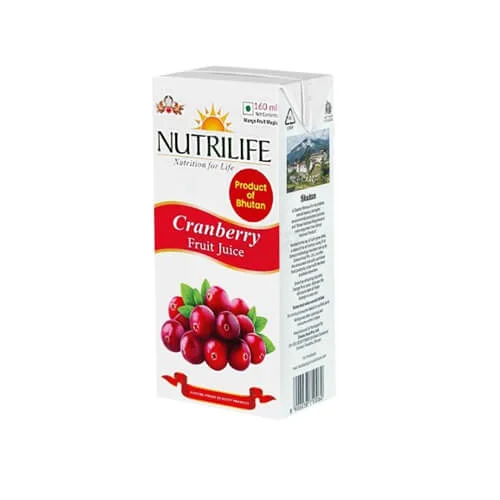
Nutrilife Cranberry Juice 160ml
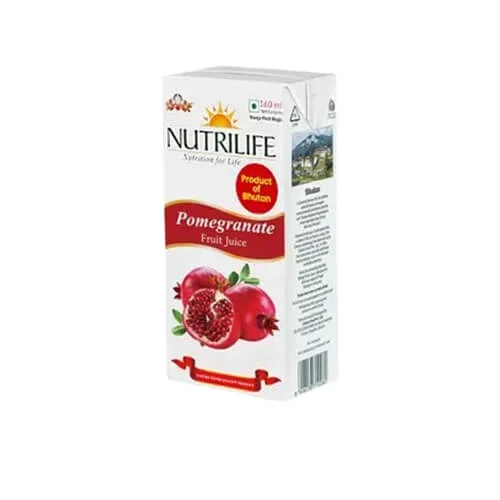
Nutrilife Pomegranate Juice 160ml
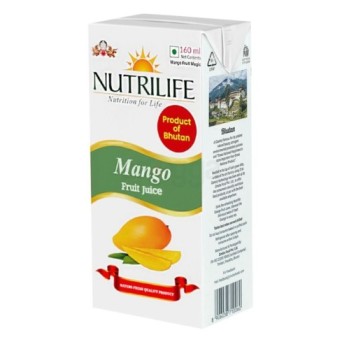
Nutrilife Mango Juice 160ml
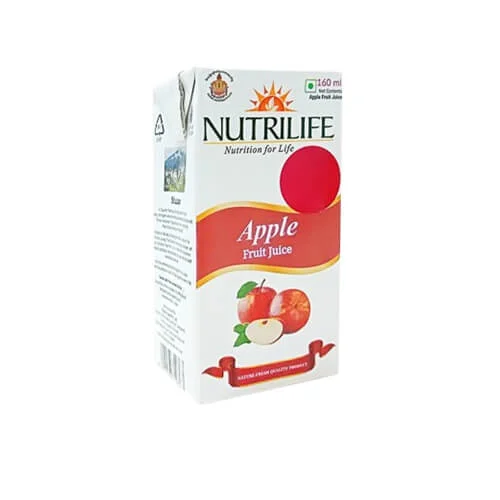
Nutrilife Apple Juice 160ml
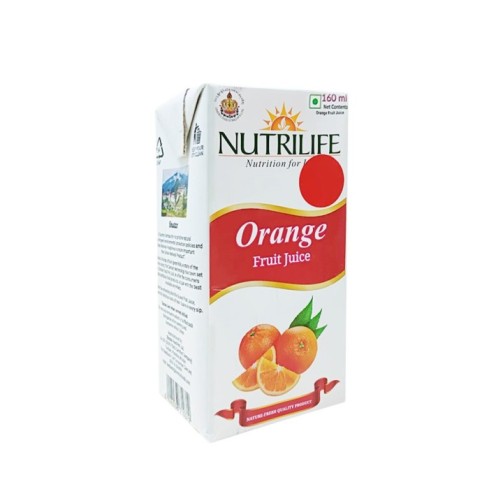
Nutrilife Orange Juice 160ml
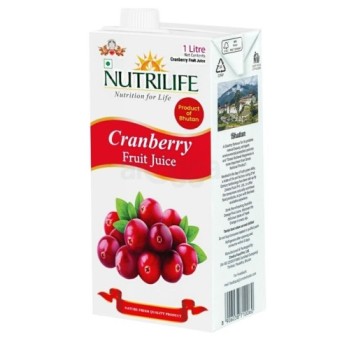
Nutrilife Cranberry Juice 1000ml
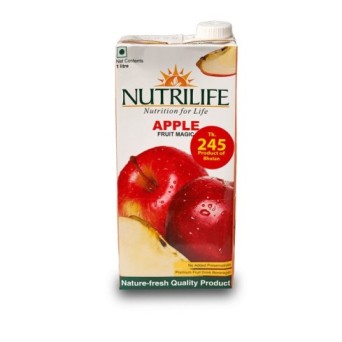
Nutrilife Apple Juice 1000ml
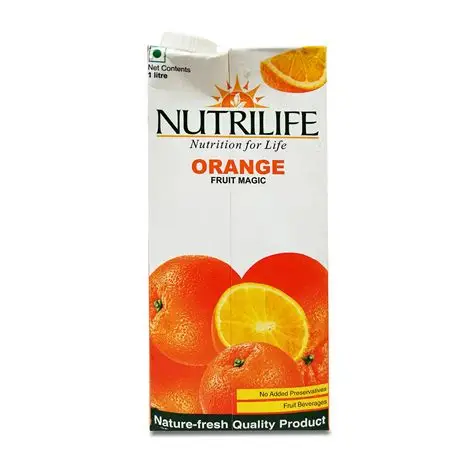
Nutrilife Orange Juice 1000ml
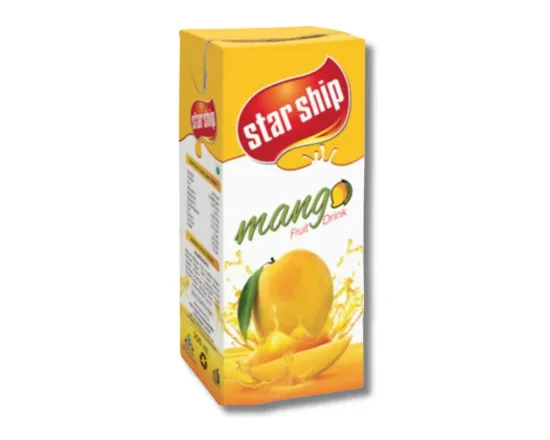
Starship Mango Milk Drink 200ml
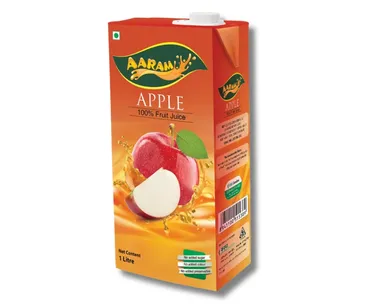
Aaram Apple 100% Fruit Juice 1Ltr.
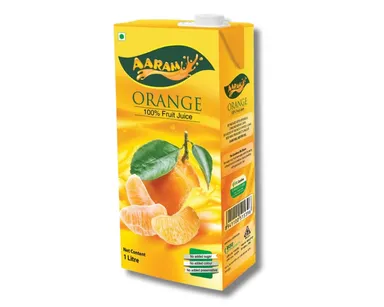
Aaram Orange 100% Fruit Juice 1Ltr.
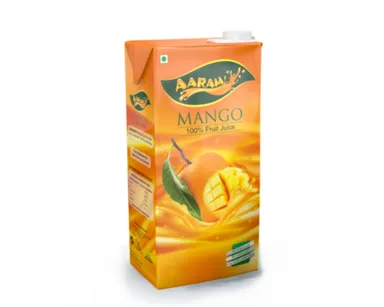
Aaram 100% Mango Fruit Juice 1Ltr.
Description :
Sip on a tasty, fruit-filled drink with the fruit drinks available at Metro Mart Online. Whether you enjoy the sweet flavor of mango, the zesty taste of orange, or the mix of delicious berries, fruit drinks are a great way to stay refreshed throughout the day. They're perfect for drinking at home, taking a break at work, grabbing on the go, or enjoying with loved ones.
Choose from a range of fruit drinks from well-known brands, all tailored to different tastes and ways of serving. You can find easy-to-carry single-serve packs or bigger bottles for sharing.Shop our fruit drinks collection, compare flavors and sizes, and order fruit drinks online in Bangladesh from the comfort of your home.
Make every drink more enjoyable with your favorite fruity flavors.
Visit Metro Mart Online to shop for fruit drinks and all your everyday groceries and beverages.
Three things to keep in mind:
Squash concentrate:
A thick, very sweet liquid that needs to be diluted before drinking.One bottle can make several liters.Drinking it straight isn't harmful, but it's way too sweet and not very pleasant, which is why people often make that mistake when they buy it for the first time.
100% fruit juice:
Made only from fruit, with no added water or sugar.
When a pack says 100%, it's a real claim, not just a catchy slogan.
Fruit juice without a percentage listed: Usually contains a lot of fruit, but it's best to check the label to see exactly how much fruit is in it, as this can vary.
Fruit drink:
A mix of fruit, water, and sugar, with the fruit content shown on the label.
This is the most common type found on any shelf in Bangladesh, and it's usually what people mean when they say juice.
How squash concentrate actually works:
The product most often misunderstood, and the one that rewards understanding.
You dilute it. As a general guide, one part concentrate to five or six parts water — but follow the bottle, since brands differ and the ratio is printed on it.
One 300ml bottle therefore makes somewhere around two litres of finished drink; a 700ml bottle makes several. That's the whole point of the format.
Two things worth knowing:
- Mix it in a jug rather than glass by glass. Concentrate is thick and doesn't disperse readily in a full glass of cold water — you get a sweet layer at the bottom and weak liquid on top. In a jug with a stir it mixes properly. Adjust to taste rather than treating the ratio as fixed. The printed ratio is a starting point. Plenty of households dilute further than the bottle says, especially for children.
- Concentrate keeps unopened at room temperature and refrigerates after opening — which is a practical advantage over ready-to-drink bottles if cupboard space is easier to find than fridge space.
What "100%" actually means:
Where a pack states 100% fruit juice, it means the contents are fruit — pressed or reconstituted — with no added water or sugar.
That has three consequences worth knowing.
How it tastes:
It tastes different from a fruit drink, and not always in the way people expect. 100% juice is less sweet, more acidic, and varies between batches because fruit does. A fruit drink tastes identical every time precisely because it's formulated to.
How much it cost:
It costs more per glass, for the obvious reason — there's more fruit in it.
How much healthier:
It isn't automatically "healthier" in every respect. The sugar in 100% juice is naturally occurring rather than added, but it's still sugar, and a glass of juice contains considerably more fruit than most people would eat whole. For anything related to diet, the nutrition panel on the pack and a doctor or dietitian are the right sources rather than a product page.
Juice or fruit drink — how to choose:
Buy 100% juice when you want the taste of fruit, when you're serving it as a proper drink rather than a soft drink, or when added sugar is something you're avoiding.
Buy a fruit drink when you want consistency, year-round availability and a sweeter, more familiar flavour — which for most everyday drinking is what people actually prefer, and there's nothing wrong with that.
Buy a concentrate when you're serving several people, when fridge space is short, or when you want to control how strong the drink is.
One honest point: a fruit drink isn't a failed attempt at juice. It's a different product that does a different job, and it exists because mango season lasts a few weeks and demand for mango lasts all year.
Fruit-flavoured milk drinks:
A separate category that ends up shelved here, and worth treating as such.
These are dairy-based — milk with fruit flavouring — rather than fruit-based. They're richer and more filling than a fruit drink, which makes them closer to a snack than a refreshment.
They also behave differently once opened. Dairy spoils faster than a fruit drink does, so refrigerate immediately and finish within the period the pack states — which is usually shorter than you'd expect.
Electrolyte drinks are for a different purpose:
Also shelved here, also worth distinguishing.
An electrolyte drink is for rehydration rather than refreshment. It contains salts alongside sugar and flavoring, formulated to replace what's lost through sweating or illness.
They're useful in heat, after exercise, or during illness — but they're not a substitute for an everyday fruit drink, and they taste noticeably salty for that reason.
For a child who is unwell, or for anyone with persistent symptoms, speak to a doctor or pharmacist rather than treating it as a soft drink.
Serving and chilling:
Everything here ships at ambient temperature, so allow time for the fridge. A single-serve carton chills in around twenty minutes; a litre bottle needs two to three hours.
Cold matters more than people assume, and not only for comfort. Sweetness perception rises as a drink warms — the receptors involved are least responsive when something is cold. So the same fruit drink tastes considerably sweeter and heavier at room temperature than it does chilled, which is the difference between refreshing and cloying.
A squeeze of lime rescues anything that's gone warm. Acidity cuts the perception of sweetness directly.
For squash, mix it with cold water rather than mixing it warm and chilling afterwards — the dilution is easier to judge when it's already at drinking temperature.
Once it's open:
This is where fruit drinks differ most from fizzy drinks, and it catches people out.
A carbonated drink goes flat. A fruit drink spoils — and the difference isn't visible until it's too late.
Refrigerate after opening, follow the period stated on the pack, and pour into a glass rather than drinking from the bottle. Drinking from the neck introduces bacteria into the whole container, and that alone is the difference between a bottle lasting three days and lasting one.
Signs it's turned: a sour or sharp smell where it should be sweet, a faint fizz that shouldn't be there, or a change in cloudiness. Any of those and it goes.
Concentrate is more forgiving, since the sugar concentration is high enough to resist spoilage — but it still refrigerates after opening.
Buying for children:
Single-serve cartons suit a lunchbox better than decanting from a larger bottle — they don't leak, there's no leftover, and the portion is already decided.
Concentrate lets you control the strength, which is why a lot of households with young children prefer it. Diluting further than the bottle says is entirely normal.
On sugar, the figure is on every pack, and whether a drink is an everyday or an occasional item is a decision for parents working from that figure rather than from a product description.
Storing it:
Unopened, everything here keeps at room temperature somewhere cool and out of direct sunlight. Nothing needs refrigerating until it's opened — chill it shortly before serving instead.
Light is the thing to avoid. Fruit drinks and juices in clear bottles degrade faster on a sunlit shelf than in a cupboard, losing colour and flavour well before the printed date.
Check dates on arrival, particularly on 100% juice and milk drinks, which have shorter lives than concentrates and fruit drinks.