

Home & Kitchen
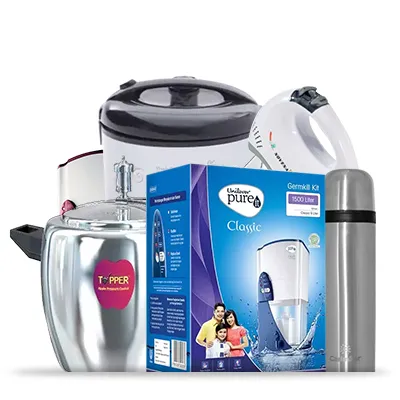
Products in Home & Kitchen
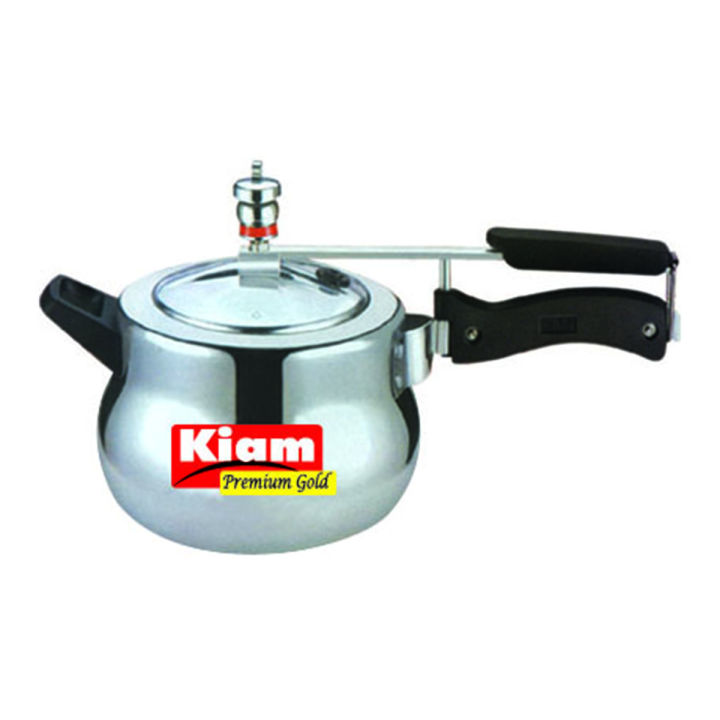
Kiam Pressure Cooker Premium 5.5 lTR
.png)
Dish Cleaning Sponge 2Pcs Set
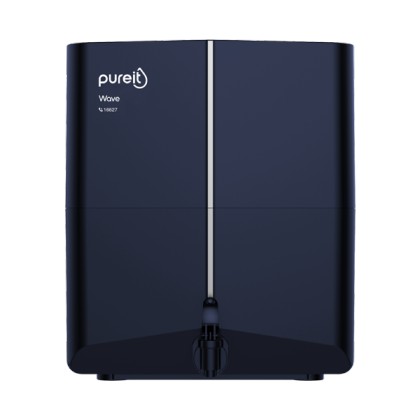
Pureit RO Water Purifier Wave
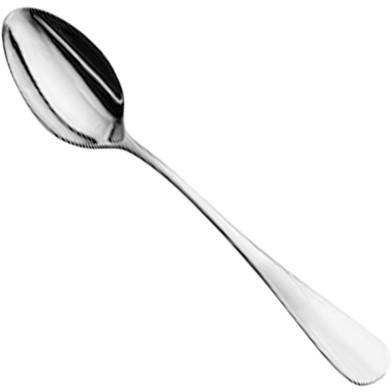
Lianyu Coffee Spoon Assorted
.jpg)
Pureit Water Purifier Micro Fiber Mesh
_(1)_(1).jpg)
Pureit Water Purifier Classic Blue
_(1).jpg)
Pureit Germkill Kit 3000L
_(1)_(1).jpg)
Pureit Germkill Kit 1500L
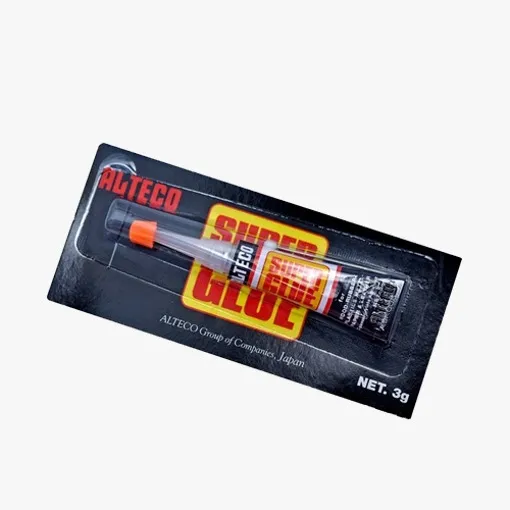
Alteco Super Glue Net 3gm
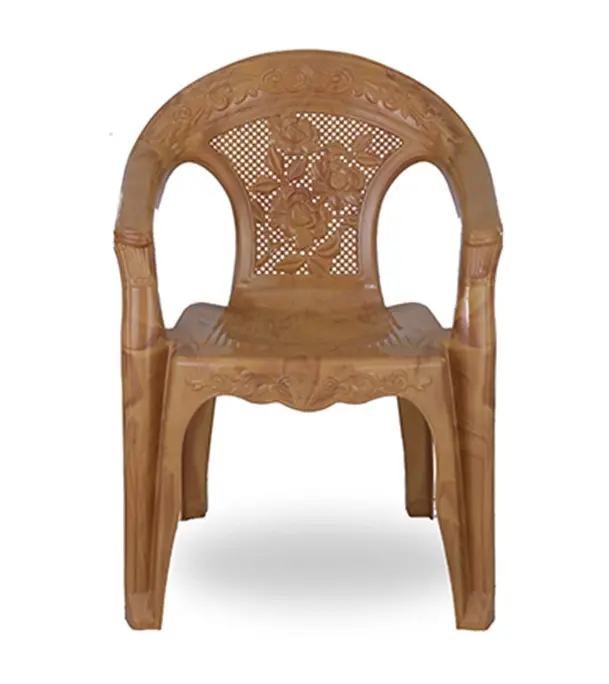
Gradenia Arm Chair-Laze-Sandle Wood
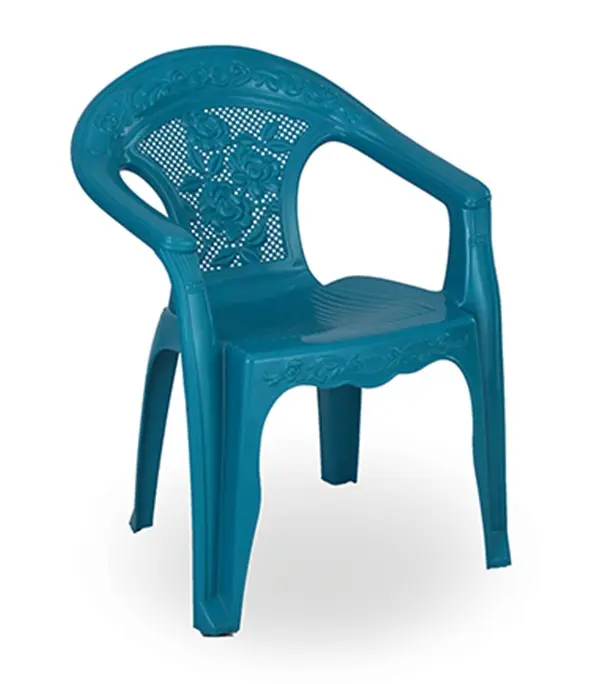
Gradenia Arm Chair-Laze-Tulip Green
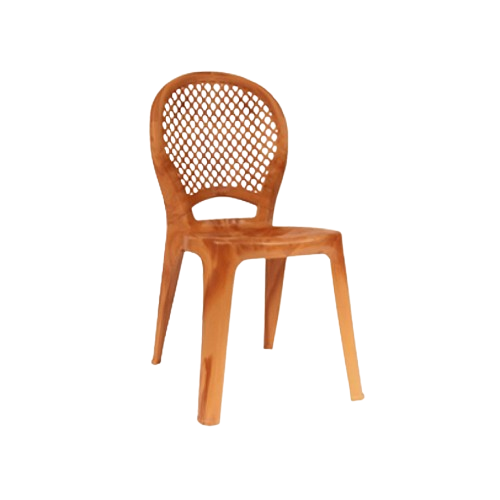
Chair-Orient-Crisscross-Sandle Wood
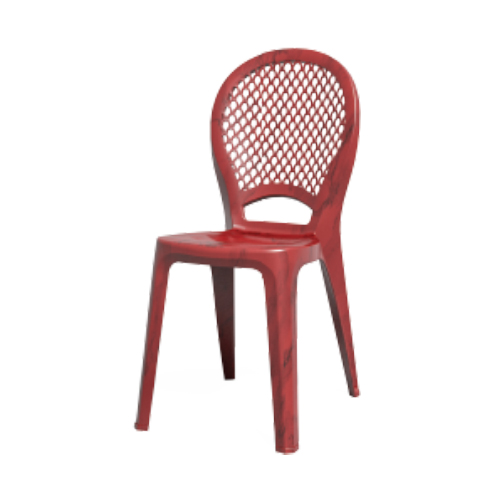
Chair-Orient-Streak-Rose Wood
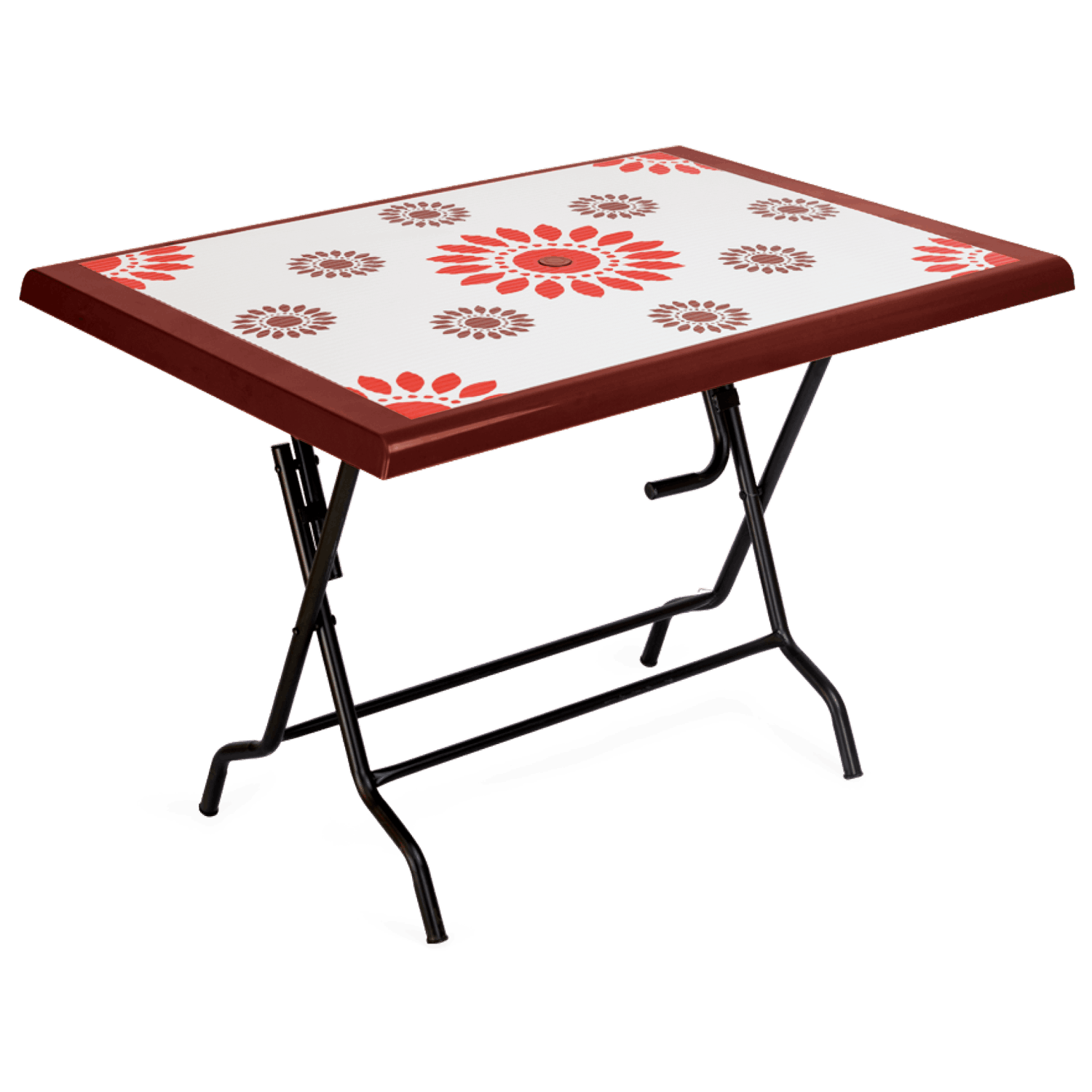
Table-Lumina 4 Seated-Rect. Steel Leg-Black-Flower Print
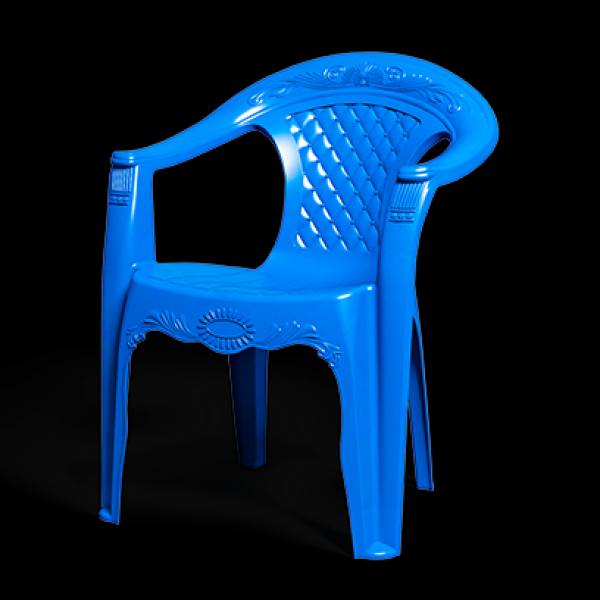
Gradenia Arm Chair-Laze-S M Blue
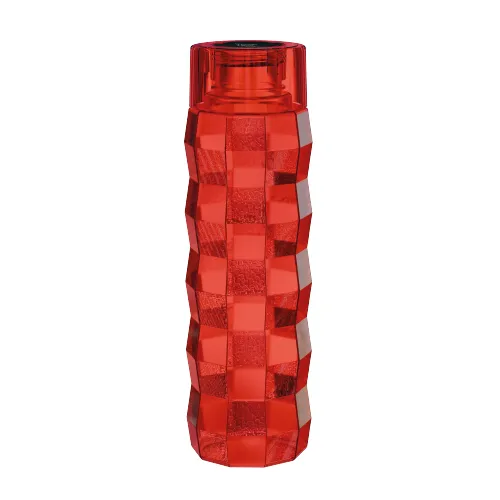
Akij-Water Bottle-Dimond-1000ML-Red
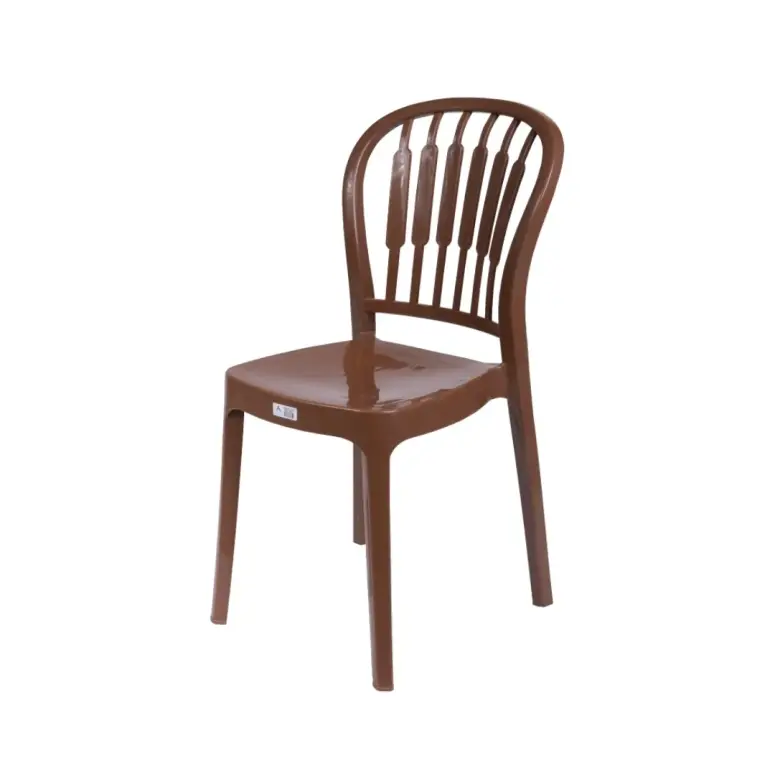
Akij Plastic Chair Elegant Sleek Rose Wood
_(1)_(1).jpg)
Dust Pan- -Blue
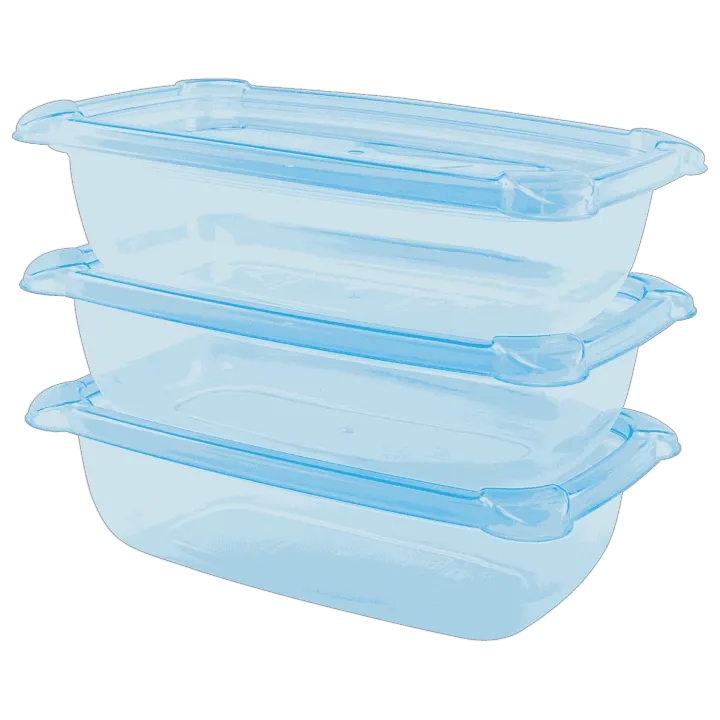
Freshia Container-Preserve-5L-Fruit
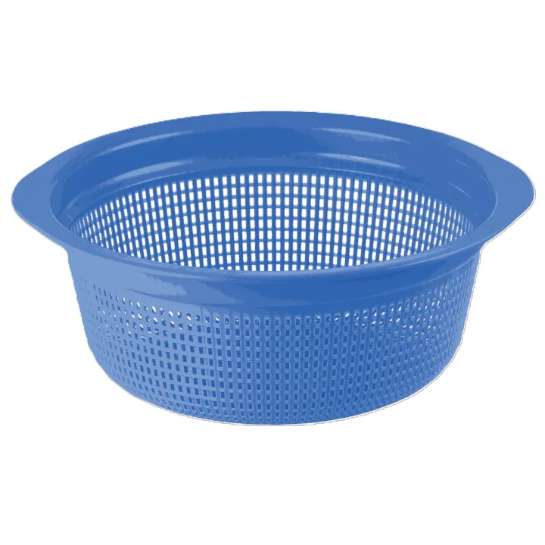
Washing Net-Noodles Strainer-Blue
Description :
Kitchen equipment gets bought twice: once when you set up, and then in small replacements over years — the container that cracked, the sponge that's finished, the filter that needs changing. Metromart stocks both kinds, from a pressure cooker that lasts a decade to the consumables that keep it all running.
What's in the Home & Kitchen range?
Cookware including pressure cookers, water purifiers and their replacement filters, food storage containers, water bottles, serving and eating utensils, and everyday cleaning tools. Brands include Kiam, Pureit, Akij Plastics and Freshia, delivered across Bangladesh.
What size pressure cooker do you need?
Match the size to your household, not to the price. A 5.5 litre cooker suits a family of four to six, handling a full chicken curry, a large batch of dal or rice for a household meal. Smaller cookers suit one or two people; larger sizes are for cooking in quantity.
Buying too small is the more common error. A cooker should never be filled more than two-thirds, and only half for foods that foam or expand — dal, rice, khichuri — so a 5.5 litre cooker is really a 2.7 to 3.6 litre cooker in practice.
How do you use a pressure cooker safely?
Never fill past two-thirds, and only to half for dal, rice or anything that froths. Check the gasket and the vent before each use, and never force the lid — if it won't open, pressure remains inside and it needs to release fully first.
The gasket is the part that fails. It hardens and shrinks over time, which is when a cooker stops sealing and starts taking longer to build pressure. Replacing it is cheap and restores the cooker; most people discard a perfectly good pan instead.
Release pressure naturally for meat and dal. Quick-release under running water suits vegetables, where a few extra minutes would overcook them.
Which water purifier should you buy?
The choice is between RO and gravity-based systems. RO units use reverse osmosis with a powered pump, remove dissolved solids as well as microbes, and need a water connection and electricity. Gravity units need neither, cost considerably less, and work well where the supply is already reasonably clear.
If your water is hard, brackish or high in dissolved solids, RO is the answer. If the concern is primarily microbial and the water is otherwise clear, a gravity unit does the job for a fraction of the price.
What does a water purifier actually cost to run?
More than the unit alone — this is the part people miss. Gravity purifiers use a replaceable germkill kit rated by volume, and that's a recurring cost for as long as you own the unit.
Working it through: a 3000 litre kit at BDT 1,400 is roughly BDT 0.47 per litre of purified water. The 1500 litre kit at BDT 800 works out at about BDT 0.53 per litre — so the larger kit is the better buy if you'll use it.
A household getting through 10 litres a day runs through a 3000 litre kit in about ten months. Budget for one kit a year on top of the purchase price.
When should you replace the germkill kit?
When the unit's indicator says so, or when the rated volume is used up — not when the water starts tasting different. By the time you notice a change, the kit has already stopped doing its job properly.
Keeping a spare kit in the house is sensible. Running a purifier past its rated volume isn't the same as running it with no filter, but it isn't the protection you paid for either.
How should you choose food storage containers?
By what goes in them and where they live. Airtight seals matter most for dry goods — flour, rice, sugar, spices — which clump and spoil in this humidity within weeks of being opened in their original packaging.
For the fridge, look for containers that stack and that you can see into. For dry storage, prioritise the seal over everything else. And buy a size you'll actually fill: half-empty containers hold air, and air is what causes the problem.
How do you make kitchen tools last?
Wash and dry rather than leaving things to air-dry in a humid kitchen — standing water is what corrodes metal and breeds smells in sponges and cloths.
Replace cleaning sponges far more often than feels necessary. They hold moisture and bacteria, and a sponge in daily use is finished within a few weeks whatever it looks like.
Keep plastic containers away from direct heat and out of the sun. Repeated heating degrades plastic, and sun-exposed containers become brittle and crack at the rim.