

Grains & Commodities
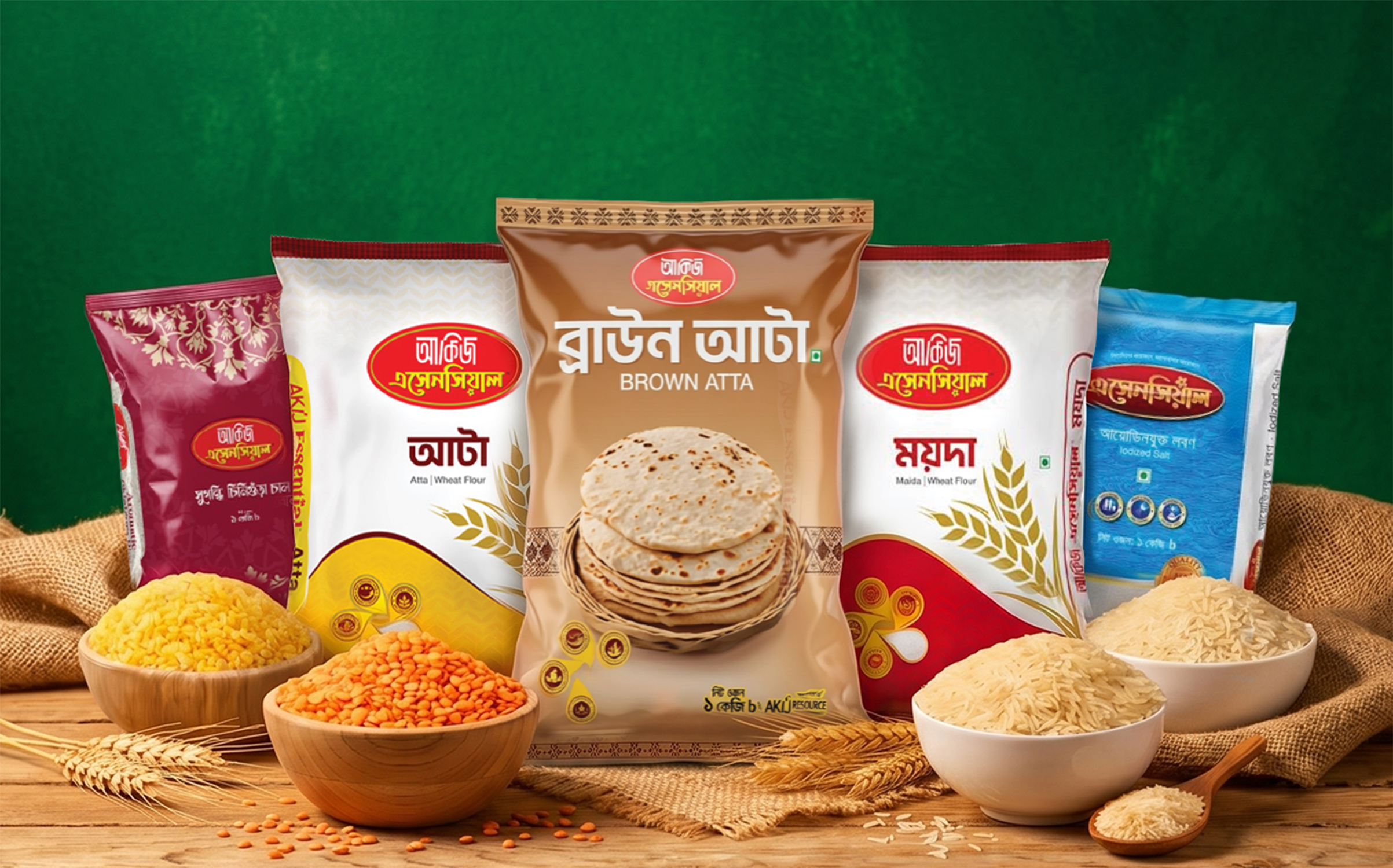
Products in Grains & Commodities
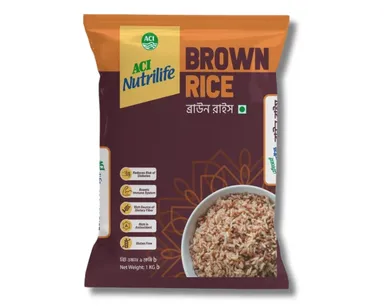
ACI Nutrilife Brown Rice 1kg
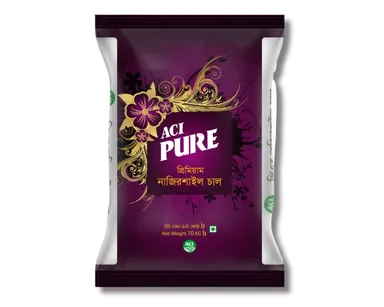
ACI Pure Nazirshail Rice - 10kg
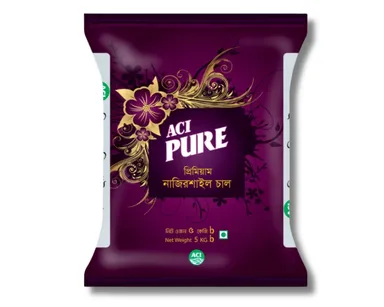
ACI Pure Nazirshail Rice - 5kg
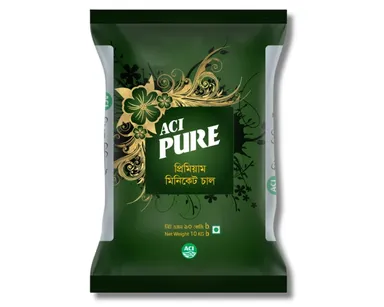
ACI Pure Premium Miniket Rice - 10kg
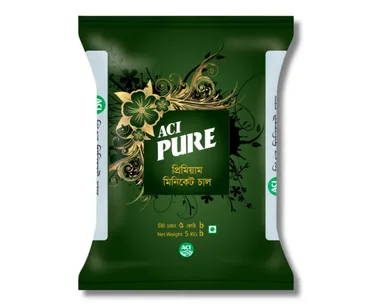
ACI Pure Premium Miniket Rice - 5kg
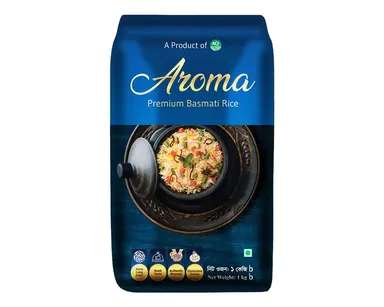
ACI Aroma Basmati Rice - 1kg
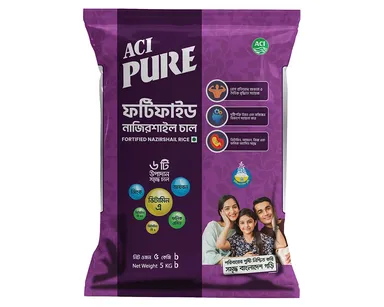
ACI Pure Fortified Nazirshail Rice - 5kg
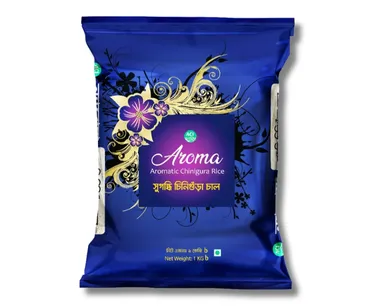
ACI Aroma Chinigura Rice - 1kg
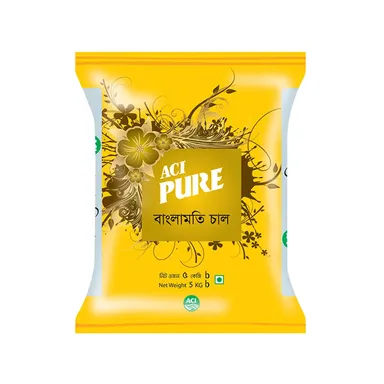
ACI Pure Banglamati Rice - 5kg
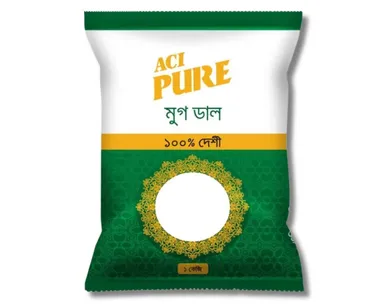
ACI Pure Mung Dal - 1kg
.jpg)
ACI Pure Mosur Dal Premium - 1kg
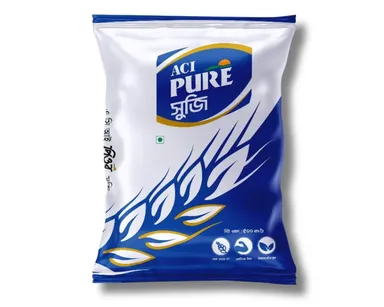
ACI PURE Suji - 500gm
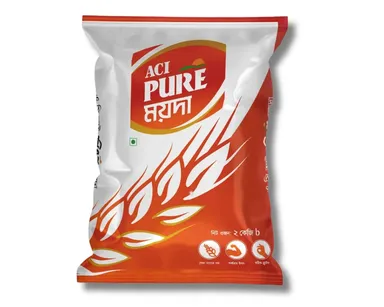
ACI PURE Premium Maida - 2kg
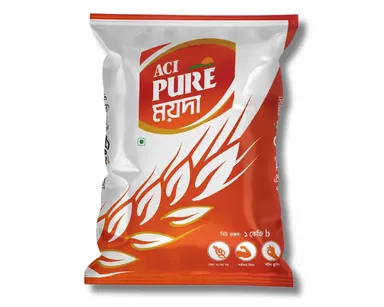
ACI PURE Maida Premium - 1kg
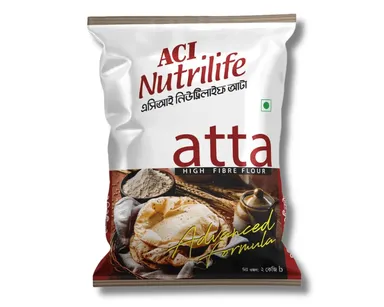
ACI Nutrilife Brown Atta - 2kg
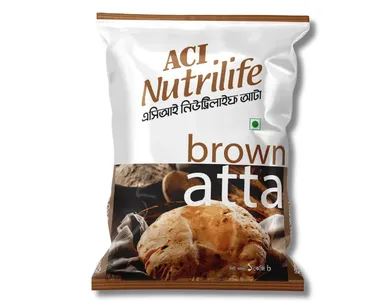
ACI Nutrilife Brown Atta - 1kg
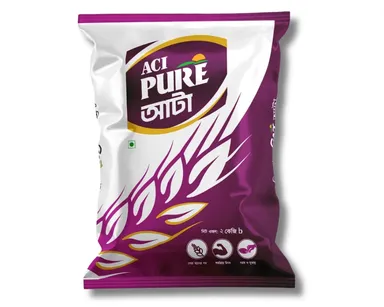
ACI PURE Atta - 2kg
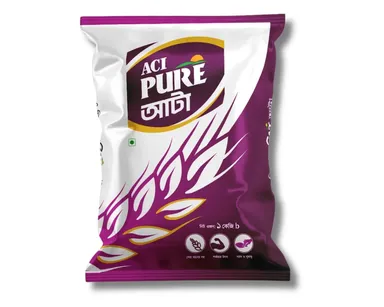
ACI Pure Atta - 1kg
.jpg)
Farmer's Gold Mixed Dal 1kg
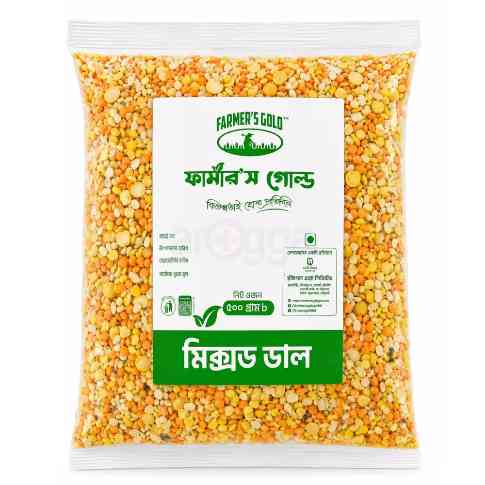
Farmer's Gold Mixed Dal 500gm
Description :
Staples are the part of the shopping that nobody enjoys carrying. Five kilos of rice, a kilo of dal, atta, sugar — the heaviest things in the basket and the ones most worth having delivered. Metromart stocks the brands already in most kitchens here, in the pack sizes households actually buy.
What's in the Grains & Commodities range?
Rice in everyday and aromatic varieties, lentils, atta and maida, plus sugar, salt, honey and jam. Brands include ACI and Farmer's Gold, in pack sizes from 500g up to 10kg, delivered across Bangladesh.
Which rice should you buy for which dish?
Match the rice to the meal. Miniket and Nazirshail are the everyday rices for plain bhat with dal and curry. Chinigura is the small aromatic grain for polao, biryani and payesh. Basmati is the long-grain aromatic for biryani where you want separate, elongated grains.
The difference is worth understanding, because it's the most common mistake in this category. Cooking biryani with everyday rice gives you a dish that tastes right and looks wrong — the grains break and clump instead of staying separate. Cooking daily bhat with chinigura is simply expensive.
Miniket is polished fine rice, soft and familiar, and the default in a great many households.
Nazirshail is a medium grain, slightly firmer, and holds up better if the rice sits before being eaten.
Banglamati sits between everyday and aromatic — more fragrance than miniket, less cost than basmati.
Chinigura is the classic Bangladeshi aromatic. Tiny grains, strong fragrance, and the right choice for polao, kacchi and payesh. A little goes further than people expect because the grains are so small.
Brown rice is unpolished, so it keeps the bran layer and more fibre. It takes noticeably longer to cook and has a firmer, nuttier result.
What is fortified rice?
Fortified rice has vitamins and minerals added during processing — typically iron, zinc, folic acid and B vitamins. It looks and cooks like ordinary rice, and it's part of a wider public health effort in Bangladesh to address micronutrient deficiency through staple foods.
It costs slightly more than the unfortified equivalent. Whether it's worth it depends on your household's overall diet, and it's a reasonable question for a doctor or dietitian rather than a product page.
Is a bigger bag better value?
Check before assuming. Across this category the per-kilo difference between a 5kg and a 10kg bag is very small — often a taka or two per kilo — so the larger bag isn't the saving people expect it to be.
Given that, the deciding factor should be storage rather than price. Rice keeps well in principle, but in Bangladesh's humidity a large sack that sits open for months attracts insects and picks up moisture. Buy what you'll use in six to eight weeks.
Which dal is which?
Mosur dal — red lentil — is the everyday one, cooking down soft and quick, and it's what most households mean when they say dal.
Mung dal is firmer and holds its shape better, which suits khichuri and drier preparations. Roasted before cooking it takes on a nuttier flavour.
Mixed dal combines several varieties for a thicker texture and more body, useful when the dal is the main dish rather than an accompaniment.
Dal doesn't need soaking the way larger pulses do, though thirty minutes shortens the cooking time and helps it break down evenly.
What's the difference between atta, maida and suji?
Atta is wholemeal wheat flour, used for roti and chapati. Maida is refined white flour with the bran and germ removed, used for luchi, naan, cake and pastry. Suji is semolina, coarser than both, used for halwa, upma and as a crisp coating for frying.
They aren't interchangeable. Maida roti goes stiff and pale; atta in a cake makes it heavy.
How should you store staples in this climate?
Move everything out of its original bag into airtight containers. Humidity is what ruins dry goods here, not age — flour clumps, rice attracts insects, and sugar sets hard in its packet within weeks of being opened.
Keep containers somewhere cool and dark, away from the stove. If you've bought a 10kg sack, decant it into two or three containers rather than opening the same one daily.
For rice and flour specifically: a few bay leaves in the container deters insects reasonably well. For certainty, freezing flour for two days before storing kills any eggs already present, which is where infestations usually start rather than from insects finding their way in later.
How can you tell if rice or dal has gone off?
Smell it and look for movement. Fresh rice and dal smell faintly of themselves and very little else; anything musty or sour has taken on moisture. Fine webbing, small holes in the grains, or insects moving in the container all mean it should go.
Rice that's simply old rather than spoiled cooks drier and needs slightly more water — not a problem, just something to adjust for.