

Frozen Food
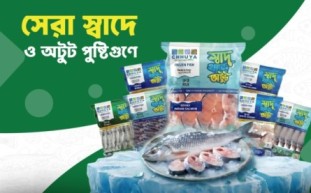
Products in Frozen Food
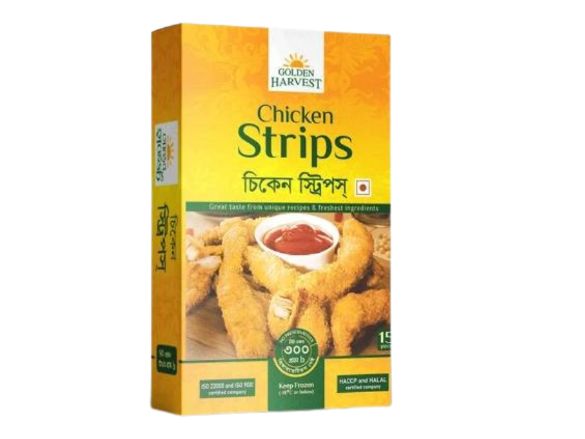
Golden Harvest Chicken Strips 250gm
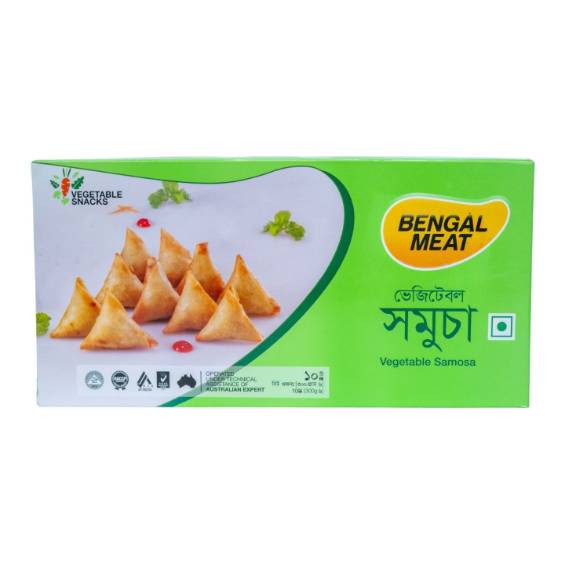
Bengal Meat Vegetable Samosa 300gm
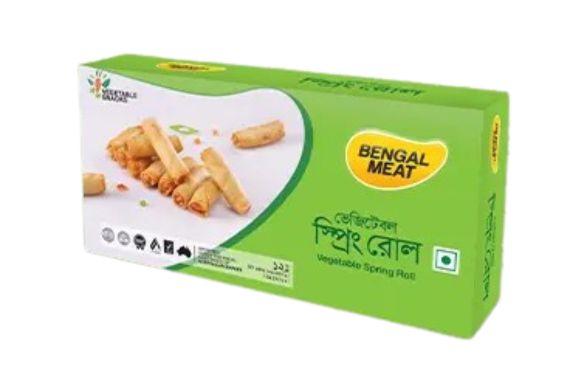
Bengal Meat Vegetable Spring Roll 360gm
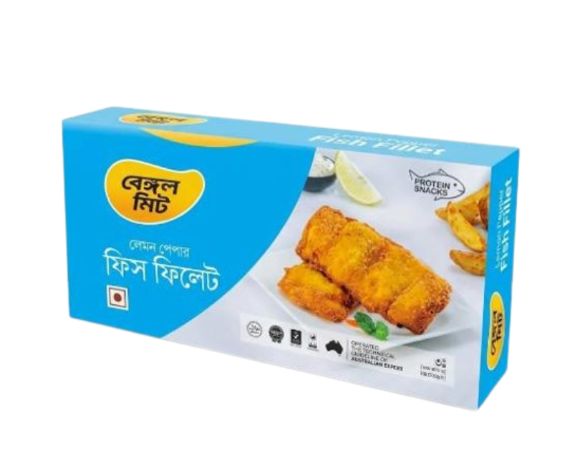
Bengal Meat Lemon Pepper Fish Fillet 320gm
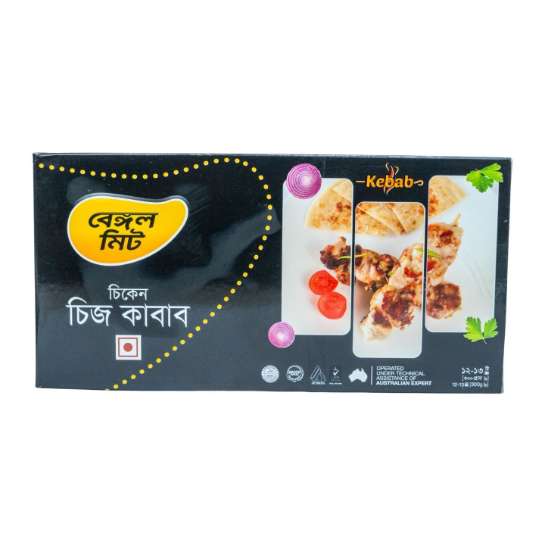
Bengal Meat Chicken Cheese Kebab 300gm
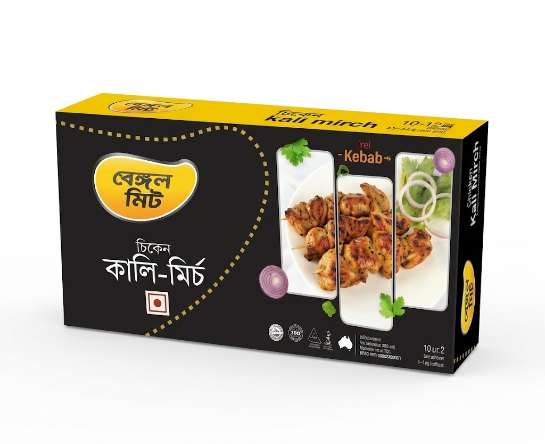
Bengal Meat Chicken Kali Mirch Kebab 300gm
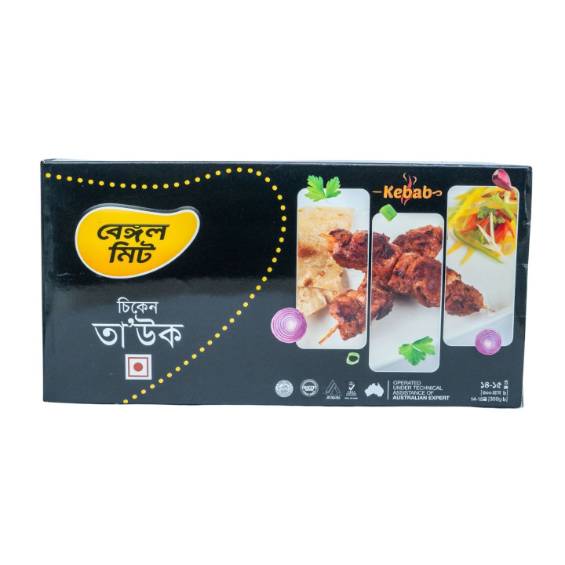
Bengal Meat Chicken Tawook 300gm
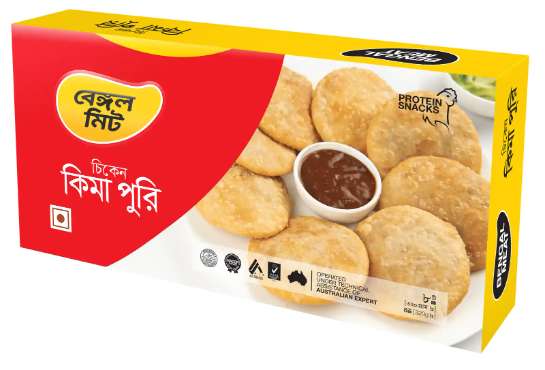
Bengal Meat Chicken Keema Puri 320gm
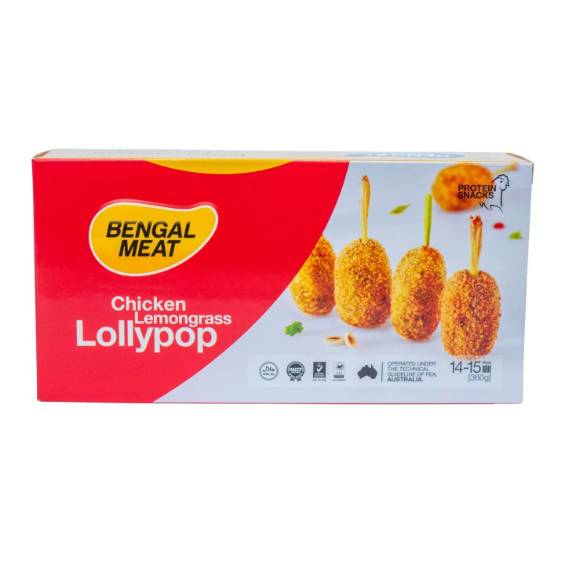
Bengal Meat Chicken Lemon Grass Lollypop 360gm
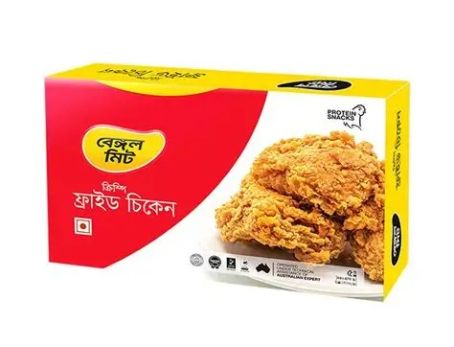
Bengal Meat Crispy Fried Chicken 450gm
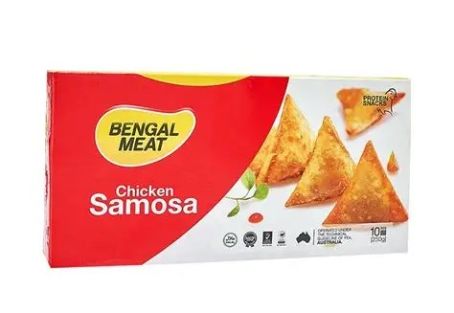
Bengal Meat Chicken Samosa 250gm
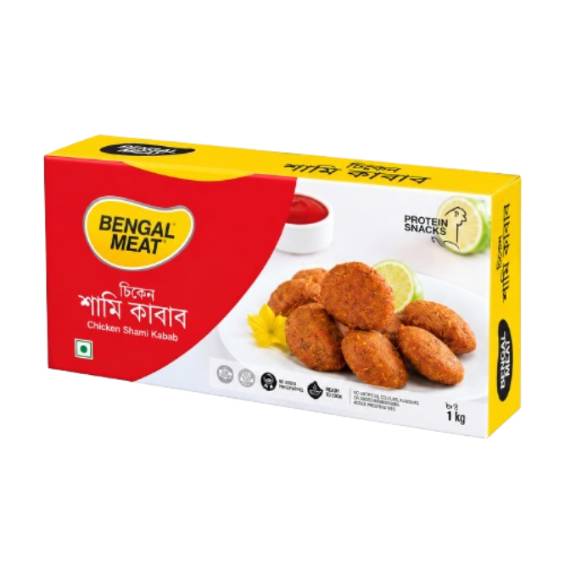
Bengal Meat Chicken Shami Kabab 280gm

Bengal Meat Chicken Kids Nuggets 250gm
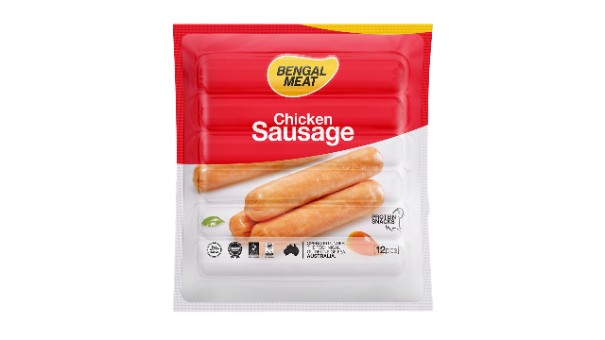
Bengal Meat Chicken Sausage 270gm

Bengal Meat Chicken Pops 250gm
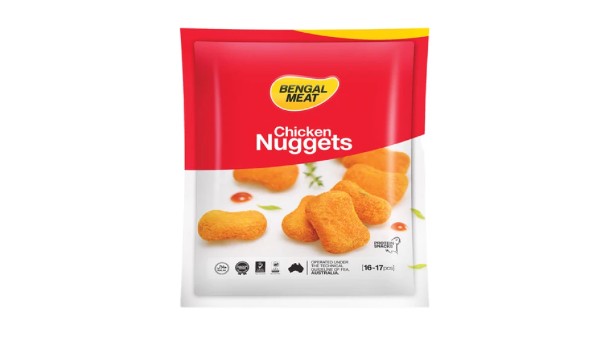
Bengal Meat Chicken Nuggets 250gm
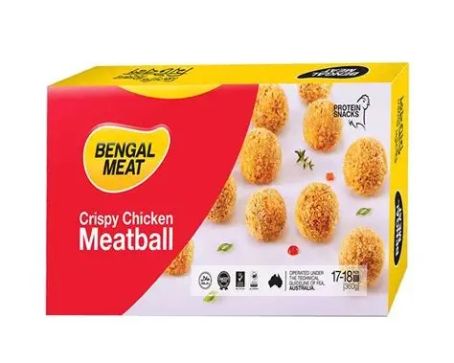
Bengal Meat Chicken Meatball 300gm
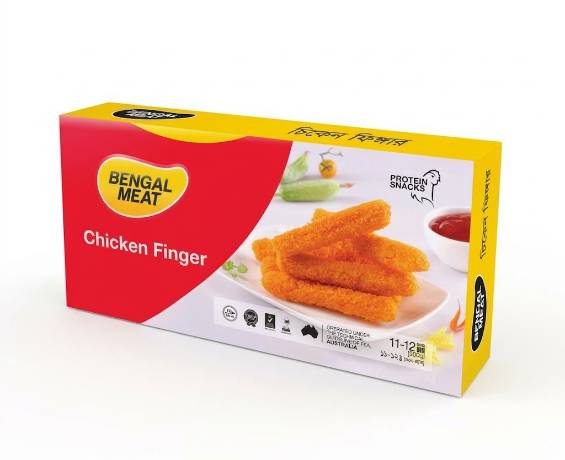
Bengal Meat Chicken Finger 200gm
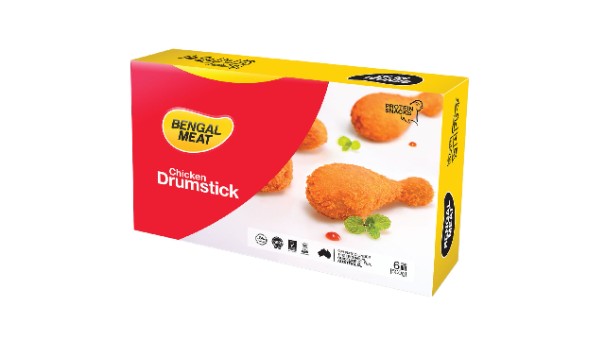
Bengal Meat Chicken Drumstick 500gm
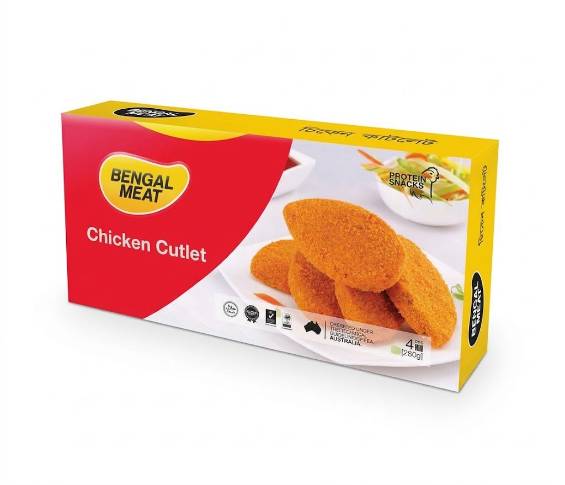
Bengal Meat Chicken Cutlet 280gm
Description :
Buying fish is the part of the week nobody enjoys. Early, wet, crowded, and you still have to clean it when you get home. Frozen fish removes all of that — cleaned, cut, portioned and delivered — and the objection people raise about it is usually based on a misunderstanding.
Frozen isn't the compromise people assume
The instinct here is that fresh beats frozen. In practice, it depends entirely on what "fresh" means.
Fish sold as fresh has usually been out of the water for a day or more, sitting on ice through transport and a market stall, gradually losing quality the whole time. Fish frozen shortly after catch stops at that point — it doesn't keep deteriorating.
So the honest comparison isn't fresh against frozen. It's fish frozen a few hours after catch against fish that's been on ice for a day and a half. Frozen frequently wins that comparison, particularly for anything that travelled a distance to reach the market.
What frozen fish can't match is the texture of something genuinely caught that morning. If you live near a landing and buy at dawn, that's better. For everyone else, this is the more reliable option.
What's in the range
Chhuya covers most of it, across river and sea fish:
River fish — rui and katla in slices, tengra, gulsha, taki, shoul, baila and mola.
Sea fish — koral, rupchada and Indian salmon.
Fillets — pangash and telapia, boneless and portioned.
Shrimp — chaka chingri and brown shrimp, headless.
Frozen chicken — meatballs and sausage from Organik.
What it costs, by the kilo
Fish prices here vary by a factor of nearly three, and the per-kilo figures make the range clearer than the pack prices do.
Everyday, under BDT 700 a kilo:
Pangash fillet is the cheapest in the range at around BDT 550 a kilo — boneless, mild, and the sensible starting point if you're cooking for children or anyone who dislikes bones. Small baila comes in near BDT 600, rui slices around BDT 625 to 640, and telapia fillet at BDT 700.
Mid-range, BDT 700 to 1,100:
Katla slices sit around BDT 750, taki near BDT 900, tengra about BDT 1,000, and gulsha just above that.
Premium, above BDT 1,100:
Brown shrimp around BDT 1,160, chaka chingri near BDT 1,200, rupchada around BDT 1,250, koral and shoul at roughly BDT 1,300, and Indian salmon highest at about BDT 1,350.
One useful pattern:
Unlike the dry-goods categories on this site, the larger packs here do carry a genuine per-kilo saving. Rui at 1kg works out a little cheaper than the 500g, and the same holds for katla and gulsha. The saving is modest — a few percent — but it's real, which isn't true everywhere on the site.
Which fish for which dish
Rui and katla are the everyday curry fish. Bone-in slices, firm flesh, and they hold together in a gravy without breaking up. Rui is slightly leaner; katla has more fat around the belly and a fuller flavour.
Pangash and telapia fillets are the boneless options — mild, quick to cook, and the safest choice for children. They suit frying, baking and light curries rather than long-cooked gravies, where they can fall apart.
Tengra and gulsha are small, bony and intensely flavoured — the fish people buy when they want something that tastes of the river rather than something convenient.
Taki is the bhorta fish. Boiled, mashed with mustard oil, onion and chilli, it's a dish in its own right rather than a curry ingredient.
Koral, rupchada and Indian salmon are the occasion fish. Firmer, richer, and priced accordingly — koral for frying and grilling, rupchada for a whole-fish preparation, Indian salmon for anything where you want a substantial piece.
Shrimp goes into everything from a light curry to malai chingri, and the headless packs save you the job.
How to thaw frozen fish properly
This decides whether frozen fish tastes good or disappointing, and most people get it wrong.
In the refrigerator, overnight. That's the correct method and there's no real substitute. Slow, even thawing keeps the flesh firm and holds the moisture in.
Not at room temperature. Leaving fish on a counter thaws the outside long before the middle, which costs texture and creates a food-safety window you don't want in this climate.
Not in hot water. It partially cooks the outer layer and turns the texture mushy.
If you're short of time, seal the fish in a bag and submerge it in cold water, changing the water every twenty to thirty minutes. Considerably faster than the fridge, and it doesn't damage the texture the way warm water does.
Pat it dry before cooking. Thawed fish holds surface water, and wet fish steams in the pan instead of browning — which is the most common reason fried fish comes out pale and soft.
Don't refreeze
Once fish has fully thawed, cook it. Refreezing costs texture badly — ice crystals form and rupture the flesh, and what comes out the second time is noticeably softer and drier.
Take out what you'll cook, and put the rest back in the freezer before it starts to thaw. If you've thawed more than you need, cook all of it and refrigerate the cooked fish instead.
Storage and delivery
Frozen items travel packed for transit and should go into the freezer promptly on arrival rather than being left with the rest of the shopping.
Keep the freezer at a steady -18°C or below. What shortens the life of frozen food in practice is temperature swings rather than time — a freezer opened constantly, or a bag left out on the counter while you decide what to cook.
Check the pack on arrival. Heavy ice crystals inside the bag, or a pack that feels soft rather than solid, suggest it has partially thawed at some point, and that's worth raising with support rather than cooking.
Frequently Asked Questions:
Is frozen fish as good as fresh?
It depends what fresh means. Fish frozen shortly after catch stops deteriorating at that point; fish sold as fresh has often been on ice for a day or more and is still declining. The honest comparison is between those two states rather than against fish caught an hour ago.
Does freezing change the taste?
Not meaningfully. It can change texture slightly if the fish was frozen slowly or has been thawed and refrozen. Properly frozen fish, thawed properly, cooks and tastes very close to fresh.
Why does my fried fish come out pale and soft?
Usually surface moisture. Thawed fish holds water, and wet fish steams rather than browns. Pat it thoroughly dry with a cloth or paper before it goes in the pan.
Can I refreeze fish I've thawed?
No. Refreezing ruptures the flesh with ice crystals and the result is noticeably softer and drier. If you've thawed too much, cook all of it and refrigerate what you don't eat.
Is the 1kg pack better value than the 500g?
Yes, though modestly — a few percent per kilo on rui, katla and gulsha. Worth taking if you'll use it, but it isn't the dramatic saving bulk buying sometimes implies.
How much fish should I buy per person?
Roughly 150 to 200g per adult for a main course, so a 500g pack covers three people and a 1kg pack covers five or six. Bone-in slices need a little more than fillets, since not all of the weight is edible.