

Household & Cleaning
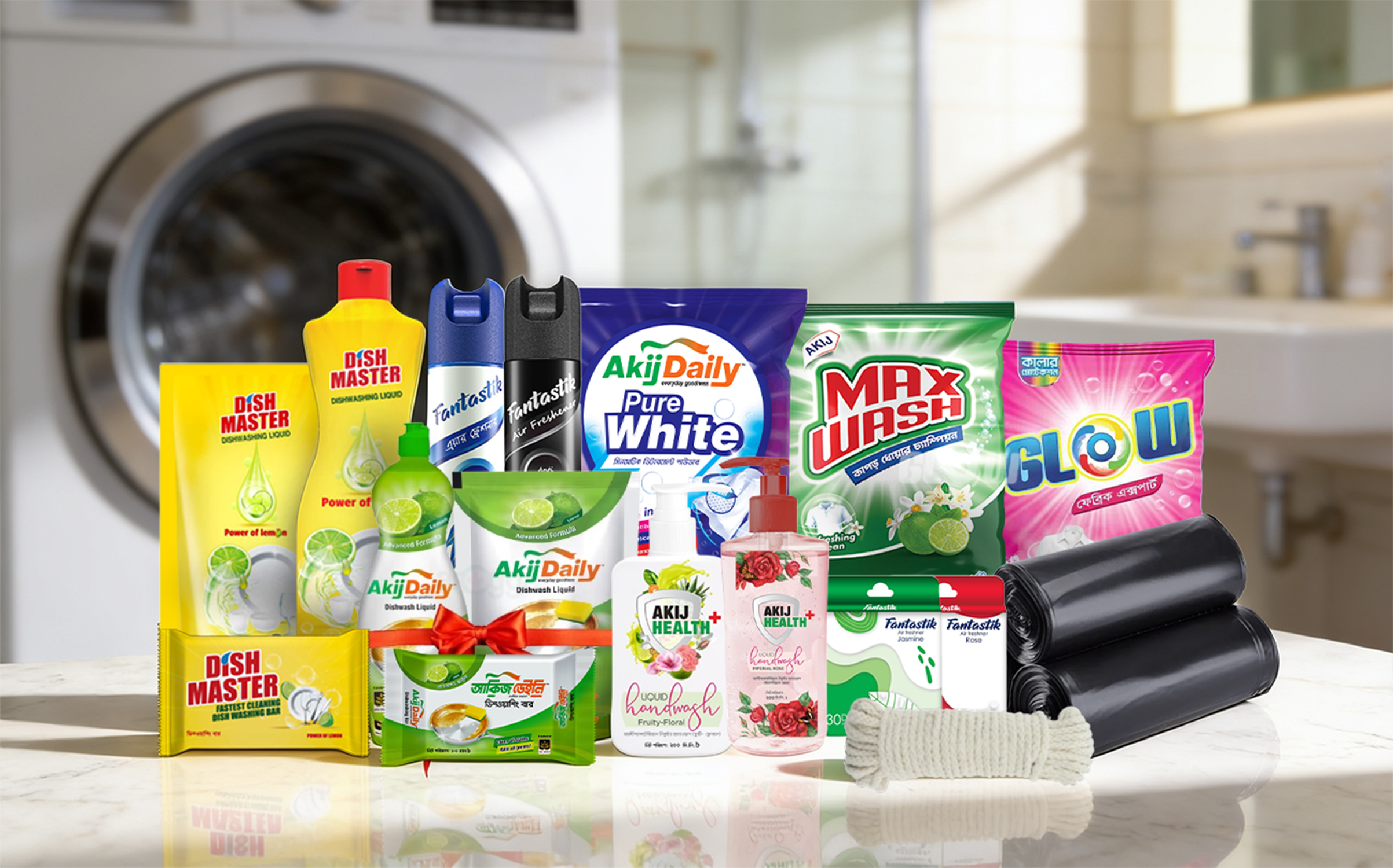
Products in Household & Cleaning
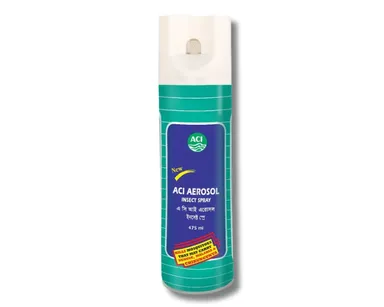
ACI Aerosol 475 ml
.jpg)
ACI Aerosol 800ml
.jpg)
ACI Cockroach Spray 400 ml
_(1).jpg)
Harpoon Toilet Cleaner 500ml-Buy 1 Get 400gm Free
_(1)_(1)_(1)_(1).jpg)
Safe Hands Wash Purple 300ml - Buy 2 Get 1 Free
_(1)_(1).jpg)
Safe Hands Wash Green Apple 350ml - Buy 1 Get 300ml Free
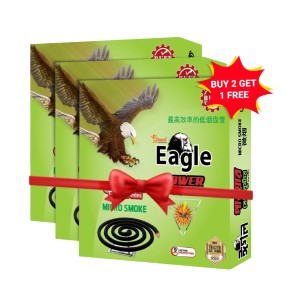
Eagle Power Mega Booster Mosquito Coil Buy 2 Get 1 free
.jpg)
Eagle One Straight Shooter Coil Buy 3 Get 1 free
.jpg)
Lemon Bright Dish Wash 250ml Buy-3 Get-1 free
.jpg)
Lemon Bright Dish Wash Bar 100gm - Buy 3 Get 1 free
.jpg)
Lemon Bright Dish Wash Bar 300gm (Buy 3 Get 1 free)
.jpg)
Mr. White Detergent Powder 1kg - Buy 1 Get 500gm Lemon White free
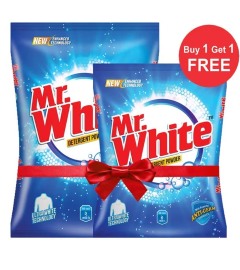
Mr. White Detergent Powder 2kg (Buy 2kg Get 1 kg free)
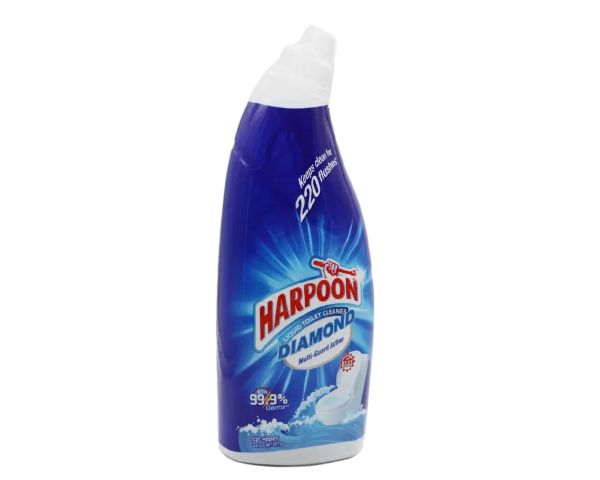
Harpoon Diamond Toilet Cleaning 1 Ltr
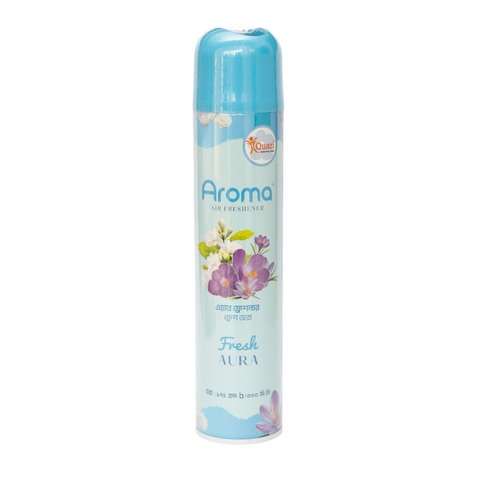
Aroma Air Freshener Fresh Aura 300ml
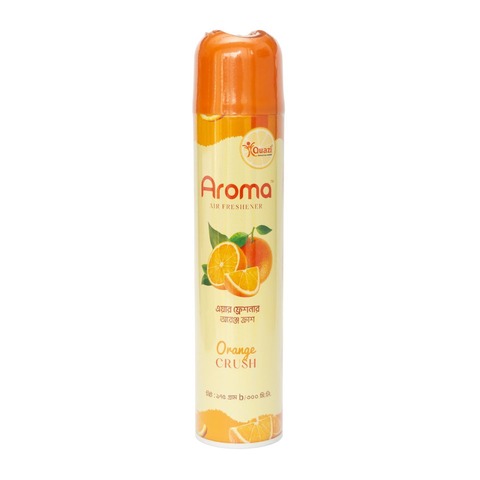
Aroma Air Freshener Orange Crush 300ml
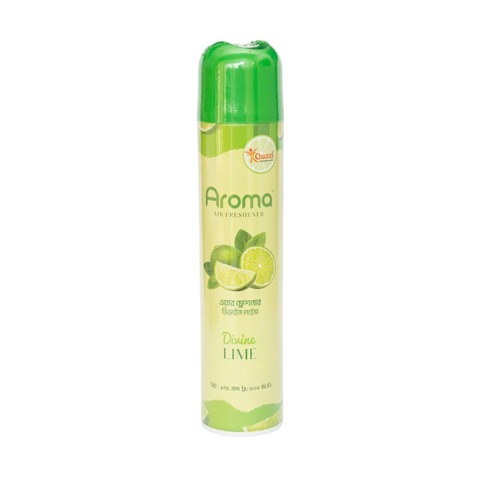
Aroma Air Freshener Divine Lime 300ml
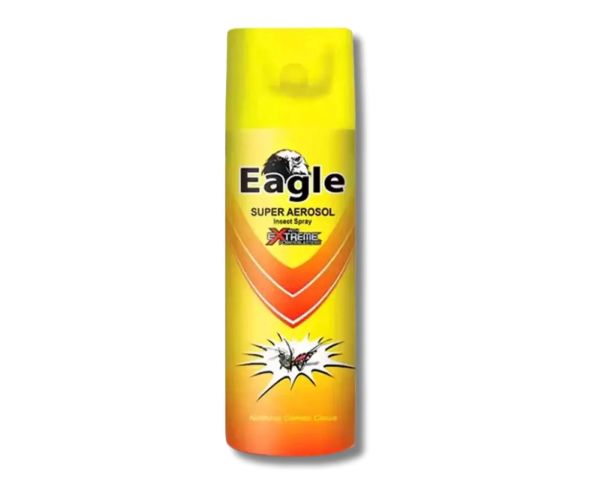
Eagle Super Aerosol 250ml
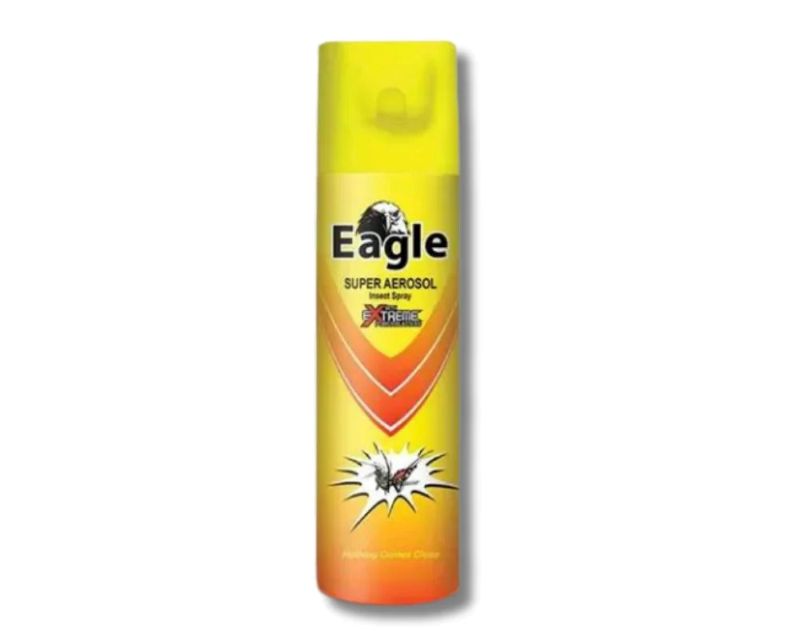
Eagle Super Aerosol 475ml
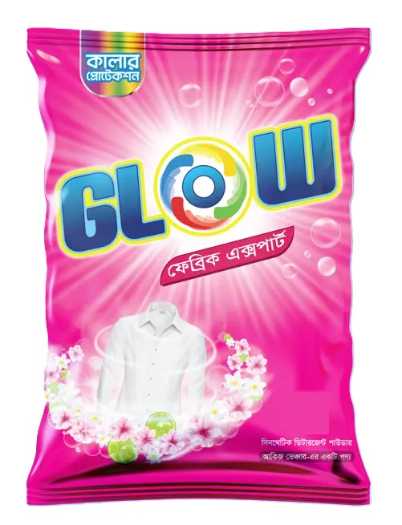
Glow Detergent Powder 500gm
Description :
Cleaning products are the least interesting thing on any shopping list and the most annoying to run out of. Nobody plans for the detergent finishing mid-wash or the toilet cleaner being empty when guests are due. Metromart stocks the everyday range — and because these are the products most often bought on offer, it's worth knowing which ones are genuinely worth stocking up on.
What's in the Household & Cleaning range?
Laundry detergent in powder form, dish wash in bars and liquid, toilet and bathroom cleaners, insecticide aerosols and mosquito coils, air fresheners, hand wash and tissue. Brands include ACI, Eagle, Harpoon, Lemon Bright, Mr. White, Aroma and Safe, delivered across Bangladesh.
Most of the category runs on promotion — buy-one-get-one and buy-three-get-one offers appear on detergent, dish wash and coils regularly.
How do you keep mosquitoes down through monsoon?
Control the breeding sites first, then use coils and sprays for the mosquitoes already there. Aedes mosquitoes — the ones that carry dengue — breed in clean standing water close to the house: flower pot trays, buckets, water tanks, AC drip trays, discarded containers and roof gutters.
Emptying and scrubbing those weekly does more than any product, because it stops the next generation rather than killing the current one. Coils, aerosols and nets then handle what's already indoors.
Through monsoon, when demand for coils and sprays peaks, the households with the fewest mosquitoes are generally the ones checking their surroundings rather than burning the most coils.
What do you need for laundry?
For most households, one detergent does everything. Powder is cheaper per wash and handles heavy soil and mud well, which suits hand washing and general family laundry here.
The mistake worth avoiding is using more than the pack says. Excess detergent doesn't clean better — it fails to rinse out, leaving residue that stiffens fabric, dulls colour and holds odour. Washing that comes out feeling slightly rough or smelling faintly stale is usually over-dosed rather than under-washed.
Dissolve powder in water before adding it to clothes rather than tipping it directly on. Undissolved powder is the usual cause of white streaks on dark fabric.
How do you deal with damp and mould in this climate?
Ventilation first, cleaning second. Bathrooms and kitchens here stay damp for months, and mould grows on any surface that doesn't dry between uses — grouting, window frames, the underside of bathroom shelves.
Open windows after showering where you can, wipe down wet surfaces, and don't leave damp cloths and mops bunched up. A mop left wet in a bucket becomes the smell it's supposed to be removing.
Bathroom and toilet cleaners handle the surfaces. What they can't fix is a room that never dries out, which is why the same patches keep returning after cleaning.
Which products are worth keeping stocked?
The ones you use continuously and that don't deteriorate: detergent, dish wash, toilet cleaner and tissue. All of them keep well unopened, all of them get used at a predictable rate, and all of them appear on multipack offers regularly. Buying ahead on these is straightforwardly sensible.
Two exceptions. Bleach loses strength from the date of manufacture and is noticeably weaker after about six months, so buy it as needed rather than in quantity. And fragranced products — air fresheners, scented detergent — fade over time and in heat, so buy what you'll use within a few months.
How do you get the most from the offers?
Check the price per unit rather than per pack, since the offer formats vary. Some are buy-one-get-one, some buy-three-get-one, and some give you a different product free — a 500gm detergent with a 1kg, or a soap with a hair oil. The last kind is only value if you'd have bought the free item anyway.
Offers in this category change frequently, so the price at checkout is what applies rather than anything quoted elsewhere.
What about hand washing and hygiene?
Frequency matters more than the product. Plain soap and water used properly for twenty seconds removes most of what's on your hands — it's the mechanical action of washing that does the work rather than any particular formulation.
Liquid hand wash is worth the extra cost at a shared basin, mainly because it doesn't sit wet in a dish between uses. Refills cost less per wash than buying new dispensers.
How should you store everything safely?
Out of reach of children, in original containers with labels intact, and never alongside food or in a cupboard used for food storage. Keep bleach and acid-based cleaners physically apart so they can't leak into each other.
Aerosols are pressurised — store them upright, somewhere cool, away from heat sources and never in a car or near a stove.
Frequently Asked Questions:
Question: Can I mix cleaning products together?
No — never mix cleaning products. Combining them can produce toxic gas in seconds, and it happens in ordinary bathrooms with ordinary products.
The two combinations that matter most:
Bleach and acidic toilet cleaner release chlorine gas. Most toilet cleaners are acid-based, so this is the likeliest mix to happen by accident — using one straight after the other in the same bowl, or pouring both in together to "clean it properly".
Bleach and ammonia release chloramine vapours. Ammonia appears in some glass and multi-surface cleaners.
If you're switching products in the same place, rinse thoroughly with water first and ventilate the room. And if you ever notice a sharp, choking smell while cleaning, leave immediately and open everything up — that's the warning, and it comes fast.
Question: How do I use an aerosol insecticide safely?
Spray into the room, leave, close the door, and stay out for the time stated on the can before going back in and ventilating. Cover or remove food, drinking water, plates and utensils first.
Three further points. Aerosols are flammable — never spray near a stove, a lit coil, a candle or any open flame. Keep it away from aquariums, since the active ingredients in most household insecticides are highly toxic to fish. And don't spray directly onto bedding or a child's mattress; treat the room, not the surfaces people sleep on.
Question: Are mosquito coils safe to use indoors?
They're widely used, but they burn and they produce smoke, so ventilation matters. Use them in a room with airflow rather than a sealed one, and don't leave one burning in a closed bedroom all night with the windows shut.
The fire risk is the more immediate concern. Place the coil on its metal stand on a hard, non-flammable surface, well away from curtains, mosquito nets, bedding and paper. Coils burn for hours unattended, which is exactly when accidents happen.
For infants, the very elderly, or anyone with asthma or a respiratory condition, a net or a plug-in device is the gentler option.
Question: How should I store cleaning products at home?
High up or locked away, out of reach of children, and never under the sink alongside anything used for food. Keep everything in its original container with the label intact — decanting cleaner into a water bottle is how serious accidents happen.
Store upright, somewhere cool and out of direct sunlight. Aerosols in particular should never be kept near heat or in a car, since the cans are pressurized.
Keep bleach and acid-based cleaners physically apart, so they can't leak into each other.
Question: What should I do if a cleaning product gets on my skin or in my eyes?
Rinse immediately with plenty of running water — for eyes, keep rinsing for at least fifteen minutes, holding the eyelid open. Remove any contaminated clothing.
Seek medical attention for eye contact, for any burning or blistering of the skin, and for anything swallowed. Take the product container with you so the ingredients can be identified.
Don't try to neutralize a chemical with another chemical, and don't induce vomiting if something has been swallowed unless a medical professional tells you to.
Question: Is it safe to use insecticide around children and pets?
Follow the instructions on the pack, and treat rooms when children and animals aren't in them. Keep everyone out for the stated period, then ventilate thoroughly before anyone returns.
Cats are more sensitive than dogs to some insecticide ingredients, and fish are extremely sensitive — cover aquariums and switch off air pumps before spraying in the same room.
If anyone in the household has asthma or a respiratory condition, coils and aerosols are both worth reconsidering in favor of nets and screens.