
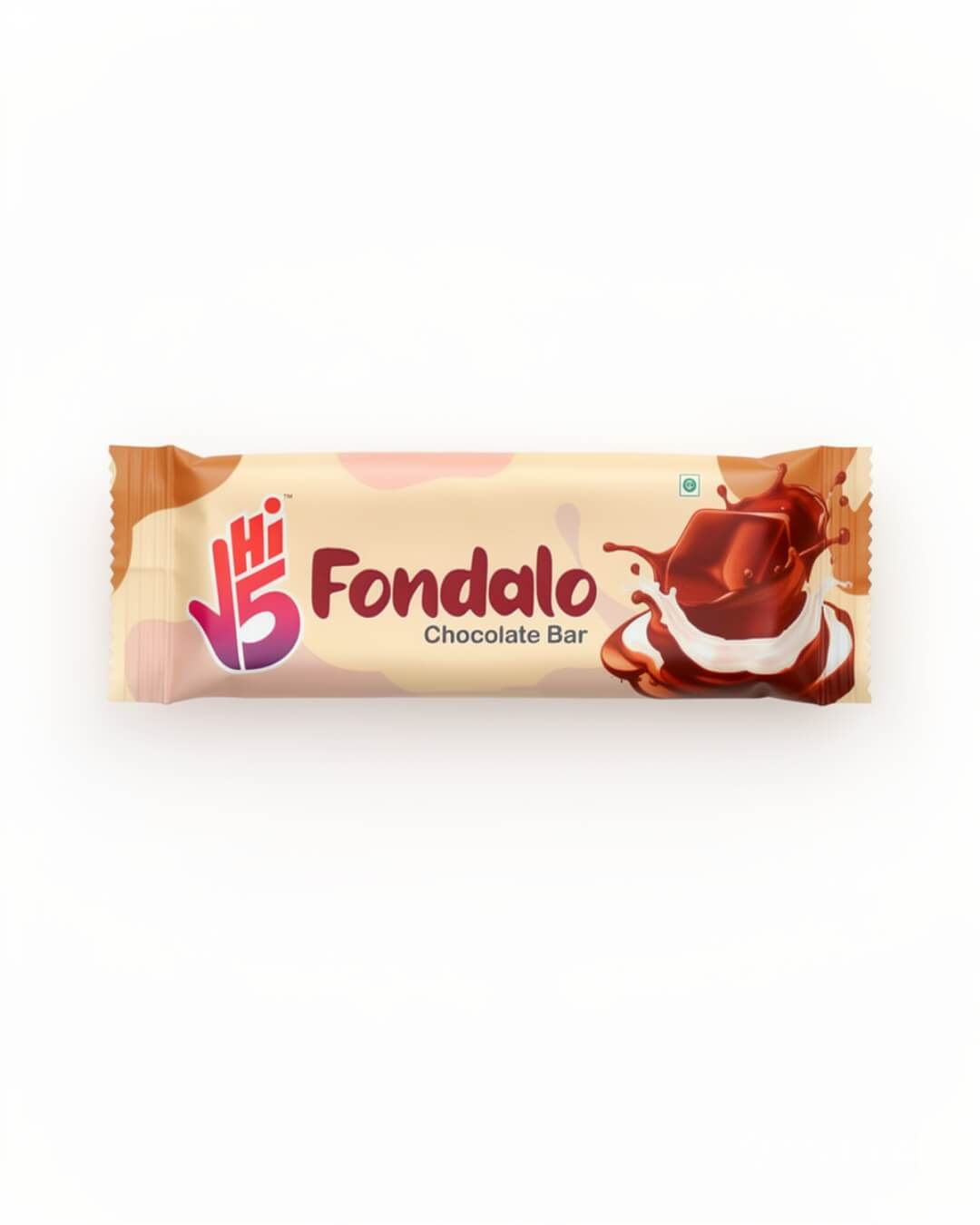
Hi5 Fondalo Chocolate Bar 400gm
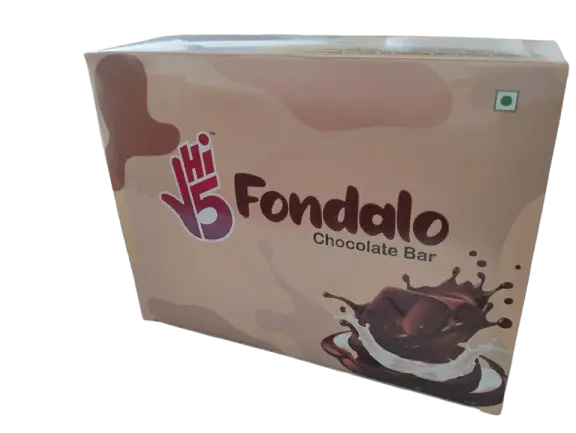
A 400gm box of twenty wrapped pieces — the chocolate you put out rather than eat alone
Choose quantity
Similar type of products
Description :
A 400-gram box of chocolate isn't bought for one person. It's bought for a table, a desk at work, a visit, or a moment when something needs to be handed round — which makes it a different product from a bar, even though it's the same chocolate.
What's in the box:
Twenty individually wrapped pieces of Hi5 Fondalo milk chocolate, made in Bangladesh by Akij Bakers.
It's a creamy milk chocolate rather than a dark one — sweet, smooth, and closer to what most people here mean when they say chocolate.
Twenty pieces at 400 grams works out at 20 grams each, which is a proper portion rather than a token one.
Why wrapped pieces beat a bar in this climate:
This is the argument for the format, and it matters more here than in a cooler country.
A solid bar is exposed the moment you open it. Whatever you don't eat sits in a part-opened wrapper, picking up humidity, softening in the heat, and taking on whatever else is in the cupboard.
Twenty wrapped pieces are twenty sealed packages. You open one; the other nineteen are untouched. A box opened in June is still giving you properly sealed chocolate in August.
It also solves the sharing problem. Nobody has to break a bar, nobody gets the awkward end piece, and handing one to someone is cleaner than offering a half-eaten bar.
And it handles portions without anyone having to think about it. Twenty grams is a sensible amount of chocolate; a 400-gram bar in front of you is not.
How long a box lasts:
Twenty pieces goes further than a bar of the same weight, and not only because there's more of it.
A bar tends to get finished. Once it's open it's in front of you, and the usual outcome is that it goes in one or two sittings regardless of how large it was.
A box of wrapped pieces doesn't work that way. Taking one is a decision each time, which means a 400-gram box typically lasts a household a week or more rather than an evening.
For an office or a shared space, twenty pieces covers a team for a few days. For guests, it covers an evening with plenty left. For a household, it's the kind of thing that sits in a cupboard and gets drawn on rather than consumed in one go.
That's worth knowing before choosing between this and a bar — they're bought for different patterns of eating, not just different quantities.
When a box like this earns its place:
For guests. Something to put out that doesn't need plating, cutting or preparing.
At an office. A box on a desk lasts and gets shared; a bar disappears in one sitting and gets shared with nobody.
As a gift. A sealed box presents properly in a way a bar doesn't, and chocolate keeps long enough that timing isn't a worry.
For a household that buys chocolate anyway. The wrapped pieces mean the last one is in the same condition as the first, which an open bar can't manage in this climate.
Around occasions — Eid, birthdays, visits — where a box is the expected form and a bar isn't.
Why chocolate turns white, and why it's fine
Worth knowing in this climate, because it looks alarming and isn't.
Chocolate that's warmed and then cooled often develops a pale film or greyish streaks. That's bloom, not mould.
Fat bloom is cocoa butter that warmed, separated and recrystallised on the surface — the streaky, matte look, and by far the more common here.
Sugar bloom happens when moisture reaches the surface, usually from condensation after moving chocolate from a fridge into a warm room, dissolves some sugar and then evaporates, leaving crystals behind.
Neither is harmful and neither means it's gone off. What they affect is texture and snap — bloomed chocolate is softer and less crisp, and the flavour is slightly muted.
Individually wrapped pieces are less prone to it than an open bar, since each one stays sealed until the moment it's eaten.
Storing it:
Cool, dry and steady:
The steady part matters more than the number on the thermometer. Bloom is caused by temperature swings rather than by warmth alone.
Avoid the fridge if you can:
It's the instinctive move in this heat, but a fridge is humid, chocolate absorbs odours readily, and taking it in and out causes the condensation that produces sugar bloom.
If you do refrigerate it:
Keep the box sealed in an airtight container and let it return to room temperature inside the container before opening. That stops moisture condensing on the surface.
Keep it away from anything strongly scented:
Chocolate picks up smells from a cupboard or fridge more readily than almost anything else.
Frequently Asked Questions
Longer than a bar of the same weight. An open bar tends to get finished in a sitting or two; a box of wrapped pieces lasts a household a week or more, because taking one is a decision each time.
In this climate, because the unopened pieces stay sealed. A bar is exposed the moment you open it and softens in the heat; nineteen wrapped pieces are untouched until you get to them.
In warm months it may arrive soft. Let it firm up at room temperature rather than putting it straight in the fridge, which causes condensation.
That's bloom, not mould. Either cocoa butter that warmed and recrystallised on the surface, or sugar crystals left behind when moisture evaporated. Neither is harmful.
Yes. It's softer and less crisp, and the flavour is slightly muted, but it's perfectly safe. If the texture bothers you, melt it into a cake or a drink — bloom disappears entirely on remelting.