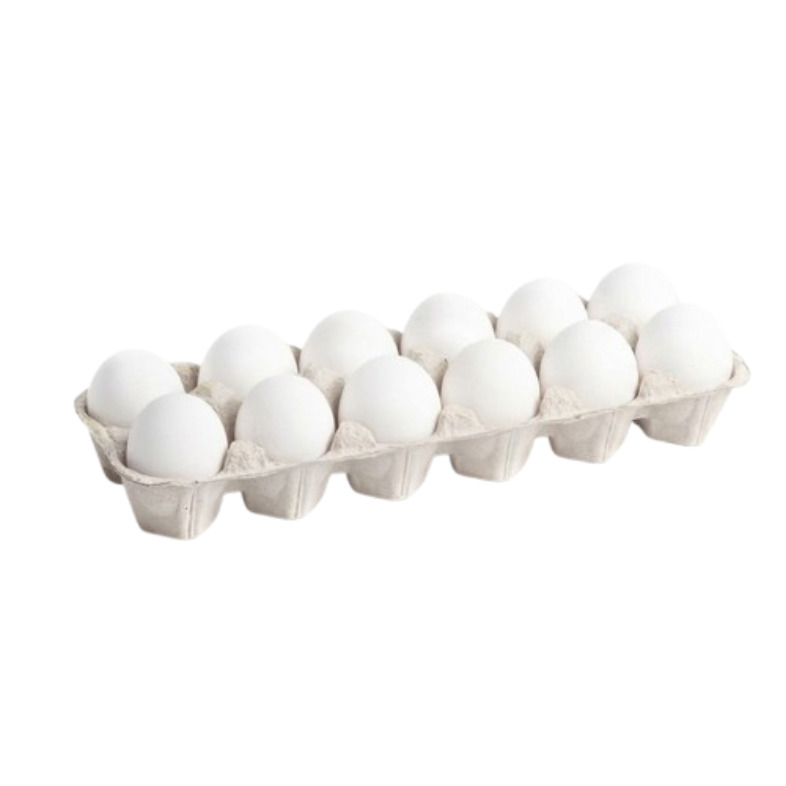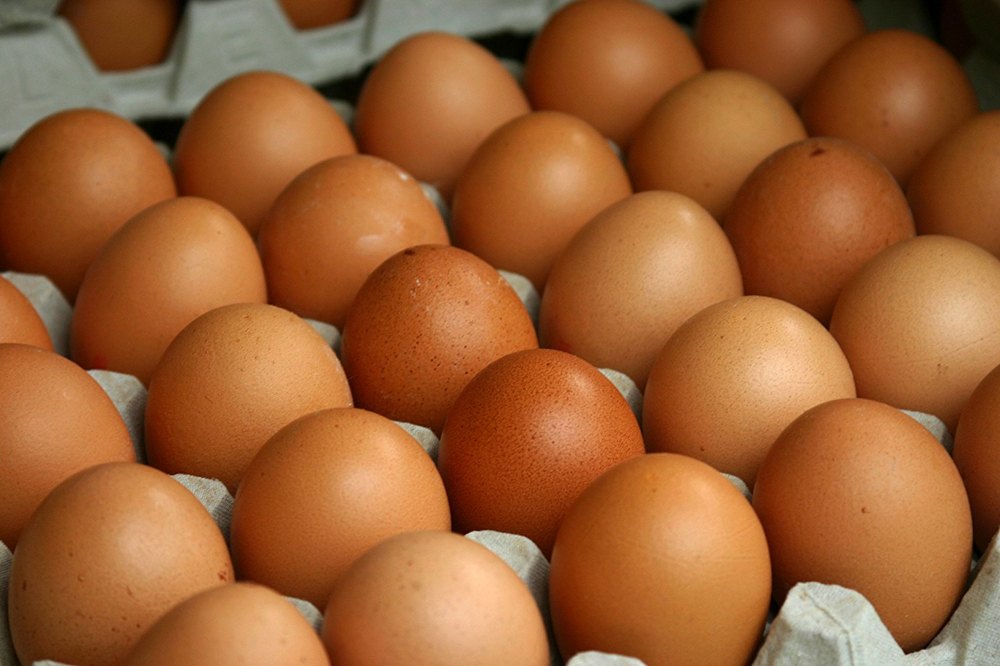

Organic Chicken Omega-3 Egg 12Pcs
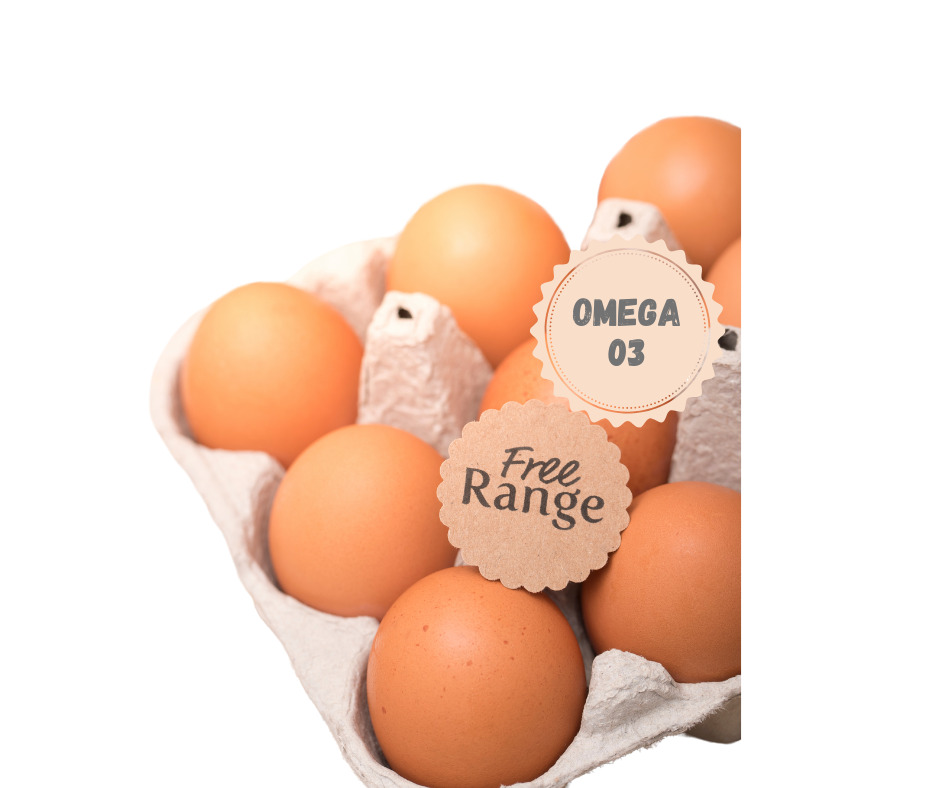
Organic Chicken Omega -3 Egg (Processed in organic method) 12Pcs Pack
Choose quantity
Similar type of products
Description :
Frequently Asked Questions
Side by side, the two look almost identical — the difference sits in the nutritional composition rather than the shell. The fatty acid profile of an egg reflects what the hen has been eating, so a diet richer in omega-3 produces eggs with more of it. Alongside that sits the difference in how the birds are kept: open-air roaming instead of permanent confinement, and no antibiotics or hormones at any point. In practice you're buying transparency about the whole production process, not just one nutrient.
The cost difference comes almost entirely from the farming method. Free-range systems need considerably more space per bird and time set aside for roaming, which raises production costs against conventional caged farming. Add to that a controlled feed made in-house rather than cheaper feed bulked out with animal by-products. And leaving out antibiotics and growth promoters means leaving out the shortcuts that speed up output. The price reflects the sum of those three decisions.
For most healthy adults, one egg a day is generally treated as a normal part of a balanced diet, and plenty of people eat two. But the right number varies from person to person depending on age, activity level and overall diet. If you're managing cholesterol, heart disease, diabetes or kidney issues, this isn't a decision to make from a product page — speak to your doctor or a registered dietitian about what fits your situation.
Eggs are a familiar, accessible source of protein for children, and they're quick enough to prepare that they suit breakfasts and tiffin boxes on a busy morning. For many parents, the absence of antibiotics and hormones is the reassuring part. If you're introducing eggs to a young child for the first time, watch for signs of allergy and follow your paediatrician's guidance on when and how to start.
It means the hens are not confined to cages around the clock. In favourable weather they're let out for a minimum of four hours a day into open ground, where they can walk, forage and behave much as they naturally would. That freedom of movement matters for the birds' health — and healthier hens are what good eggs come from.
Organik Chicken's farming policy excludes antibiotics, synthetic growth promoters and hormones outright. What replaces them is preventive: clean sheds, open-air access and a controlled feed, all aimed at reducing the likelihood of illness in the first place. The feed also excludes animal by-products such as poultry meal.