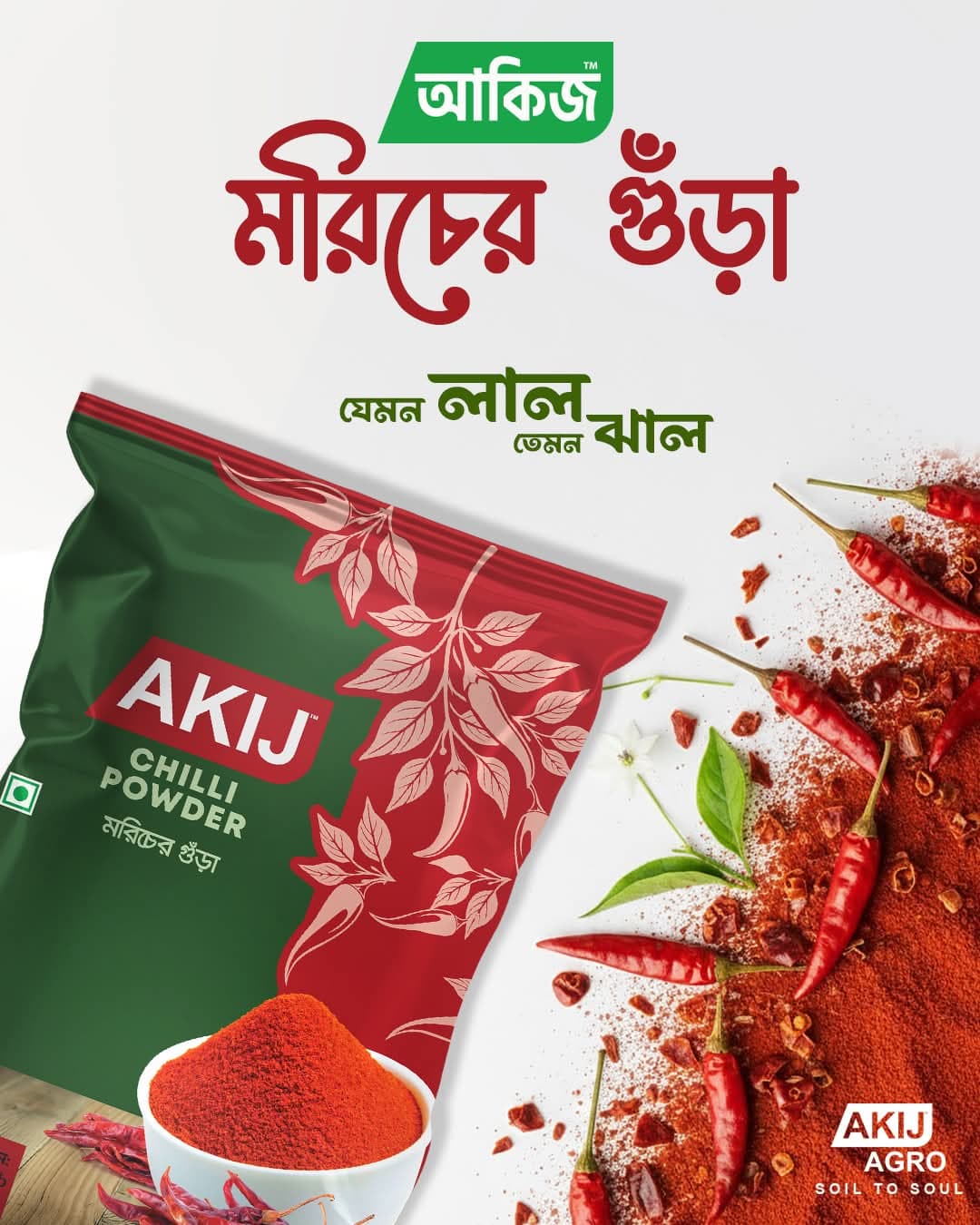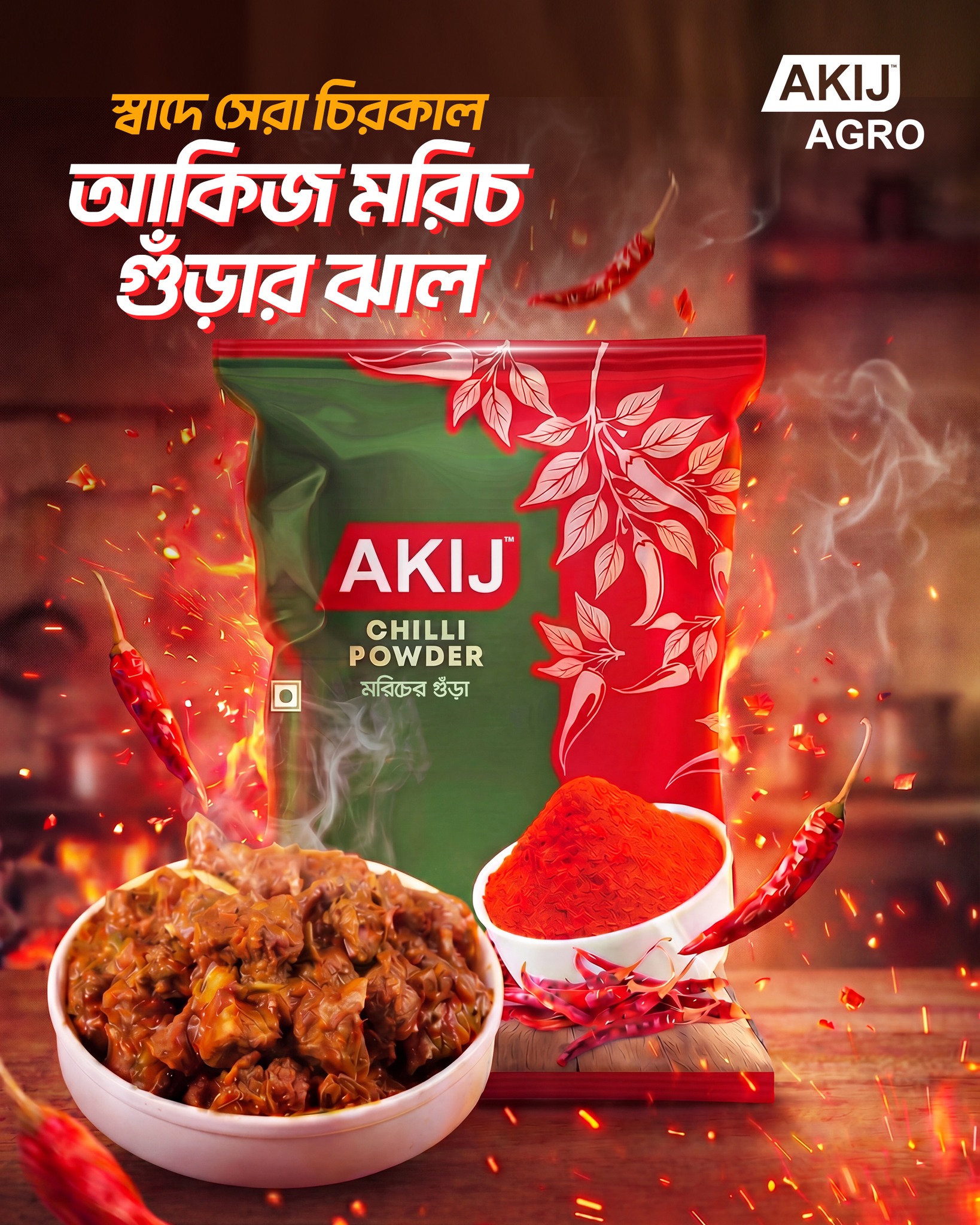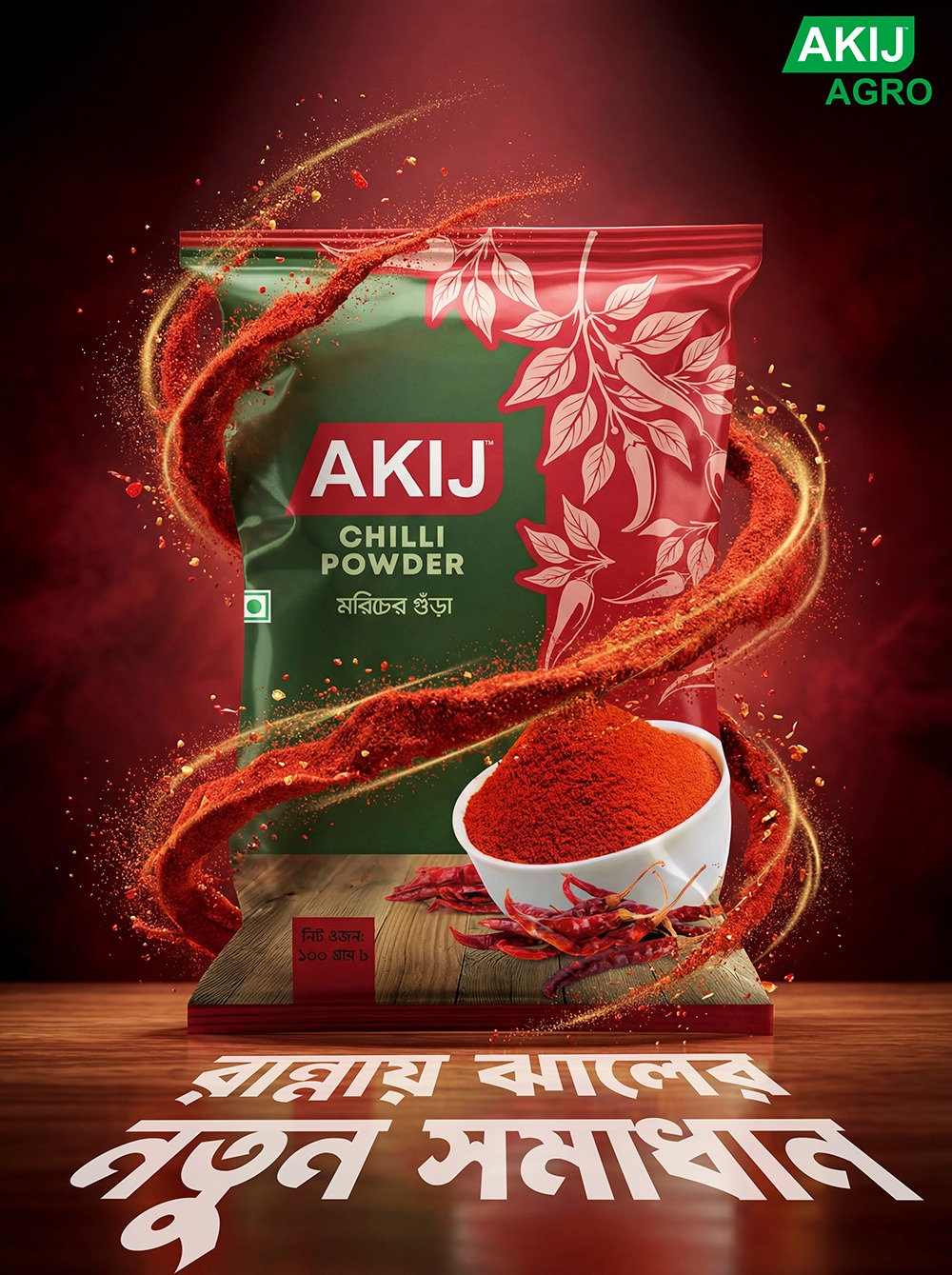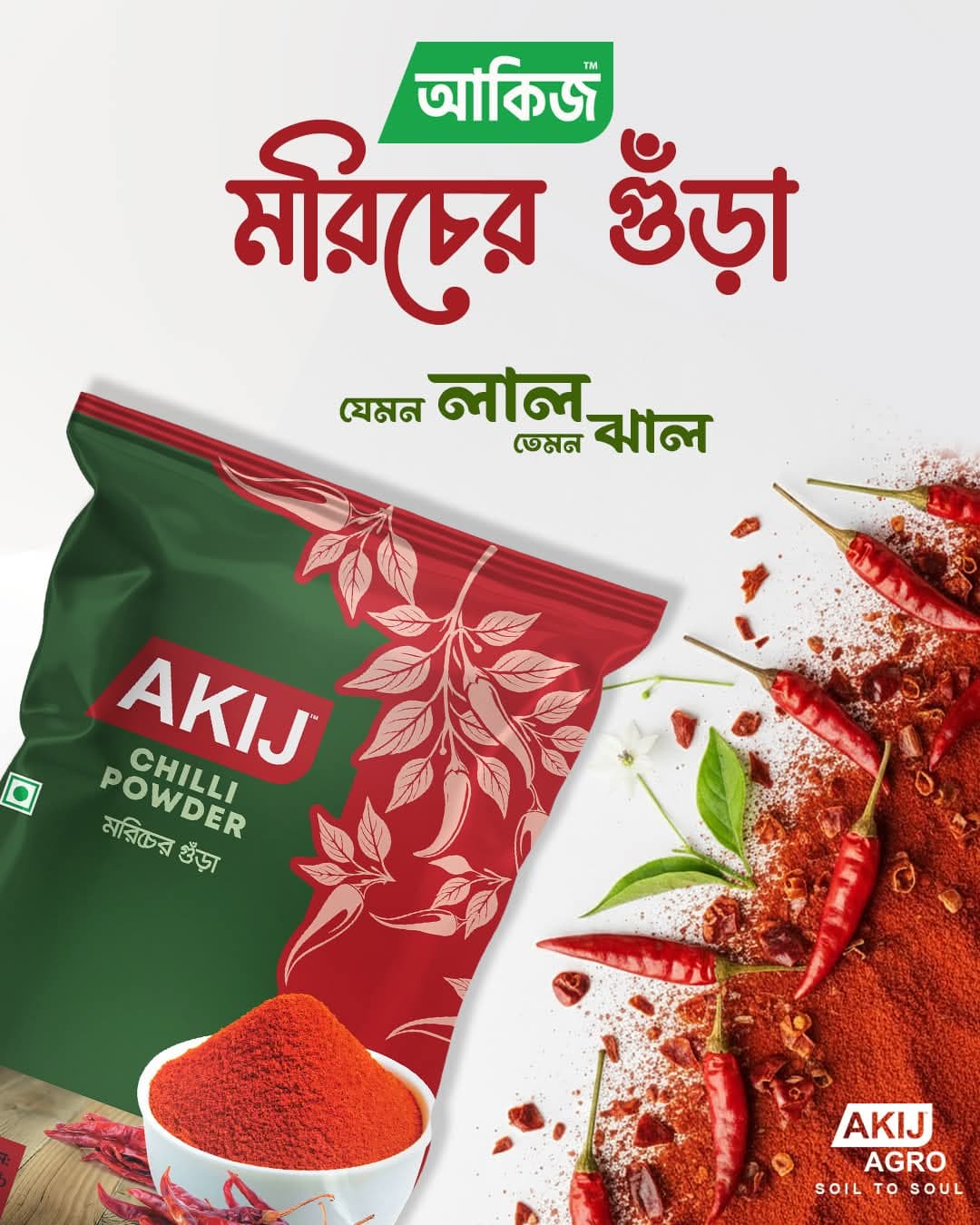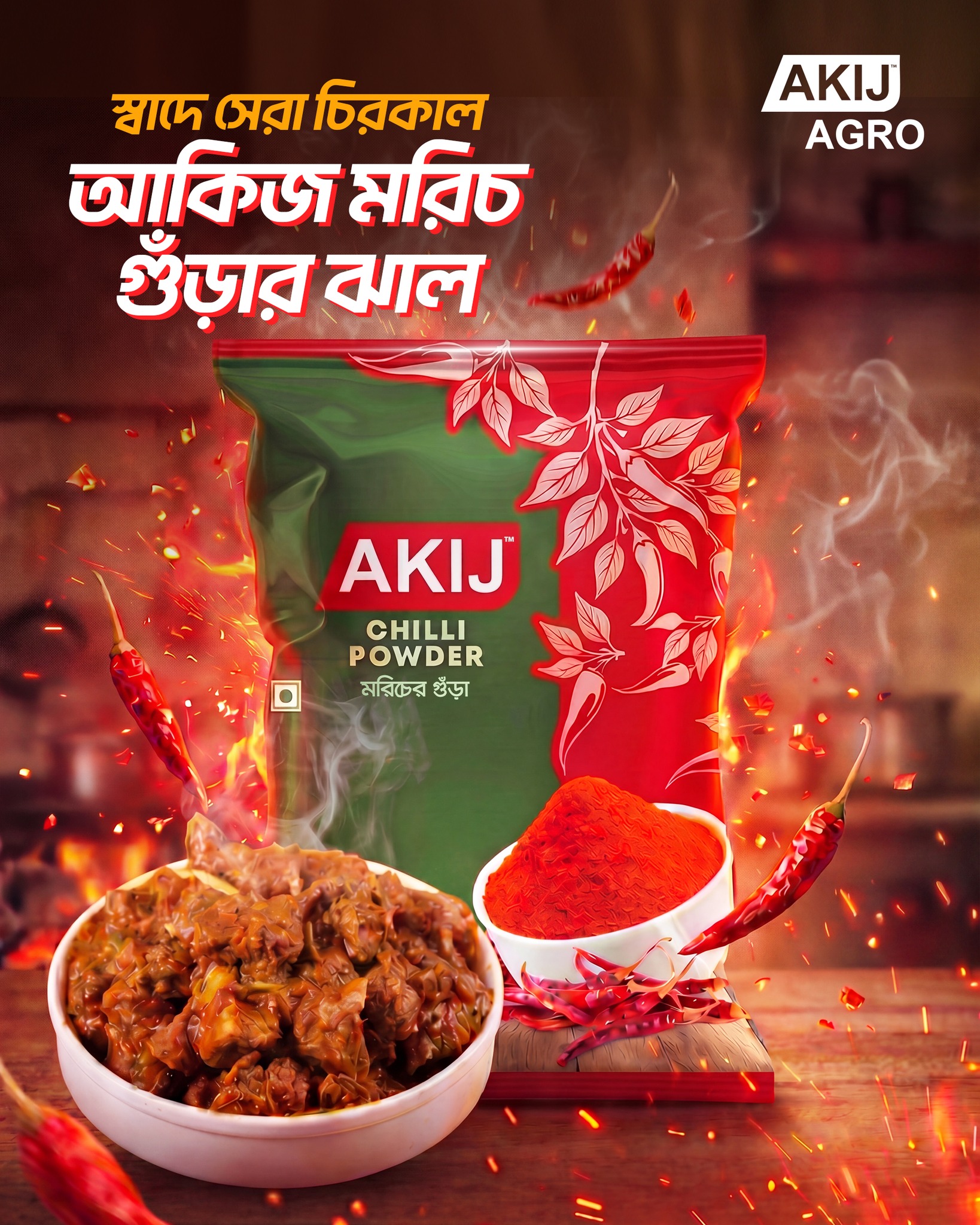

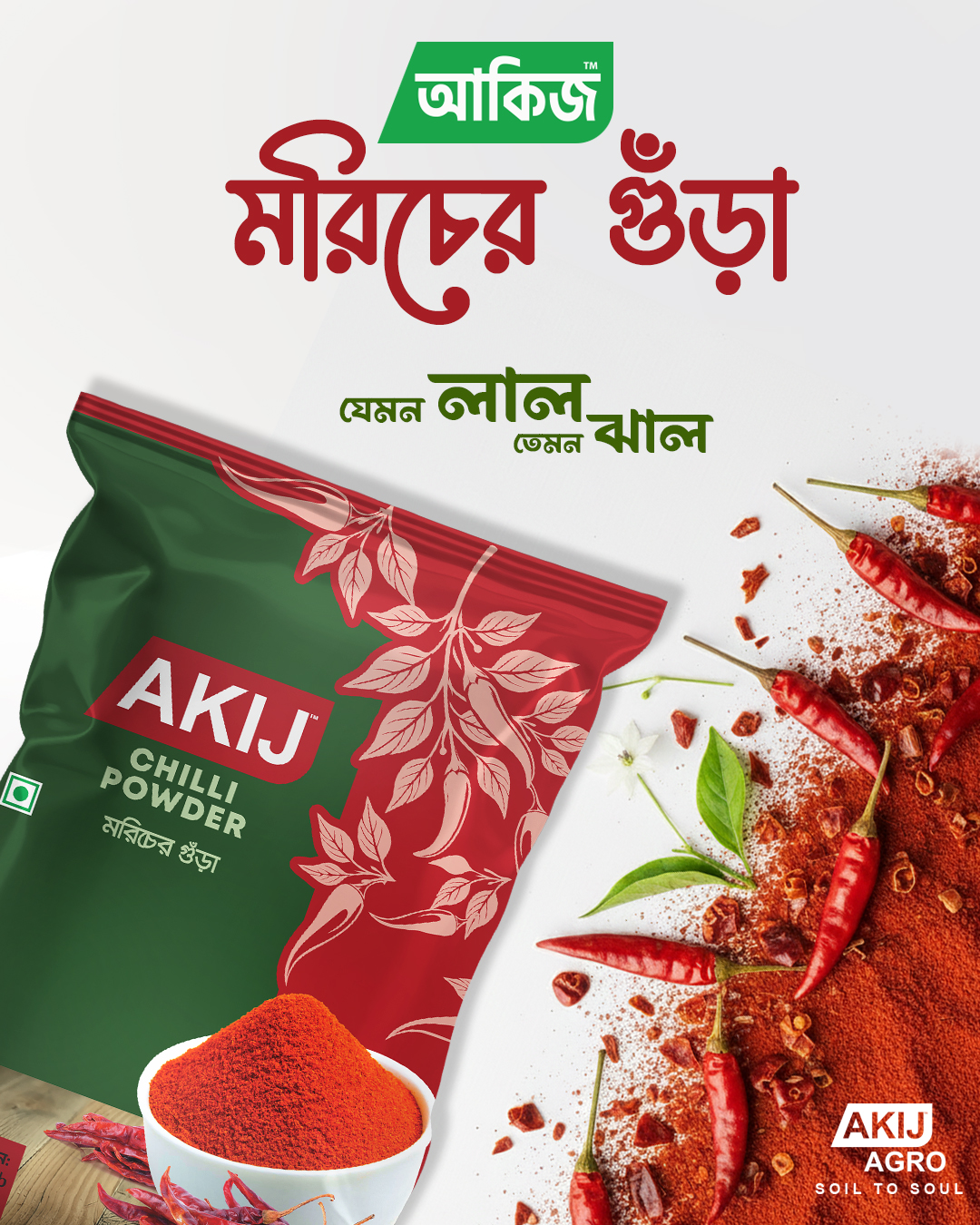
Akij Chilli Powder 1000gm
A kilo of pure chilli powder — under a taka of chilli per portion, if you store it properly.
Choose quantity
Similar type of products
Description :
Akij Chilli Powder 1000 gm is the size you buy when chilli stops being a grocery item and becomes a kitchen input. A restaurant, a tea stall, a caterer, a hostel kitchen, or simply a household that cooks for ten rather than four.
At that scale the questions change. Nobody buying a kilo is wondering whether they'll like it. They're working out what it costs per dish, and whether the last third will still be worth using.
Who a kilo is actually for
Commercial kitchens get through this in weeks rather than months, which removes the storage problem entirely and makes the per-kilo price the only thing that matters.
Caterers and event cooks
Buying for a specific job, where a kilo covers the event and the remainder goes into regular use.
Large or extended households
Cooking two full meals a day for eight or more.
Anyone who portions and stores properly
The group most often underserved by advice, and the section below is for them.
If none of those describes you, the 200gm is probably the better buy. It's only about 5% more per kilo, and the difference disappears the moment any of a larger pack goes stale.
What it costs per dish
This is the figure worth having if you're costing a menu.
A level teaspoon of chilli powder weighs roughly 2.5 grams, so a kilo is around four hundred teaspoons.
At two teaspoons for a curry serving four, that's two hundred dishes, or eight hundred portions. At BDT 632 the kilo, that works out at under one taka of chilli powder per portion.
For a kitchen pricing a menu, chilli powder is effectively a rounding error — which is worth knowing, because it means buying the better-quality sealed product rather than loose spice costs almost nothing per plate and removes a sourcing risk entirely.
The kilo isn't bought for the discount. It's bought because buying once beats buying five times, and because a kitchen that goes through it quickly has no reason to pay more per kilo for smaller packaging.
For a household that would take a year to finish it, the maths reverses: 5% saved is wiped out several times over by the portion that goes dull.
How to store a kilo so the saving is real
Ground chilli is at its best for roughly six months after opening and noticeably flatter after a year. It stays safe — it just stops tasting of much, and you compensate by using more, which eats the discount.
Portion it on day one:
Split the kilo into four or five smaller airtight containers rather than leaving it in one large one. Open one at a time and keep the rest sealed. The container in use is exposed to air every day; the others aren't exposed at all.
Glass or steel, not plastic:
Plastic absorbs oils and odours over time, and large plastic containers are the worst offenders because of the surface area.
Keep it cool, dark and away from the stove:
Air, light, heat and moisture are the four things that degrade ground spice, and a shelf above the cooker provides three of them.
Never dip a wet spoon in:
Moisture causes clumping and eventually mould, and in a kilo container it spoils far more than it would in a jar.
Freezing ground spice
For a kilo, this is worth doing and almost nobody does it.
Ground spices can be frozen:
It slows the loss of the volatile oils that carry aroma and flavour considerably. Portion into small airtight containers, freeze what you won't use within a couple of months, and keep one portion at room temperature for daily use.
One rule matters:
Let a frozen container come fully back to room temperature before opening it. Opening a cold container in a warm kitchen condenses moisture onto the spice, which is precisely what you were trying to avoid. Take out a portion, seal it, let it warm, then open.
Done properly, a kilo portioned and frozen on day one is still sharp a year later. Left in its original packet on a shelf, it won't be.
How much to use
For a curry serving four: one to two teaspoons for a mild dish, two to three for a properly spiced one. Bangladeshi cooking generally sits at the higher end.
For volume cooking, work from weight rather than spoons — roughly 5 to 7 grams per four portions gives a consistent result across batches in a way teaspoons don't.
When to add chilli in cooking
Early, in the oil with the onions and other spices, the powder releases its colour and deeper, rounder heat into the base. This is what gives a gravy its colour.
Late, near the end:
it stays sharper and sits on top — useful for adjusting a batch without rebuilding it.
Never on a dry, very hot pan alone:
Chilli powder scorches within seconds, and burnt chilli turns acrid in a way that can't be corrected. In a commercial kitchen that's a wasted batch rather than a wasted pan.
Why blooming spices in oil matters
Many of the flavour and colour compounds in ground spices are fat-soluble rather than water-soluble. Heating them briefly in oil releases those compounds into the fat, which carries them through the whole dish.
Stirring the same quantity straight into a watery gravy extracts considerably less — which at volume means using more spice for the same result, and that does show up in costs.
How long it keeps
Roughly six months from opening at room temperature, considerably longer frozen. Unopened and stored cool, go by the printed date.
The test is smell. Fresh chilli powder smells sharp and distinctly of chilli when the container opens. If it smells of very little, it's done its work.
Frequently Asked Questions
Commercial kitchens, caterers, hostel and canteen kitchens, large households, and anyone who portions and stores spice properly. If a kilo would take you a year to finish, the 200gm is the better buy.
Only about 5% per kilo against the 200gm. The big savings in this range happen earlier — a quarter off between the 15gm and 50gm, another 8% between the 100gm and 200gm. The kilo is bought for convenience and volume rather than discount.
A kilo is roughly four hundred teaspoons. At two teaspoons per curry serving four, that's two hundred dishes or eight hundred portions — under one taka of chilli per portion at BDT 632 the kilo.
Weeks in a commercial kitchen, months to a year in a household. That difference is the whole argument for or against this size.
Per kilo the 500gm is about 4% dearer, so the kilo is cheaper. But two sealed 500gm packs mean one stays unopened while you use the other — which, if you're not going to portion the kilo properly, is the easier way to get the same protection.
Portion it on day one into four or five small airtight containers, open one at a time, and keep the rest sealed. The container in use is exposed daily; the others aren't exposed at all.
Yes, and for a kilo it's worth doing. Freezing slows the loss of the volatile oils that carry aroma. Portion into small airtight containers and freeze what you won't use within a couple of months.
Condensation. Let a frozen container come fully back to room temperature before opening it — opening a cold container in a warm kitchen puts moisture straight onto the spice, which is the thing you were avoiding.
.jpg)