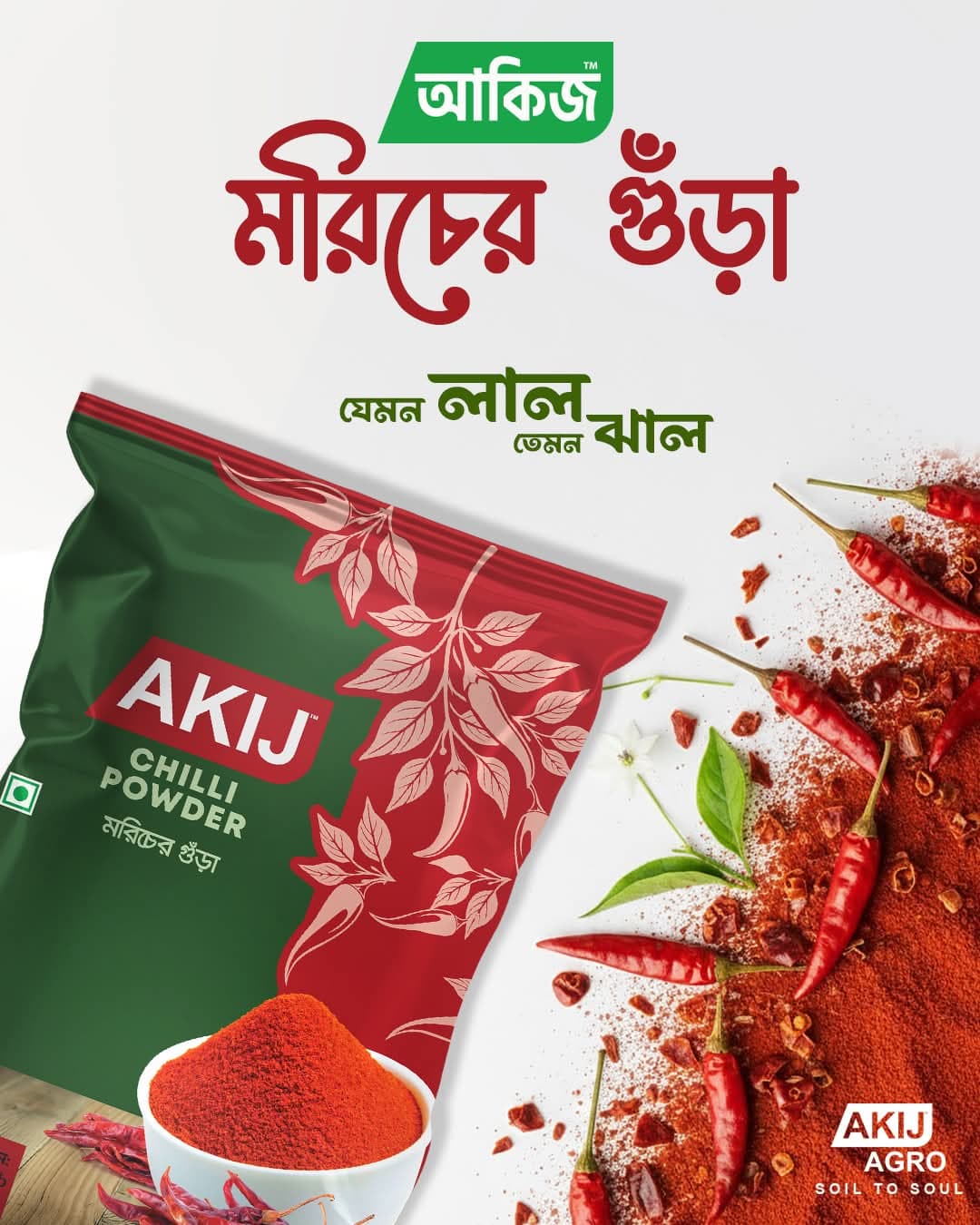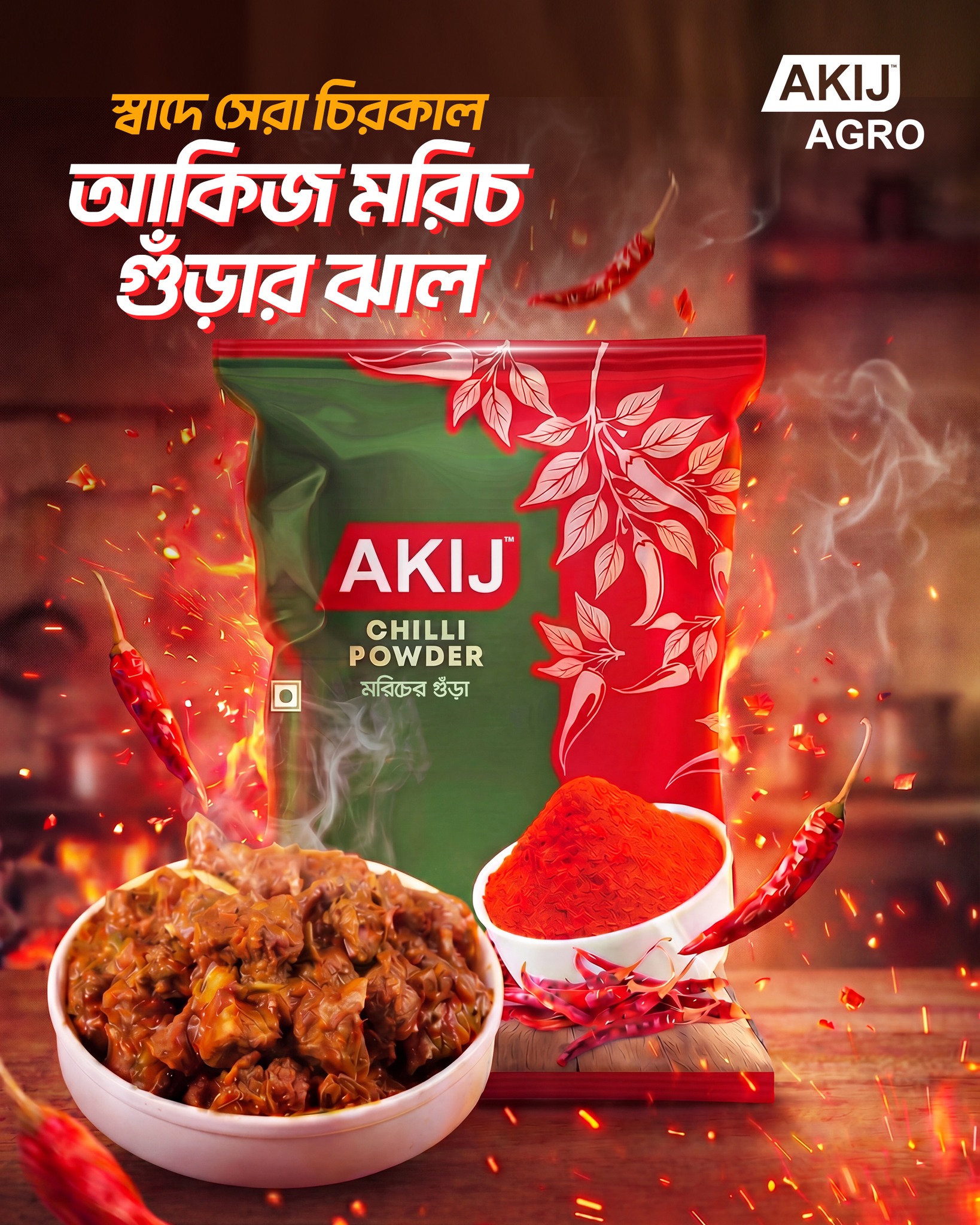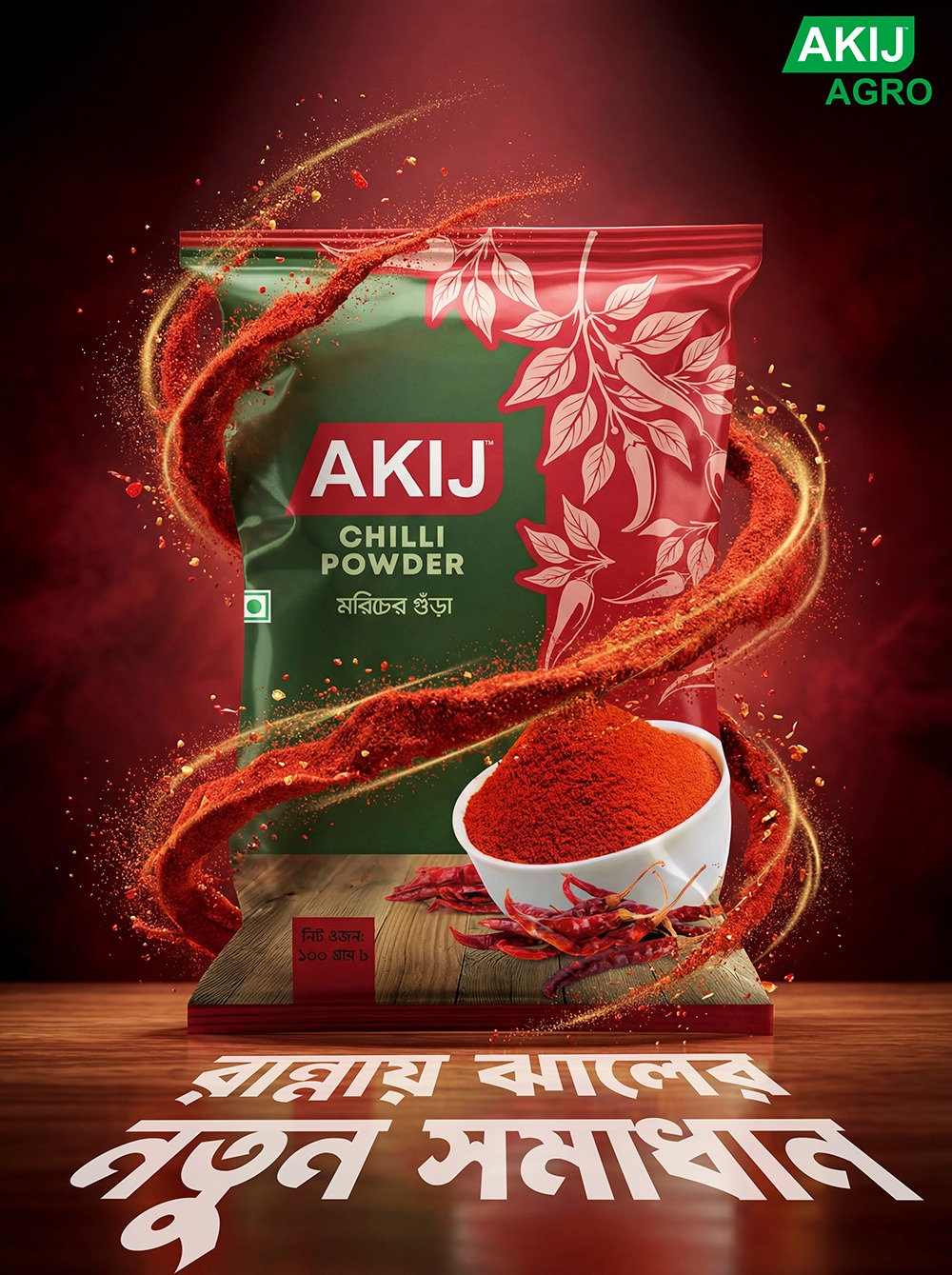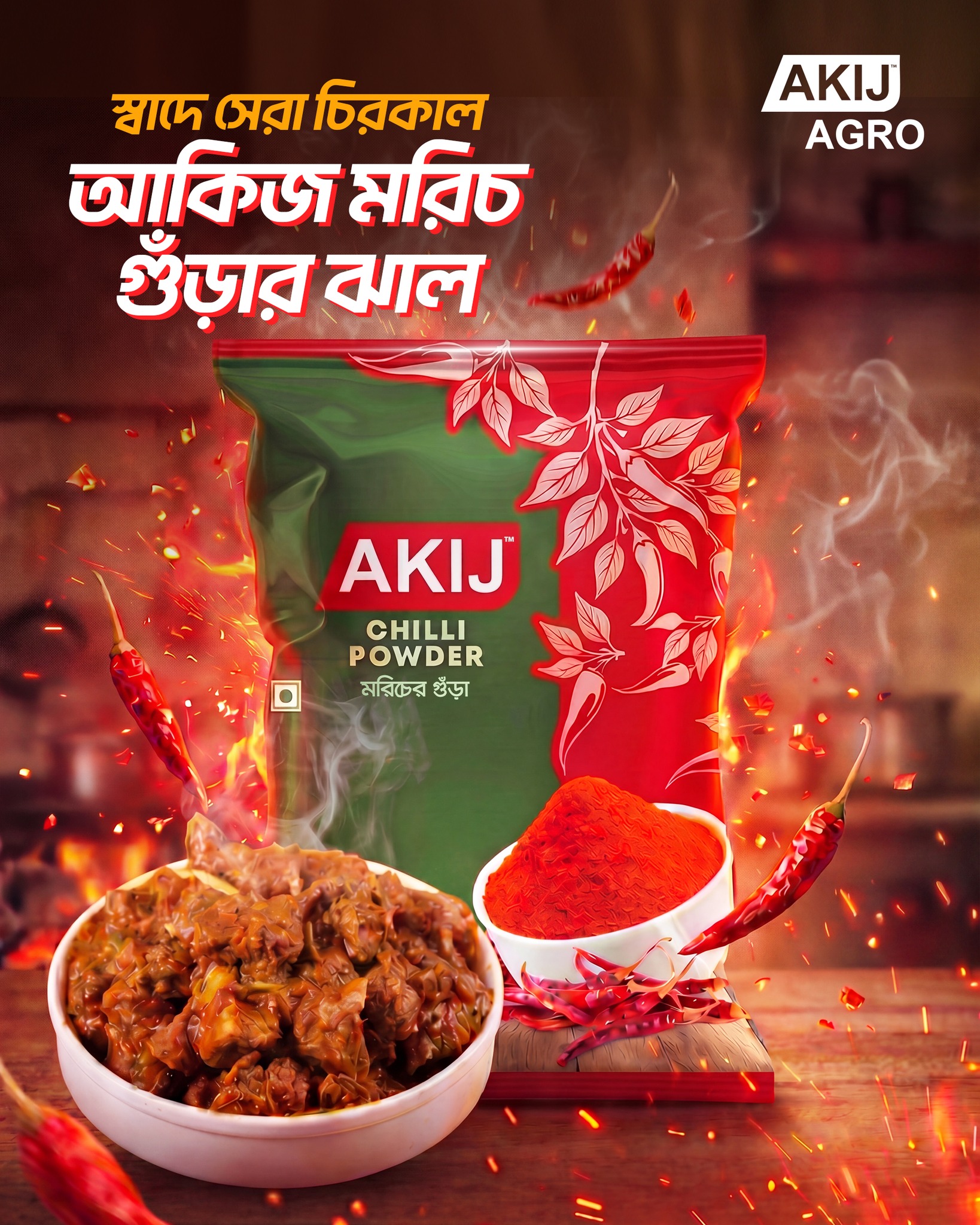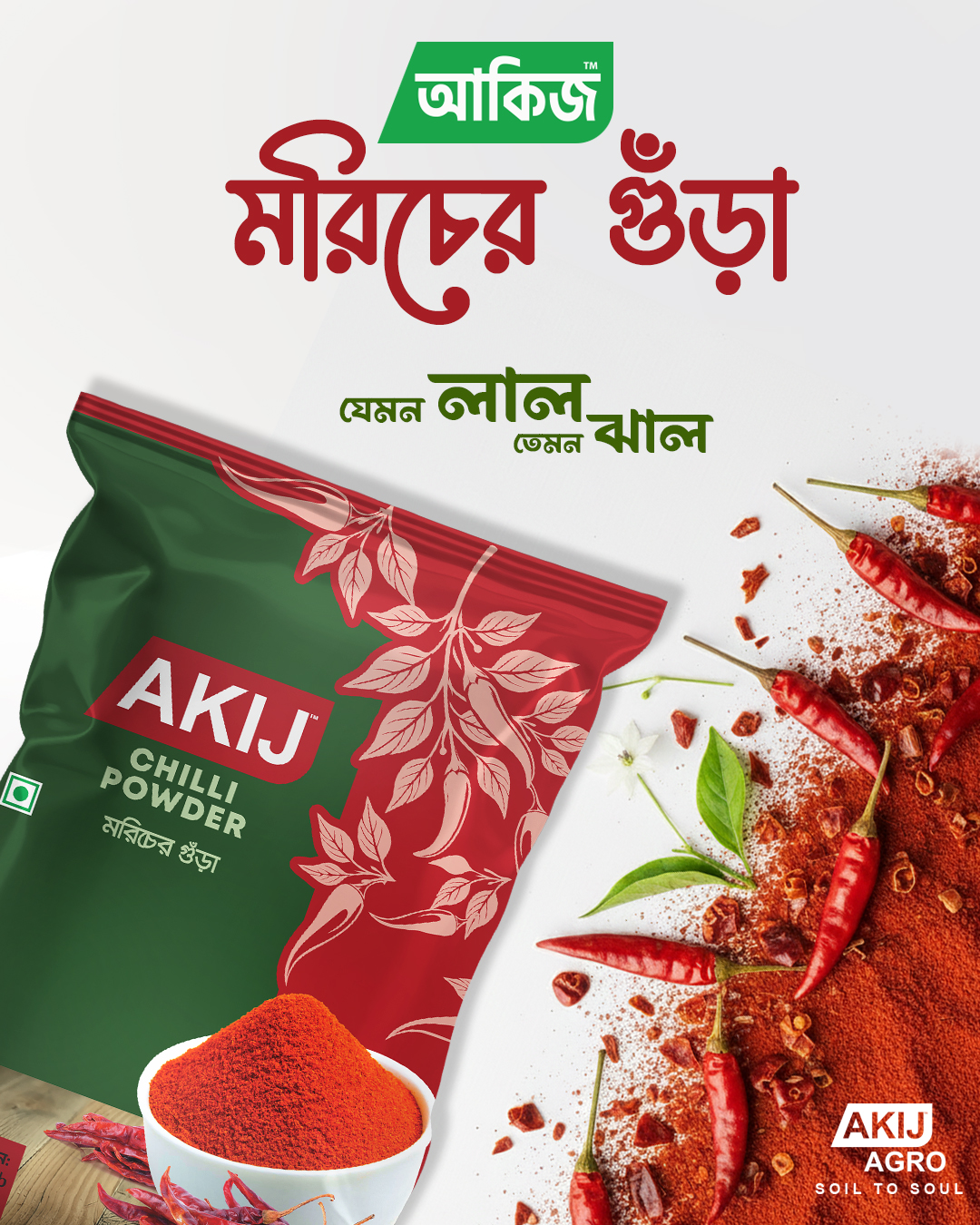

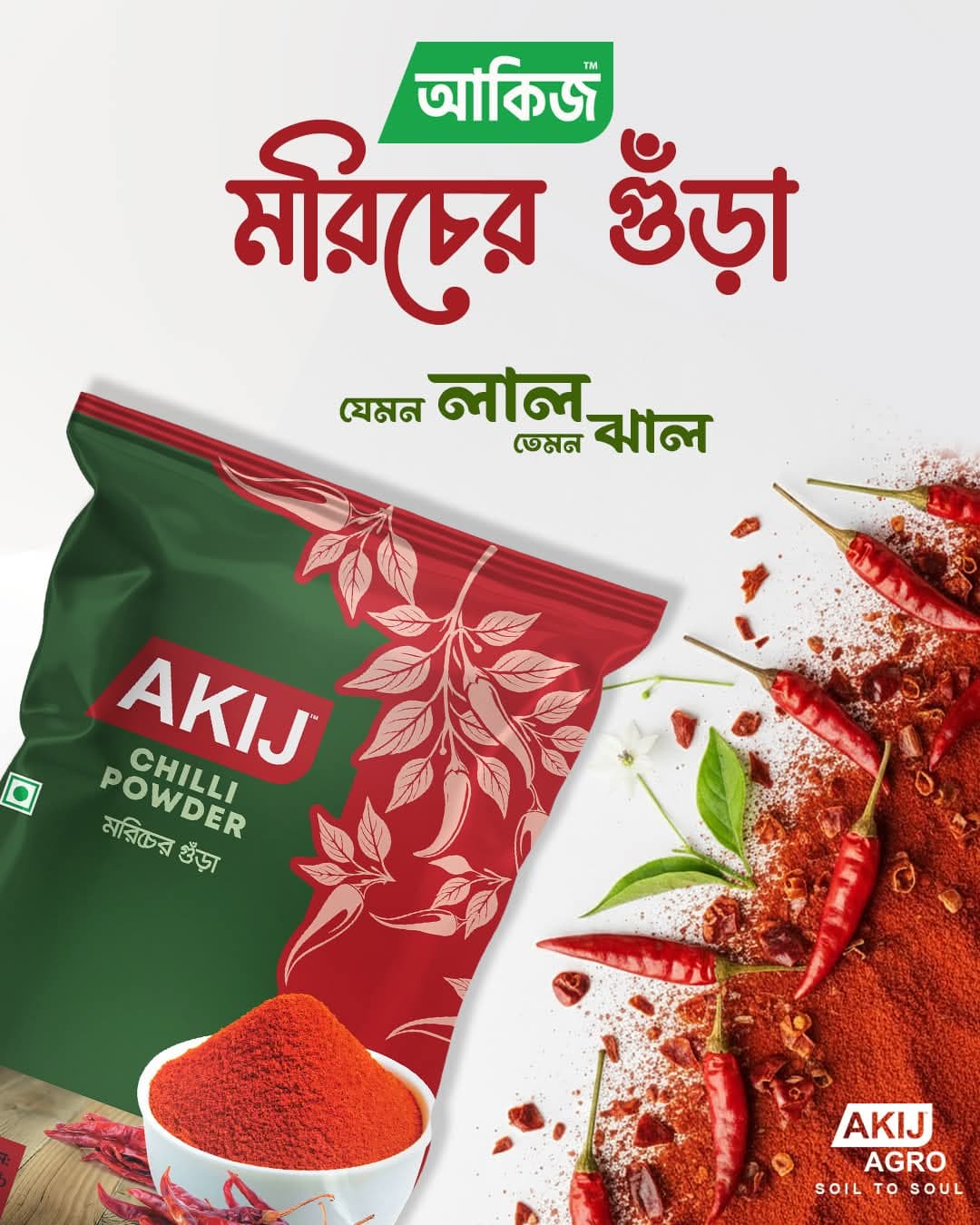
Akij Chilli Powder 200gm
200gm of pure chilli powder — the size where storing it properly starts to matter
Choose quantity
Similar type of products
Description :
Two hundred grams is the point where buying chilli powder stops being about price and starts being about storage. Below this, you'll finish the pack while it's still sharp whatever you do with it. At this size and above, how you keep it decides whether the saving is real. Akij chilli powder 200 gm is perfectly appropriate for a small-medium sized family for their monthly grocery shopping.
Where storage starts to matter
A level teaspoon of chilli powder weighs roughly 2.5 grams, so 200gm is around eighty teaspoons.
At one to two teaspoons for a curry serving four, that's forty to eighty dishes — somewhere between four months and most of a year for an ordinary household.
Which is the point. Ground chilli is at its best for roughly six months after opening and noticeably flatter after a year. A 200gm pack sits right on that boundary: stored well, you'll use it all while it's good. Stored badly — a folded packet at the back of a shelf above the stove — the last third will be doing very little.
How to decant a larger pack
The method matters more here than on the small sizes.
Split it between two containers. Keep a small jar in daily use beside the cooking, and the remainder sealed in a larger container somewhere cool and dark. Refill the small one as needed.
That single habit solves most of the problem. The jar you open daily is exposed to air, steam and light every time — but it only ever holds a few weeks' worth. The bulk sits sealed and untouched.
Use glass or steel, not plastic:
Plastic absorbs oils and odours over time, and a container that held chilli powder keeps the smell afterwards.
Keep both away from the stove:
The instinct is to store spices within reach of the pan, which is the worst place — heat and steam are two of the four things that degrade ground spice.
Never dip a wet spoon in:
Moisture causes clumping and eventually mould, and it only takes once.
How much to use
For a curry serving four: one to two teaspoons for a mild dish, two to three for a properly spiced one. Bangladeshi cooking generally sits at the higher end.
Add it gradually — you can always add more, and there's no taking it out. And taste after it's cooked rather than before, since raw chilli powder is harsh and dusty and changes considerably once it's been through oil and heat.
When to add chilli in cooking
Timing changes the result more than quantity does.
Early, in the oil with the onions and other spices, the powder releases its colour and its deeper, rounder heat into the base. This is what gives a gravy its colour.
Late, near the end, it stays sharper and sits on top rather than blending in — useful for adjusting heat without rebuilding the base.
Never on a dry, very hot pan alone. Chilli powder scorches within seconds, and burnt chilli turns acrid in a way that cannot be corrected. If the oil is smoking, take the pan off the heat before the powder goes in.
Why blooming spices in oil matters
Many of the flavour and colour compounds in ground spices are fat-soluble rather than water-soluble. Heating them briefly in oil — the tadka step — releases those compounds into the fat, which then carries them through the whole dish.
Stirring the same quantity straight into a watery gravy extracts considerably less. That's why a curry with the spices bloomed at the start tastes deeper than one where they went in later, with identical amounts of everything.
Twenty to thirty seconds in warm oil is enough.
How long it stays good
Roughly six months from opening for flavour, though it stays safe well beyond that. Ground spice fades rather than spoiling — and the hidden cost is that you compensate by using more, which eats into whatever the bulk price saved.
The test is smell. Fresh chilli powder smells sharp and distinctly of chilli when the container opens. If it smells of very little, it's done.
A sealed container that hasn't been opened keeps considerably longer than one in daily use, which is the whole argument for splitting a 200gm pack in two.
The rest of the range
Akij Agro covers chilli powder from 15gm to 1000gm, with turmeric in a comparable set and coriander, cumin and blended masalas alongside.
Most households settle on two sizes — a jar in daily use and a larger pack sealed away. At 200gm you can do both from one purchase.
Frequently Asked Questions
The 200gm is the last size where the per-kilo price moves meaningfully — about 8% below the 100gm. Beyond it the savings drop under 4%, so you're buying commitment rather than value.
Two places. The 15gm to 50gm step cuts about a quarter off the per-kilo price, and the 100gm to 200gm step takes off another 8%. Everything else saves under 4%.
Only if you cook with chilli daily and store it properly. The 1000gm is about 5% cheaper per kilo than the 200gm — which is wiped out entirely if the last third goes dull before you reach it.
A level teaspoon weighs about 2.5 grams, so 200gm is roughly eighty teaspoons — forty to eighty curries depending on how heavily you spice.
Four months to most of a year for an ordinary household, which sits right on the edge of the window where ground spice stays at its best.
Away from the stove, out of light, somewhere cool and dry. Air, light, heat and moisture all degrade ground spice, and a shelf above the cooker combines three of the four.
Moisture, almost always from a wet spoon. Light clumping that breaks up is fine; hard clumps or a musty smell mean it should go.
Light. The pigments that give chilli powder its red degrade on exposure, which is why a jar on a sunny shelf loses colour within weeks.
It's been burnt. Chilli scorches within seconds in hot oil and turns acrid in a way that can't be fixed. Take the pan off the heat before adding it if the oil is smoking.
Many flavour and colour compounds in ground spices are fat-soluble, so brief heating in oil releases them into the fat, which carries them through the dish. Stirring into a watery gravy extracts far less.