
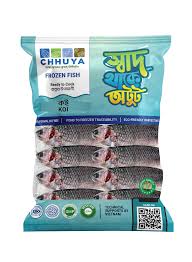
Chhuya Premium Koi 400gm
Chhuya Premium Koi 400 gm (Processed fish for easy cooking)
Choose quantity
Similar type of products
Description :
Frequently Asked Questions
This is the question worth resolving before you order, and the product page doesn't currently state it. Frozen fish from a packer of this kind is usually supplied cleaned and gutted, but whether the scales and fins have been removed varies by producer and by fish. Message Metromart Online support on WhatsApp or Messenger and ask directly — it takes a minute and it determines how much work waits for you in the kitchen.
Bangladeshi shoppers make a real distinction here — deshi koi is smaller, more strongly flavoured and commands a noticeably higher price, while the larger farmed varieties are milder and cheaper. At BDT 200 for 400g, this sits in the affordable end of the market, which points toward the farmed type rather than deshi. The page doesn't specify, so if the distinction matters to you, ask support before ordering.
That depends on the size the fish were graded at, and the page doesn't give a count. By weight, 400g is a reasonable amount for two to three people as the fish course alongside rice and dal. If koi is the centrepiece of a meal for a larger family, order two packs.
Across the Chhuya range, "Premium" appears on some SKUs and not others, which suggests it marks a size or grade tier rather than a different species or process. The page doesn't define it, so treat it as the producer's own grading language and ask support if you need specifics.
Properly frozen fish holds its nutrition and flavour well — freezing soon after harvest locks both in. Where frozen loses out is texture, slightly, and where it wins is consistency: you know what you're getting, it's cleaned, and it hasn't spent an unknown number of hours on melting ice. Bazaar-fresh koi bought early from a trusted seller is hard to beat. Frozen koi beats bazaar koi bought late in the day, which is the more common reality.
It comes down to farming and supply. Koi is farmed at scale and grows fast, so volumes are high and the price per kilo stays low — roughly BDT 500/kg for this pack. Shing, pabda and gulsha are harder to produce in comparable volume and carry more of a delicacy status, which is why they run anywhere from BDT 730 to over BDT 1,000 per kilo in the same range. Cheaper here reflects abundance, not lower quality.
Koi has a moderate bone structure — not as fine and troublesome as small fish like mola, but not as clean as a fillet either. There's a firm central bone and a set of manageable side bones. For younger children, it's worth deboning the pieces yourself before serving, or choosing a fillet product from the range instead.
Overnight in the refrigerator gives the best result, so plan a day ahead where you can. If you can't, submerge the sealed pack in cold water and change the water every 20–30 minutes. Avoid warm water and avoid leaving fish out on the counter — both let the surface warm into the range where bacteria multiply while the centre is still frozen.
No — refreeze thawed fish and you lose both texture and safety margin, and fish suffers from it more than most proteins. Thaw only the amount you intend to cook. If you've thawed too much, cook all of it and refrigerate the cooked portion for the next day.