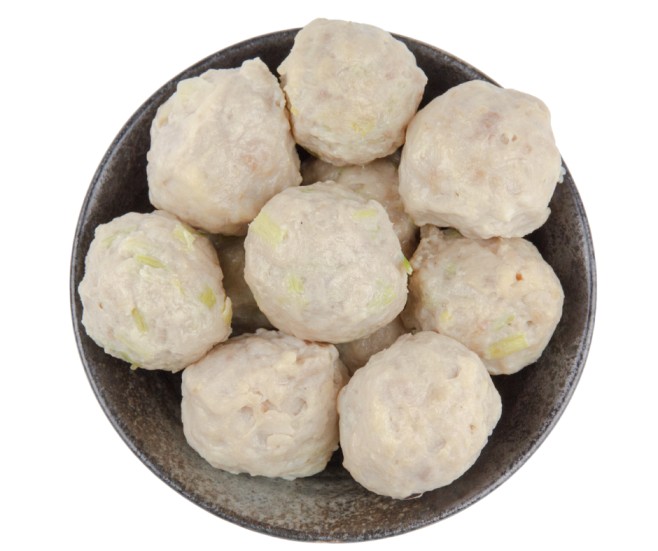
Processed organic chicken 250 gm meatball everyday easy cooking
Choose quantity
Testing salt is the common local name for monosodium glutamate, a flavour enhancer used widely across processed and packaged foods. It isn't there to add nutrition — it's there to make a product taste more savoury than its actual ingredients would allow. Plenty of shoppers now read labels specifically to avoid it, whether for taste preference, sodium reasons, or simple discomfort with additives they didn't ask for. Leaving it out means the seasoning has to work honestly, and the meat has to be good enough to carry the flavour on its own.
Chicken from the brand's own farms, prepared without chicken by-products. That distinction matters more than it might sound: a large share of the processed poultry market relies on trimmings and mechanically separated meat to keep costs down, and the label rarely makes that obvious. For the complete ingredient and seasoning breakdown, check the printed pack, which carries the full declaration.
Follow the instructions printed on the pack — that's the authority on this, and it will tell you whether you're reheating or cooking from raw. Either way, the safe rule is the same: cook until piping hot all the way to the centre before serving, and don't judge doneness by the outside colour alone.
Two reasons, and they're connected. The first is the raw material: whole chicken meat costs considerably more than the by-products that typically bulk out budget meatballs. The second is the farming behind it — zero antibiotics, free-range access, and a controlled in-house feed all raise the cost per bird well above conventional poultry. Cheaper meatballs aren't cheaper by accident; they're cheaper because of specific decisions this product doesn't make.
As the protein in a main meal alongside rice or noodles, a 250g pack comfortably covers two people, or three if it's part of a spread with other dishes. As a snack or appetiser it stretches further. For a family dinner where meatballs are the centrepiece, two packs is the safer order.
They suit tiffin boxes well — quick to prepare, easy to eat without cutlery, and a solid source of protein in a lunchbox. The absence of testing salt is often the reassuring part for parents who'd rather not send additives to school. Cook them fully in the morning, let them cool before packing, and for younger children cut them into smaller pieces to reduce choking risk.