Metromart Online light logo
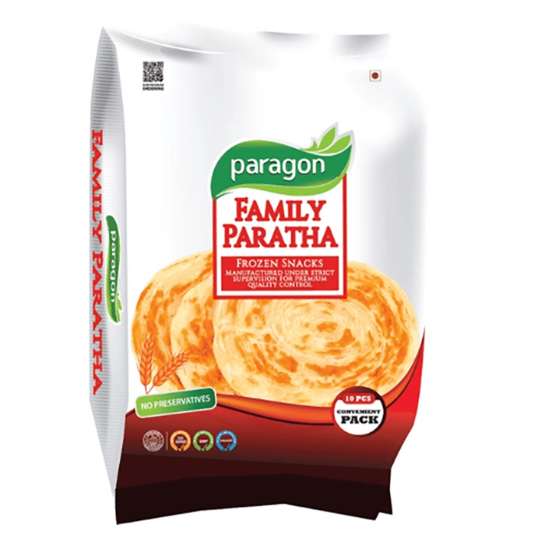
Paragon Paratha 650gm
Paragon

Paragon Paratha 650gm

Frozen paratha, ready when breakfast is. No rolling, no folding

SKU: 6371Weight: 0.65 kg
Price:BDT 180
Status: In Stock !!

Choose quantity

1
Total priceBDT 180

Similar type of products

Description :

A good paratha is judged on one thing: whether the layers come apart. Everything else — the crisp edge, the soft middle, the way it holds a curry without tearing — follows from that. Making them properly means rolling, oiling, folding, resting and rolling again. Paragon Paratha skips all of it. Ten pieces in the freezer, each one on the table in about three minutes. 𝐒𝐢𝐳𝐞 𝐚𝐧𝐝 𝐩𝐫𝐢𝐜𝐞 𝗦𝗶𝘇𝗲: 650gm, 10 pieces 𝐏𝐫𝐢𝐜𝐞: BDT 180 𝐓𝐲𝐩𝐞: Frozen layered paratha 𝐁𝐫𝐚𝐧𝐝: Paragon, made by Paragon Agro Ltd. 𝐒𝐊𝐔: 6371 𝐂𝐨𝐨𝐤𝐢𝐧𝐠 𝐭𝐡𝐞𝐦 From frozen, always. Thawed paratha goes limp, the layers stick together and it fries rather than puffs. Heat a tawa or flat pan over medium heat. Put the frozen paratha on, and after about a minute you'll see it start to lift in patches. Add a little oil or ghee around the edge, turn it, and give the second side a similar time. Two to three minutes total, until both sides are golden with darker blistered spots. 𝐓𝐰𝐨 𝐭𝐡𝐢𝐧𝐠𝐬 𝐩𝐞𝐨𝐩𝐥𝐞 𝐠𝐞𝐭 𝐰𝐫𝐨𝐧𝐠. Don't press it flat with a spatula. It's tempting — the paratha lifts unevenly and pressing seems to help. It doesn't; it compacts the layers you paid for and gives you a dense, chewy result. Don't use high heat. The outside browns before the inside has warmed through, so you end up with a paratha that looks cooked and is cold and doughy in the middle. 𝐎𝐩𝐞𝐧𝐢𝐧𝐠 𝐭𝐡𝐞 𝐥𝐚𝐲𝐞𝐫𝐬 This is the step that separates a good paratha from a flat one, and almost nobody writes it down. The moment it comes off the pan, while it's still too hot to hold comfortably, clap it between your palms two or three times — or gather it in a clean cloth and crush it gently. You'll feel it give, and the layers separate and fluff outward. Do it hot. Wait even a minute and the paratha sets, and no amount of clapping will open it after that. 𝐖𝐡𝐚𝐭 𝐭𝐨 𝐬𝐞𝐫𝐯𝐞 𝐰𝐢𝐭𝐡 𝐢𝐭 Breakfast is the obvious home: paratha with dal, a fried egg, and a vegetable bhaji. It's also what most households reach for alongside a beef or chicken curry, because a layered paratha soaks up gravy without going to pieces the way a thin roti can. Beyond that — roll one with egg and onion for a paratha roll, wrap leftover curry in it for lunch, or serve it with nothing but a little sugar for children who'd rather not have anything savoury first thing. 𝐇𝐨𝐰 𝐟𝐚𝐫 𝐚 𝐩𝐚𝐜𝐤 𝐠𝐨𝐞𝐬 Ten parathas is two or three family breakfasts, or a week of single servings. Most adults eat one or two alongside other dishes. 𝐒𝐭𝐨𝐫𝐚𝐠𝐞 Keep frozen at -𝟏𝟖°𝐂 𝐨𝐫 𝐛𝐞𝐥𝐨𝐰 — Paragon's standard instruction across their frozen range. Take out what you're cooking and reseal the pack straight away. Don't refreeze anything that has fully thawed. Check the date on the pack when it arrives. 𝐌𝐚𝐝𝐞 𝐭𝐨 𝐬𝐭𝐚𝐧𝐝𝐚𝐫𝐝 Paragon Agro Ltd. produce under 𝐈𝐒𝐎 𝟐𝟐𝟎𝟎𝟎, 𝐇𝐀𝐂𝐂𝐏 𝐚𝐧𝐝 𝐆𝐌𝐏 𝐜𝐞𝐫𝐭𝐢𝐟𝐢𝐜𝐚𝐭𝐢𝐨𝐧, and their products are 𝟏𝟎𝟎% 𝐡𝐚𝐥𝐚𝐥.

Frequently Asked Questions

Roti is plain flour, salt and water, cooked dry on a hot pan. Paratha is layered — the dough is rolled, oiled and folded before cooking, which is what creates the flakiness — and it's cooked with a little oil or ghee rather than dry. Paratha is richer and holds gravy better; roti is lighter and plainer. Most households keep both.

No, cook from frozen. Thawed paratha goes limp, the layers stick together, and it fries flat instead of separating.

A little, unlike roti. Put the frozen paratha on a dry medium-hot pan first, then add a small amount of oil or ghee around the edge once it starts to lift. Too much oil at the start and it fries rather than cooks through.

Clap it between your palms two or three times the moment it comes off the pan, while it's still almost too hot to handle. You can also gather it in a clean cloth and crush it gently. The layers give and fluff outward. Timing is everything — wait a minute and the paratha sets, and it won't open after that.

Usually one of three things. Pressing it with a spatula while cooking, which compacts the layers. Heat too high, so the outside browns before the middle warms through. Or cooking it from thawed rather than frozen. Medium heat, no pressing, straight from the freezer.

The pan was too hot. The surface colours in under a minute on high heat while the centre is still cold, and the darker it gets the more you assume it's done. Drop the heat and give it the full two to three minutes a side.

Dal and a fried egg for breakfast, or a beef or chicken curry for a main meal — a layered paratha holds gravy far better than a thin roti. It also rolls well with egg and onion for a paratha roll, and children who won't eat savoury first thing will usually take one with a little sugar.

One or two for an adult as part of a meal with curry or dal, one for a child. A ten-piece pack covers a family of four for two breakfasts.

This listing doesn't publish an ingredients list. Paratha contains fat as part of the layering, so the specifics matter to some buyers — check the printed pack for the full declaration and any allergen information, or ask Metromart support on WhatsApp (01805552413).

Yes. Paragon Agro Ltd. produce under ISO 22000, HACCP and GMP certification with 100% halal certification. The marks appear on the packaging.

No. Take out what you're cooking and reseal the pack straight away. Refrozen parathas stick together and tear when you separate them, which ruins the layers before they reach the pan.

Frozen at -18°C or below. Temperature swings do more damage than time — a freezer opened constantly, or a pack left on the counter while the pan heats.