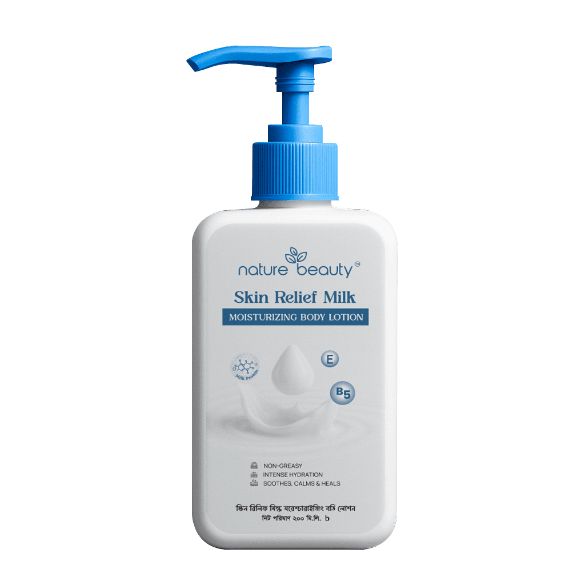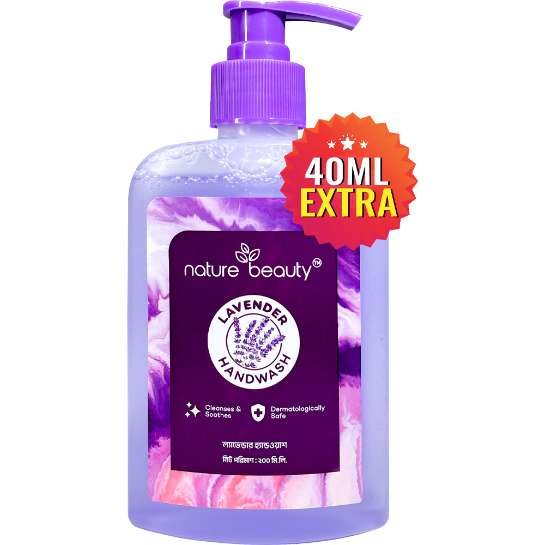
Nature Beauty Lavender Hand Wash 200ml
Lavender hand wash, 200ml. A pump by the basin, and hands that don't smell of soap
Choose quantity
Similar type of products
Description :
Hand wash is bought without thought and used more than almost anything else in the house. It sits by the basin, gets pressed a dozen times a day, and only gets noticed when the bottle runs out mid-lather.
This is the 200ml lavender, in a pump bottle sized for a bathroom basin rather than a busy kitchen sink.
What lavender adds:
Fragrance, mainly — and it's not a trivial consideration for something used this often.
Lavender is among the milder scents in the category. It doesn't linger on the hands the way citrus and floral-sweet fragrances can, which matters if you're cooking, eating, or handling anything where you'd rather not carry soap on your fingers afterwards.
It's also the scent most often chosen for a bathroom rather than a kitchen, where a sharper lemon usually suits better.
Liquid against a bar:
Both clean equally well. The practical differences are elsewhere.
Easy Use:
A liquid doesn't sit wet in a dish. A bar in a shared bathroom stays damp between uses, softens, and goes through faster than it should. That's the main reason households switch.
Easy Share:
A liquid is easier to share. In a bathroom used by several people or by guests, a pump is simply more pleasant than a communal bar.
Cost-effective:
A bar is cheaper per wash, and generates less packaging. For a single person's bathroom, it's the more economical choice by a clear margin.
So it's a convenience decision rather than a cleaning one. Neither is more hygienic in any meaningful sense, whatever the marketing on either side suggests.
How to wash hands properly:
The technique matters more than the product, and most people spend far less time on it than they think.
Twenty seconds: It is the established guidance — roughly the time it takes to hum a familiar tune twice through. Most people manage five or six.
Cover every surface: Palms, backs of hands, between the fingers, around the thumbs, under the nails and around the wrists. The backs of hands and the thumbs are the areas people most consistently miss.
Dry thoroughly: Damp hands pick up and transfer more than dry ones, so drying properly is part of the wash rather than an afterthought.
It's the mechanical action — the rubbing and the rinsing — that does most of the work. The soap loosens what's on your skin; the water carries it away.
Why frequent washing dries hands:
Washing repeatedly strips the natural oils from your skin along with everything else. In a household washing six or eight times a day, that shows up as tight, dry or cracked hands, particularly across the knuckles.
Three things help. Use warm rather than hot water — hot water strips more oil without cleaning better. Dry properly but gently, since rubbing roughened skin makes it worse. And moisturise, particularly at night, when there's time for it to absorb.
Cracked skin is worth taking seriously rather than tolerating — broken skin is harder to clean properly and more prone to infection. If it doesn't improve, that's worth a word with a doctor or pharmacist.
How long a 200ml bottle lasts:
Depends entirely on the household, and it's worth thinking about before buying the smallest size.
A pump dispenses somewhere around a millilitre per press, so a 200ml bottle gives roughly 150 to 200 washes. For one or two people that's a few weeks. For a family of four washing regularly, it's closer to a week or ten days.
Consequently, the 200ml suits a guest bathroom, a second basin or a single user. For a main bathroom or a kitchen sink in a busy house, a larger bottle makes more sense and costs less per wash.
Choosing a size:
Nature Beauty hand wash comes in several sizes and scents. Check the price per millilitre rather than the bottle price, because the ordering isn't always what you'd expect — a larger bottle isn't automatically better value in this range.
A quick division before adding to the cart takes a few seconds and is worth doing on anything you buy repeatedly.
Where to keep it:
By the basin is the obvious answer, but placement makes a difference to how much gets used.
Keep it within easy reach of the tap, so nobody has to move wet hands across a surface. Keep it off the edge of the basin, where it gets knocked into the sink and where the base sits in standing water. And in a kitchen, keep it away from the cooking area rather than beside the hob, where heat and splashes reach it.
How to store:
Somewhere cool and out of direct sunlight, with the pump closed if it has a lock. Heat and UV degrade fragrance over time, which is why a bottle left on a sunny windowsill smells weaker after a few weeks.
If the pump clogs — which happens when a bottle has sat unused — run the nozzle under warm water rather than forcing it, which can break the mechanism.