
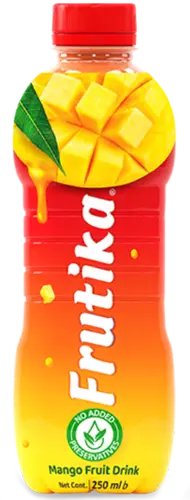
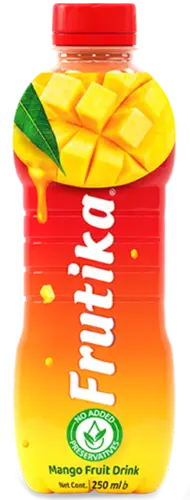
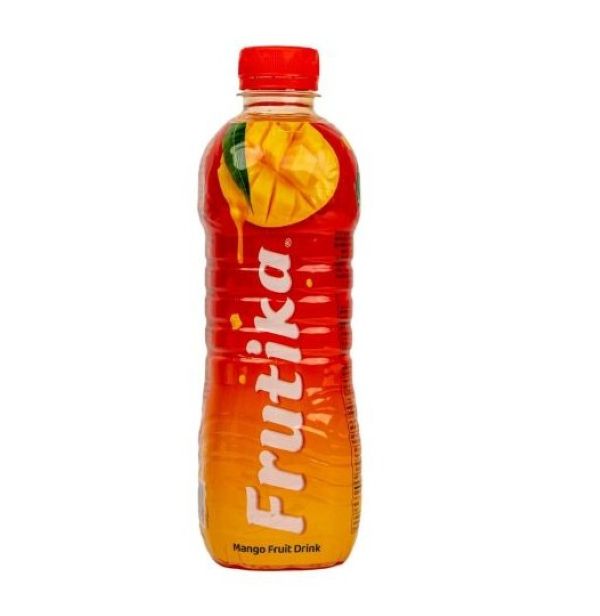
Frutika Mango Drink 180ml
Single-serve frutika mango drink, 180ml. Chill it and go.
Choose quantity
Similar type of products
Description :
Mango season lasts a few weeks. This is how the flavour lasts the rest of the year.
The 180ml pack is the everyday single serve — enough for one person, small enough to carry, and at BDT 20 cheap enough not to think about. Thick, sweet, properly mango. Drink it cold.
Size and price:
Size: 180ml
Price: BDT 20
Type: Mango fruit drink
Brand: Frutika, a product of Akij Food & Beverage
Where it sits in the range
Frutika Mango runs from a small 125ml pack at BDT 15 up to a litre at BDT 80. This 180ml sits at the practical end — bigger than the 125ml, cheaper than the 250ml, and still a single serving you finish in one go.
If you want a pack to carry, this or the 125ml. If you're buying for the fridge at home, the 500ml at BDT 50 or the litre at BDT 80 give you considerably more for your money.
Serving:
Cold, always. Mango drink served warm tastes heavier and sweeter than it should. Twenty minutes in the fridge is enough for a pack this size, or ten in ice water.
Poured over ice with a squeeze of lime it stretches into a longer drink and the acidity cuts the sweetness. Blended with a few spoons of plain yoghurt it makes a quick single-serve lassi.
Storage:
Unopened packs are shelf-stable — keep them somewhere cool and dry, out of direct sunlight. No fridge needed until you want to chill one. Check the printed date when they arrive.
A single-serve pack is meant to be finished, so there's nothing to store afterwards.
Ordering:
Choose your quantity, set a delivery location and pay at checkout. Single-serve packs suit bulk buying — message support for case rates on office and event orders.
Why 180ml exists at all:
It's an odd number, and there's a reason for it.
Carton sizes aren't arrived at by asking how much someone wants to drink. They're engineered backwards from a price point — a brand decides what a pack should cost, then works out the volume that supports it. That's how you end up with 125ml, 180ml, 200ml and 250ml all sitting on the same shelf doing broadly the same job.
The practical upshot is useful. Because the sizes exist to hit prices rather than to match thirst, the one that suits you is whichever you actually finish — not whichever looks most sensible. If you routinely leave the last third of a 250ml, the 180ml isn't a smaller compromise; it's the right size and the 250ml was the wrong one.
Why a warm mango drink tastes wrong:
Worth understanding, because it's not simply that cold is nicer.
Sweetness perception is temperature-dependent. The receptors responsible are least responsive when something is cold and most responsive as it approaches body temperature. The same drink therefore tastes measurably sweeter warm than chilled — nothing about it has changed except your ability to taste it.
For a mango drink, which is sweet by design, that's the difference between refreshing and cloying. A pack left in a bag through a Dhaka afternoon doesn't go off; it just tastes like too much.
So chilling isn't a nicety here, it's what the drink was formulated for. Twenty minutes in a fridge for a pack this size, or ten in ice water with a spoon of salt stirred in — salted water conducts heat away faster than plain.
The same principle explains why a squeeze of lime helps so much when you can't get it properly cold. Acidity cuts the perception of sweetness directly, which is why it rescues a drink that's gone warm.
The pack that travels:
A single-serve carton has three advantages over a bottle that nobody mentions until they've carried one.
No cap to lose or fail:
A partly-drunk bottle in a bag relies entirely on a cap being tightened properly. A finished carton doesn't.
It doesn't demand to be finished at once:
A 180ml pack with a straw gets drunk over ten minutes on a commute without anyone thinking about it. A 500ml bottle in the same situation usually ends up half-finished and warm.
Packs flat when empty:
Which matters more than it sounds if you're carrying it until you find a bin.
For a commute, a desk drawer or a bag that leaves the house every morning, this is the size that works out.
Making a proper mango lassi:
The live copy mentions this in a line. It's worth doing properly, because it turns a soft drink into something that stands as a light breakfast.
Roughly equal parts mango drink and plain yoghurt, with ice, blended rather than stirred. Stirring leaves it thin and separated; blending emulsifies it into something with body.
Add salt, not sugar:
The drink is already sweet, and a pinch of salt does what sugar can't — it sharpens the mango and stops the whole thing tasting flat. This is the step most people skip and the one that makes the difference.
A pinch of ground cardamom:
If you have it, added before blending. One 180ml pack makes a single generous glass. For more than one person, the 500ml or the litre gives you enough to work with.
Mango alongside spicy food:
Sweet drinks and chilli heat work together, and the reason is straightforward: sweetness buffers capsaicin in a way that water doesn't. Water spreads the heat around; something sweet and slightly thick coats and carries it away.
That's why mango lassi sits alongside spicy food across South Asian cooking rather than by accident, and it holds for a mango drink too.
Practically, this makes a 180ml pack a better companion to fried snacks, chotpoti, jhalmuri or anything chilli-heavy than a cola or a water would be. If you're eating something hot and want relief rather than a palate reset, sweet beats sharp.
The exception is a rich, oily meal without much heat, where the acidity of a citrus drink does more than sweetness would.
Reading the label:
Three figures are worth knowing on any fruit drink, and all three are on the pack rather than on this page.
Fruit content, declared as a percentage. It varies considerably between brands in this category, and it's the single biggest difference between products that look identical on a shelf.
Sugar, usually given per 100ml. Worth converting to per-pack if you're buying regularly — the per-100ml figure makes every size look the same.
The date, which matters more on fruit drinks than on carbonated ones. Carbonated drinks lose fizz; fruit drinks spoil.
Frequently Asked Questions
180ml at BDT 20. That's one serving, or a little more poured over ice.
The 125ml is BDT 15 and the 250ml is BDT 26, so this sits between them. All three are single serves — pick on how much you actually drink. If you regularly finish a 250ml, buy that; if a 250ml is more than you want, this or the 125ml suits better.
The 1 litre at BDT 80, working out around BDT 80 a litre against roughly BDT 111 for this pack. Small formats always cost more per millilitre; you're paying for the single serve and the portability rather than the drink.
Not published. On labelling convention a juice is typically 100% fruit while a drink contains fruit pulp with water and sugar, with the percentage declared on the pack. This is sold as a drink, so read the printed label, or ask Metromart support on WhatsApp (01805552413).
Not published on the page. The printed pack carries the figure, and it's worth reading if this is a regular purchase rather than an occasional one — fruit drinks can hold as much sugar as a fizzy drink.
A single-serve lassi — blend the pack with two or three spoons of plain yoghurt and ice, with a pinch of salt rather than more sugar. For anything larger, the 500ml or the litre give you enough to work with.
Set a higher quantity at checkout, or message support on WhatsApp (01805552413) or Messenger for case rates. Single-serve packs are the easiest format to buy in bulk for offices and events.
.webp)
.webp)