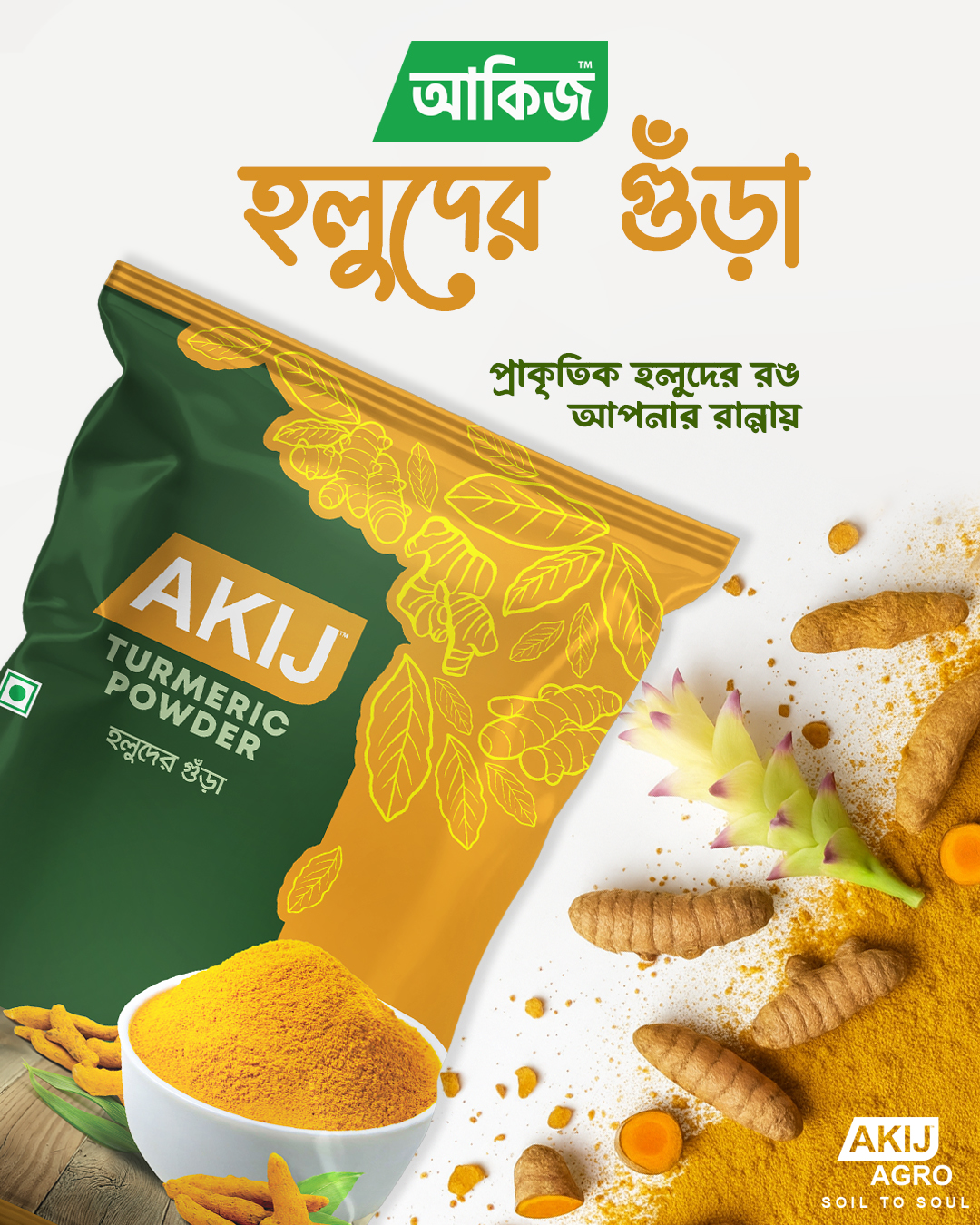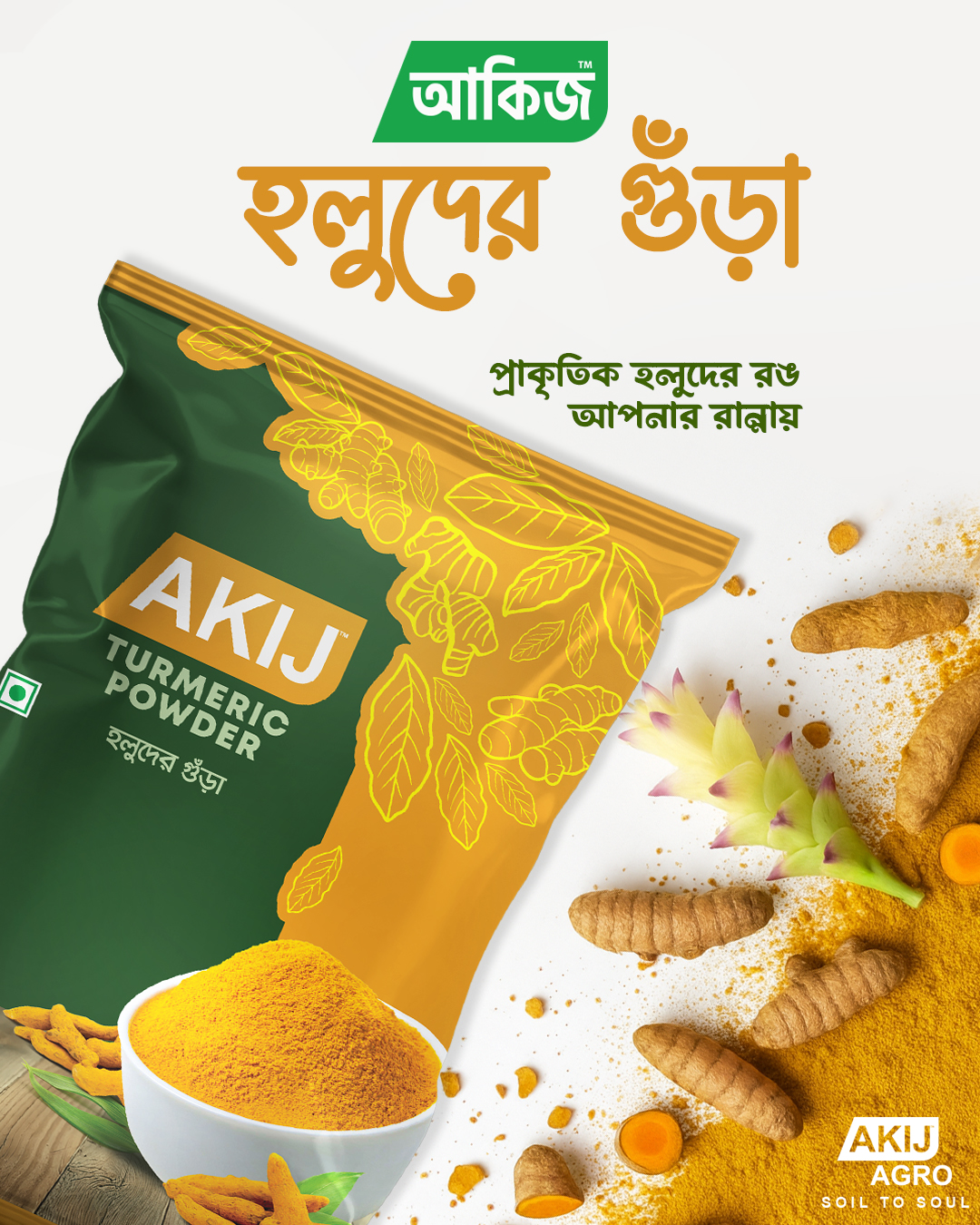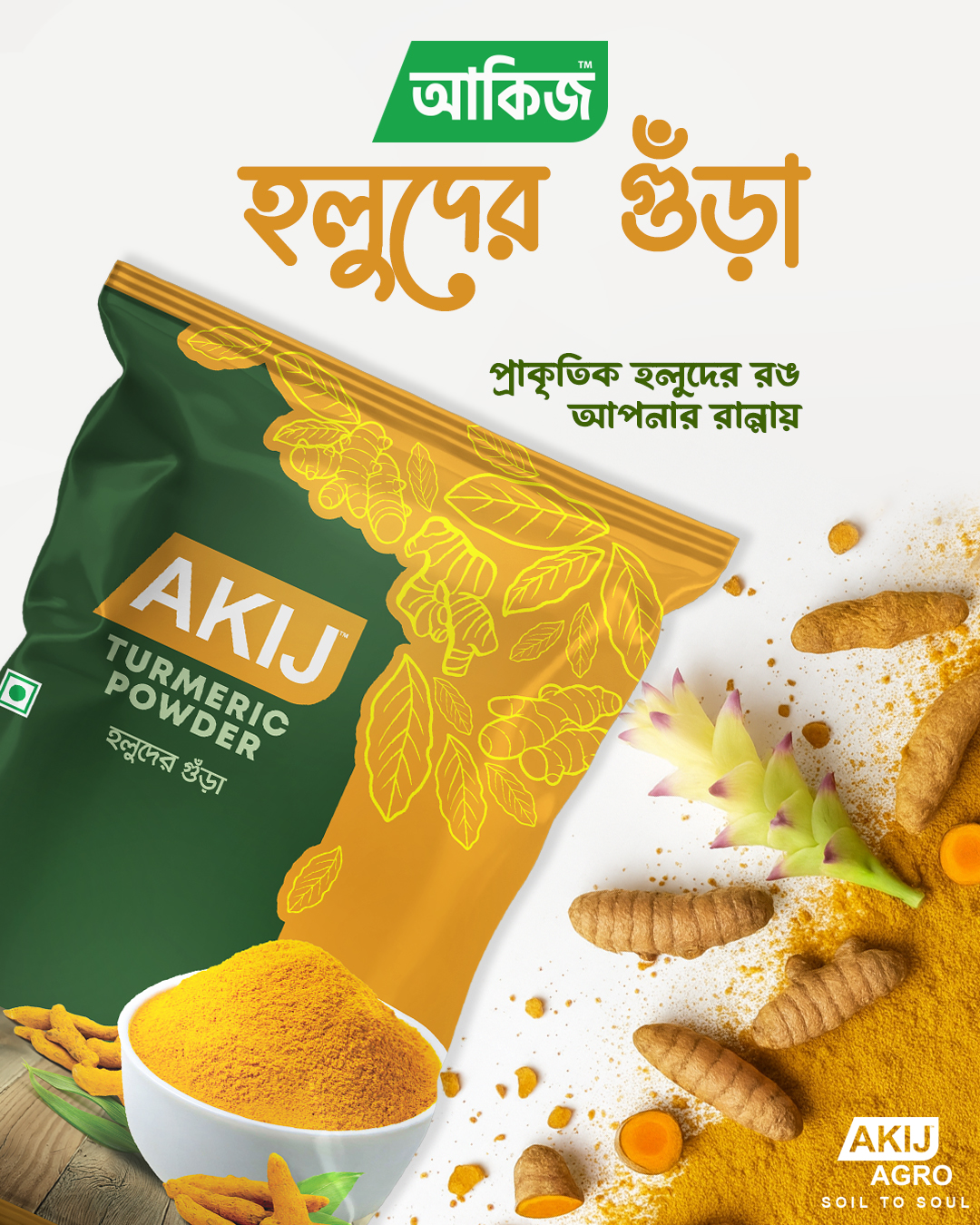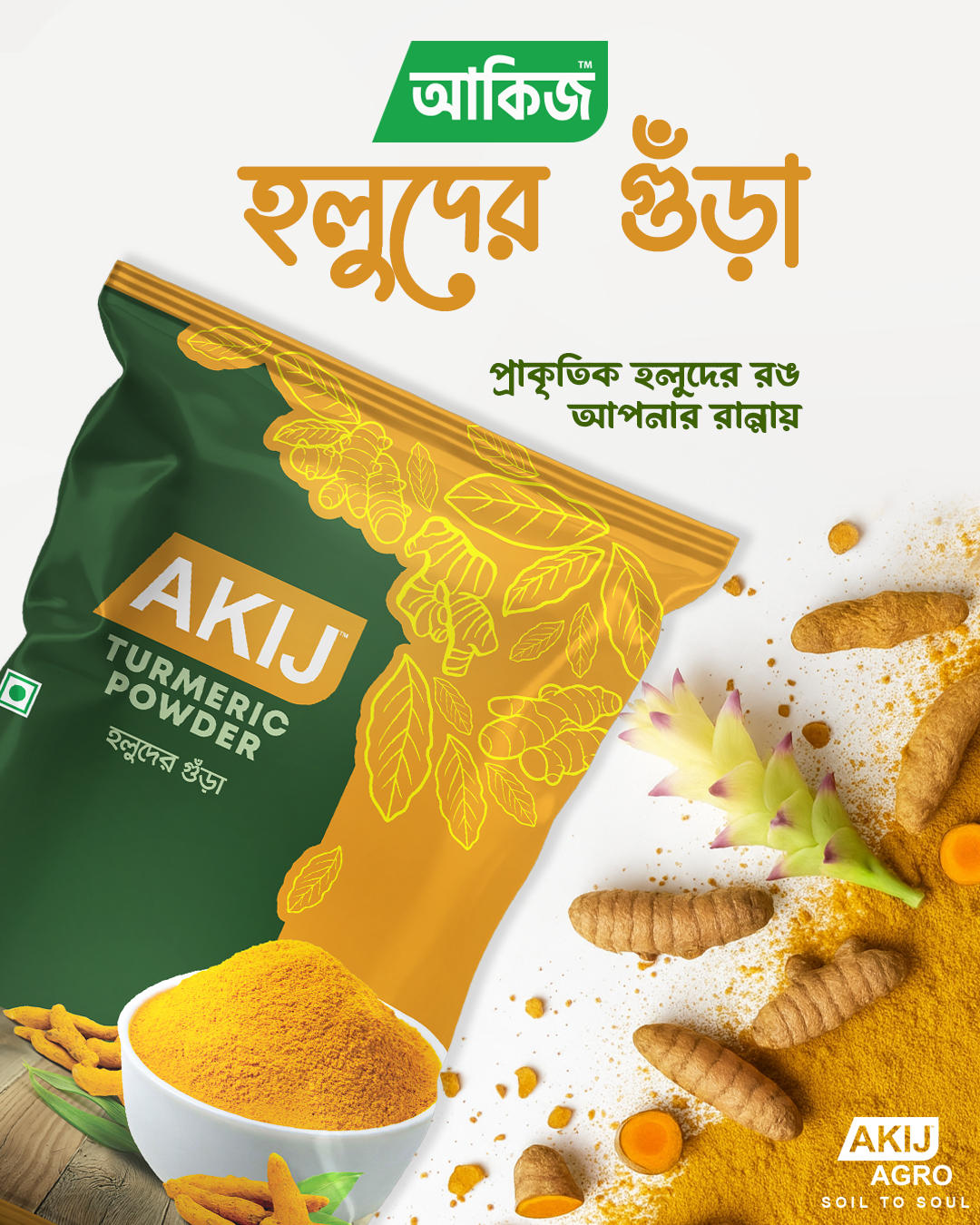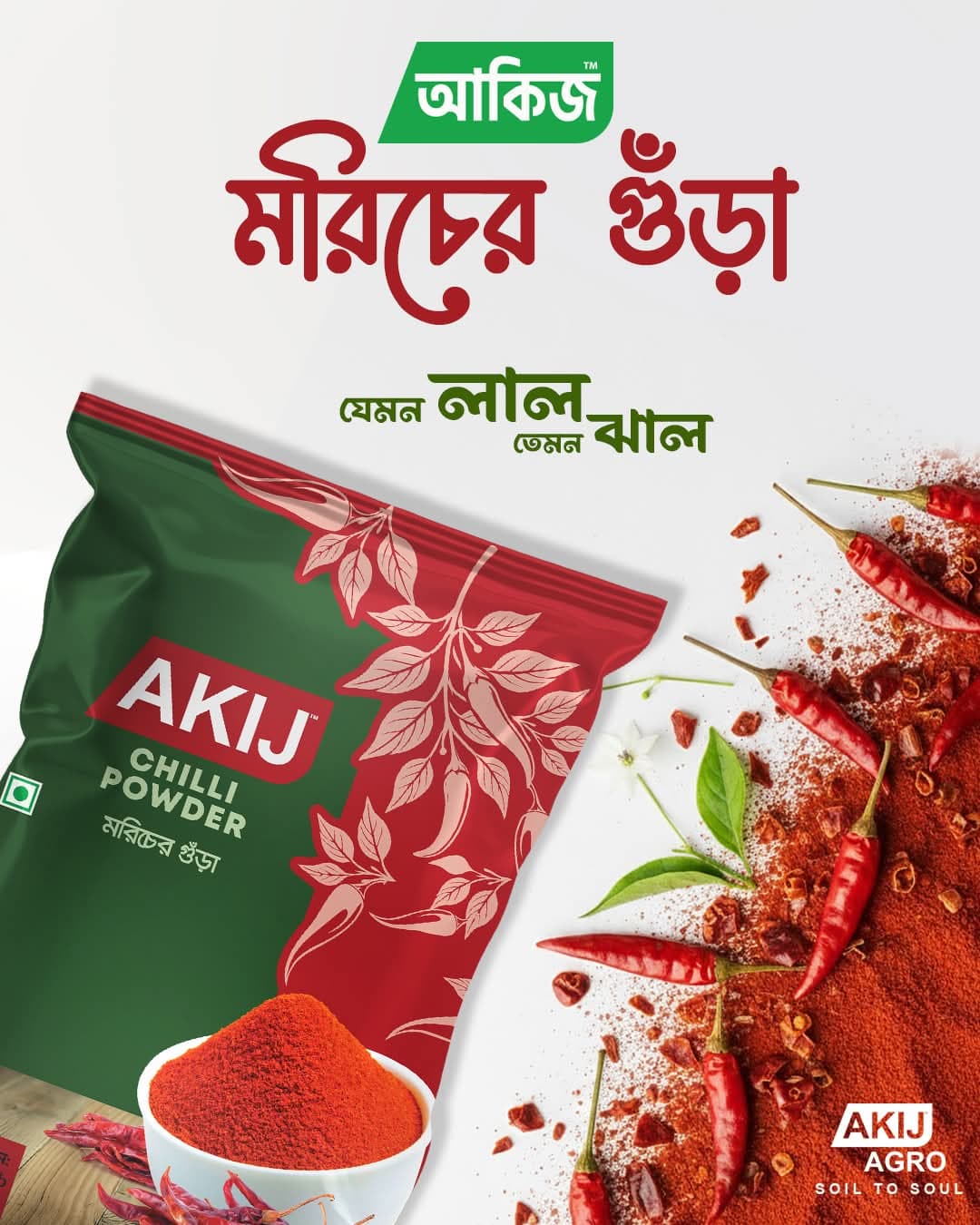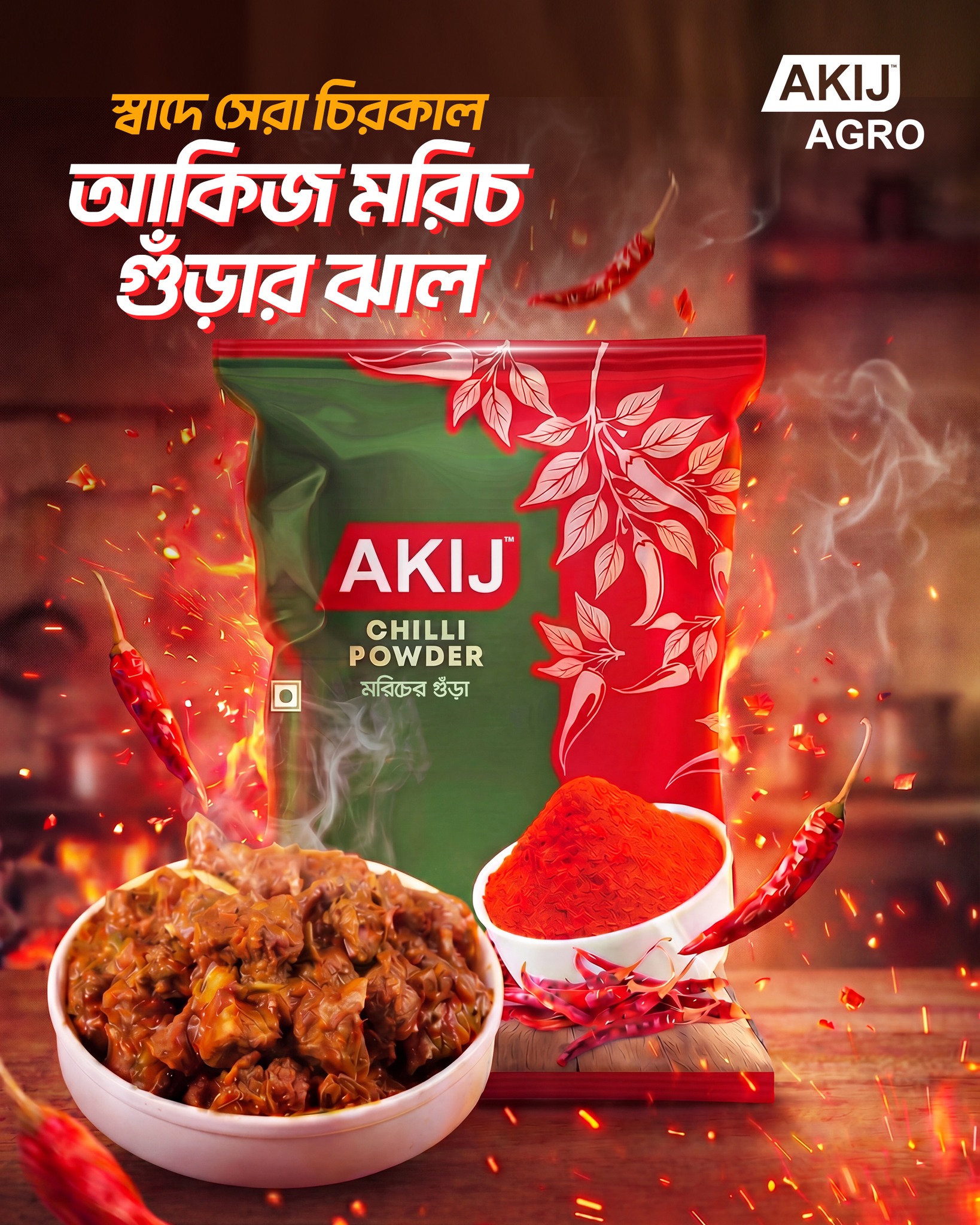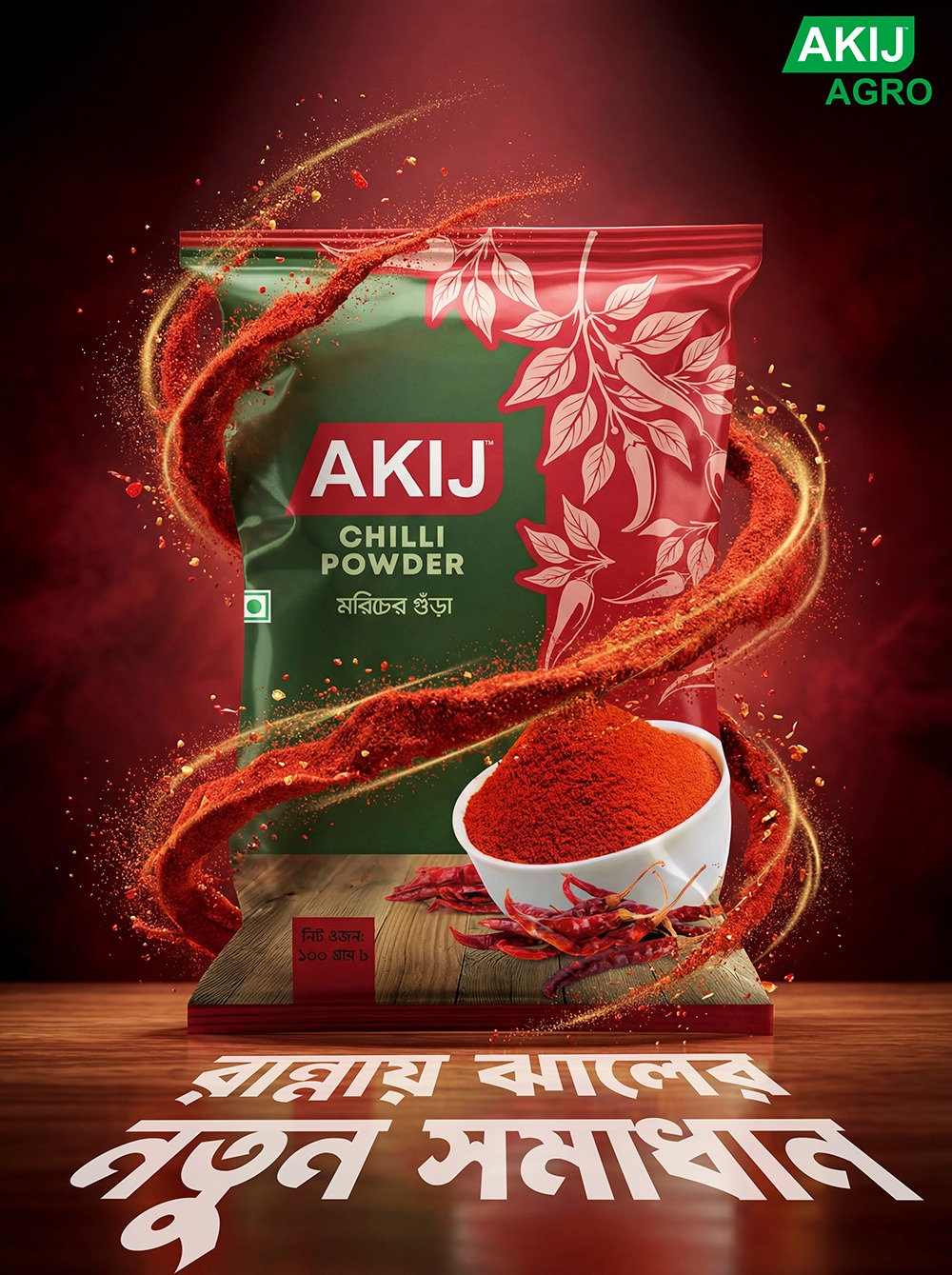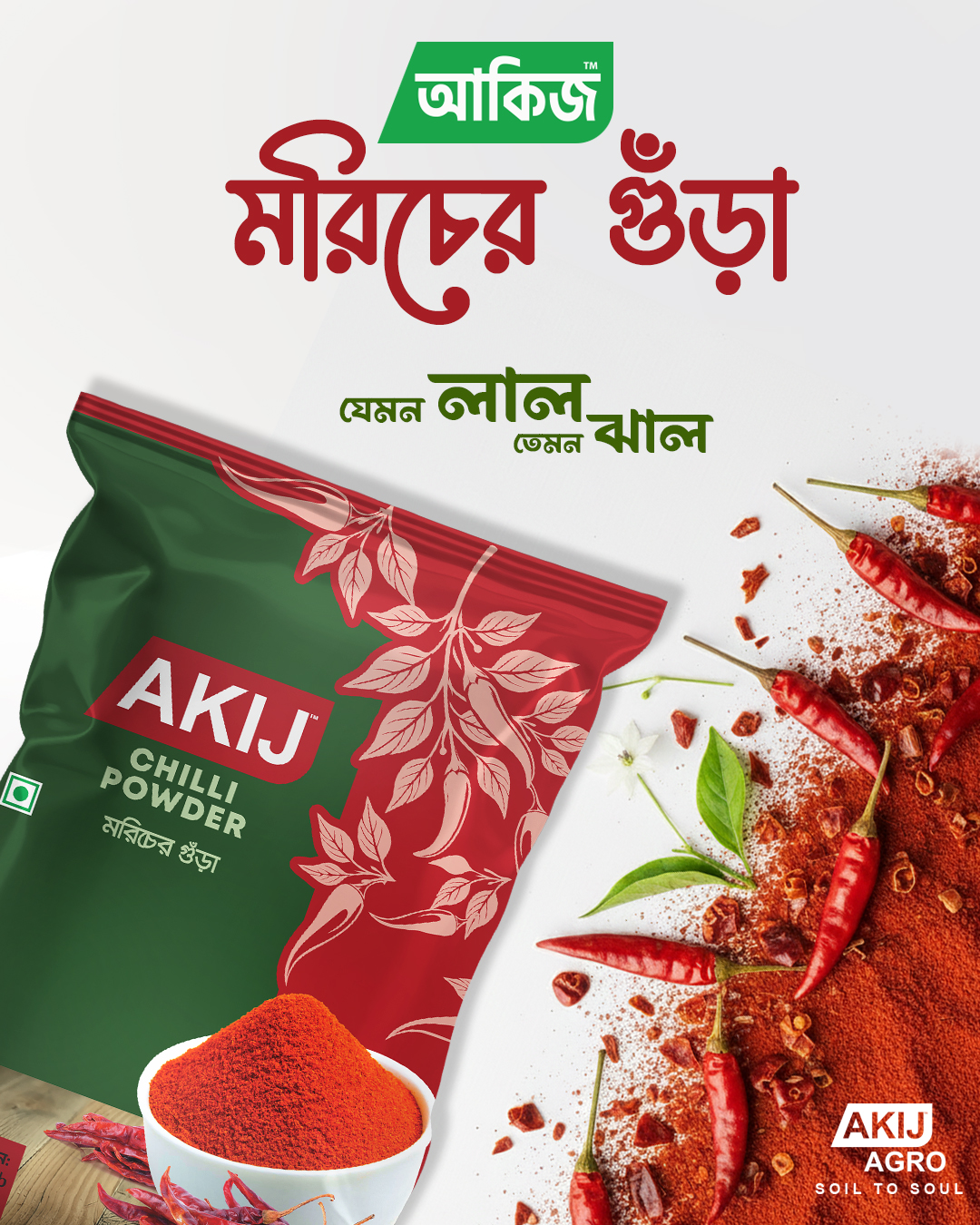

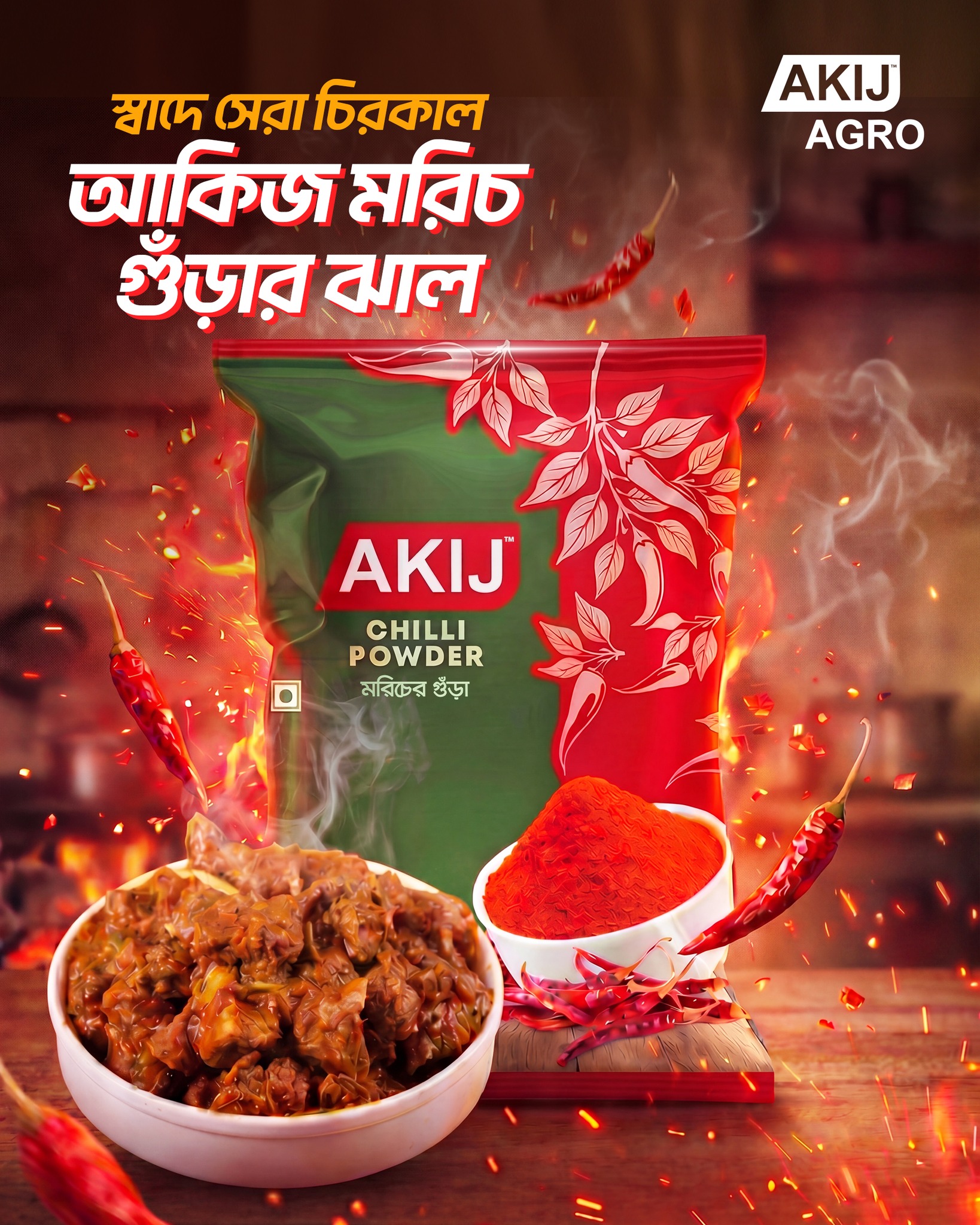
Akij Chilli Powder 500gm
Half a kilo of chilli powder — sealed, sourced and graded, for households that cook with it daily.
Choose quantity
Similar type of products
Description :
Chilli powder is the spice most Bangladeshi kitchens get through fastest, and the one most people give least thought to. It goes into nearly everything, a kilo disappears over a few months, and it's usually bought on price rather than on anything else.
Which is exactly why the 500gm pack is worth a look — it costs about a third less per kilo than the small packs, and it's the size that matches how much a household actually uses.
Why sealed and branded matters more for spices than for most foods:
This is the honest case for buying packaged spice rather than loose, and it's worth making plainly.
Ground spices are among the easiest foods to adulterate, because once something is a fine red powder it's difficult to tell by eye what's in it. Bulking agents and unauthorised colourings have both been recurring concerns across South Asia, and loose spice sold by weight from an open sack offers no traceability at all.
A sealed pack from a named manufacturer gives you three things a loose purchase doesn't: a batch code, a date, and a company answerable for what's inside. Akij Agro produces this under its own brand, which means there's a supply chain behind it rather than an anonymous supplier.
That doesn't make loose spice bad — plenty of people buy from a trusted shop and have done for years. But for something a household consumes daily and in quantity, sealed and traceable is the lower-risk choice, and the price difference is smaller than most people assume.
What it costs per kilo:
Akij chilli powder comes in five sizes, and the per-kilo spread is substantial:
- 15gm — about BDT 1,000 a kilo
- 50gm — about BDT 740 a kilo
- 100gm — about BDT 720 a kilo
- 200gm — about BDT 665 a kilo
500gm — about BDT 656 a kilo
So the 500gm pack costs roughly a third less per kilo than the 15gm sachet, and around a tenth less than the 100gm.
Unlike some categories, this is a properly constructed price ladder — each step up genuinely saves money rather than simply offering more of the same at the same rate. If chilli powder is something you use daily, the large pack is the sensible buy.
The one caveat is storage, which is where the next section comes in. A 500gm pack that sits open for eight months in a humid kitchen loses more value in lost potency than the bulk discount saved.
How much to use:
More variable than any other spice, because heat tolerance differs enormously between households and between dishes.
As a rough starting point for a curry serving four: one to two teaspoons for a mild dish, two to three for a properly spiced one. Bangladeshi cooking generally sits at the higher end of that.
Two practical points. Add it gradually, since you can always add more and you can't take it out. And taste after it has cooked, not before — raw chilli powder tastes harsh and dusty, and it changes considerably once it's been through oil and heat.
When to add chilli in cooking:
Timing changes the result more than quantity does.
Early, in the oil with the onions and other spices, chilli powder releases its colour and its deeper, rounder heat into the dish. This is the standard approach for a curry base, and it's what gives a gravy its colour.
Late, near the end, it stays sharper and more forward, sitting on top of the dish rather than blending into it. Useful for adjusting heat at the end without rebuilding the base.
Never on a dry, very hot pan alone. Chilli powder burns quickly, and burnt chilli turns bitter and acrid in a way that can't be corrected. If the oil is smoking, take the pan off the heat before the powder goes in.
Blooming spices in oil
Worth understanding, because it's the single technique that improves most home cooking here.
Many of the flavour and colour compounds in ground spices are fat-soluble rather than water-soluble. Heating them briefly in oil — the tadka or phoron step — releases those compounds into the fat, which then carries them through the whole dish.
Adding the same spice directly to a watery gravy extracts far less. That's why a curry with the spices bloomed at the start tastes deeper than one where they were stirred in later, even with identical quantities.
Twenty to thirty seconds in warm oil is enough. Longer and you're into burning territory.
Storing ground spices properly
Ground spices lose potency far faster than whole ones, and four things accelerate it: air, light, heat and moisture.
Transfer to an airtight container, glass or steel rather than the pack it came in. A folded packet with a clip lets air in every time it's opened.
Keep it dark. Light degrades the colour compounds that give chilli powder its red, which is why a jar on a sunny shelf fades within weeks.
Keep it away from the stove. The instinct is to store spices within arm's reach of the cooking, which is the worst place — heat and steam both shorten their life considerably.
Never dip a wet spoon into the container. Moisture is what causes clumping and, eventually, mould. Use a dry spoon, every time.
For a 500gm pack, decanting into two containers makes sense — one small jar in use, the rest sealed and stored away. That way you're opening a small container daily rather than the whole half-kilo.
How long ground chilli keeps
Go by the date on the pack for safety, but for flavour the useful window is shorter.
Ground spices are at their best within roughly six months of opening, and noticeably flatter after a year. They don't become unsafe — they become dull, and you end up using more to get the same result.
The test is smell. Fresh chilli powder smells sharp and distinctly of chilli when you open the container. If it smells of very little, it's past its useful life regardless of the printed date.
The rest of the range
Akij Agro covers chilli powder in 15gm, 50gm, 100gm, 200gm and 500gm, with turmeric in a comparable set including a 1000gm pack.
The small sachets have a genuine use beyond price — they suit a first purchase, travel, or a kitchen that uses chilli rarely enough that a large pack would go stale before it was finished.
Frequently Asked Questions
A sealed pack from a named manufacturer gives you a batch code, a date and a company answerable for the contents. Ground spices are difficult to assess by eye, and loose spice sold by weight offers no traceability. The price gap is smaller than most people assume.
The 500gm if you cook with chilli daily — it costs about a third less per kilo than the 15gm sachet. The smaller packs suit occasional use, travel, or trying the brand, and they avoid the risk of a large pack going stale.
Yes, and properly so. The range runs from around BDT 1,000 a kilo at 15gm down to about BDT 656 at 500gm. Each step up saves money rather than simply offering more at the same rate.
Depends heavily on how you cook, but a family using one to two teaspoons daily gets through roughly 50 to 100gm a month — so a 500gm pack is somewhere between five months and most of a year. Worth weighing against how well you can store it.
Different spices entirely — chilli for heat and red colour, turmeric for its earthy flavour and yellow colour. Most Bangladeshi cooking uses both, and both are stocked in the same size range.
It's been burnt. Chilli powder scorches quickly in hot oil and burnt chilli turns acrid in a way that can't be corrected. Take the pan off the heat before adding it if the oil is smoking, and keep the bloom to twenty or thirty seconds.
Many of the flavour and colour compounds in ground spices are fat-soluble, so heating them briefly in oil releases them into the fat, which then carries them through the dish. Adding the same spice to a watery gravy extracts far less, which is why the tadka step makes such a difference.